Introduction
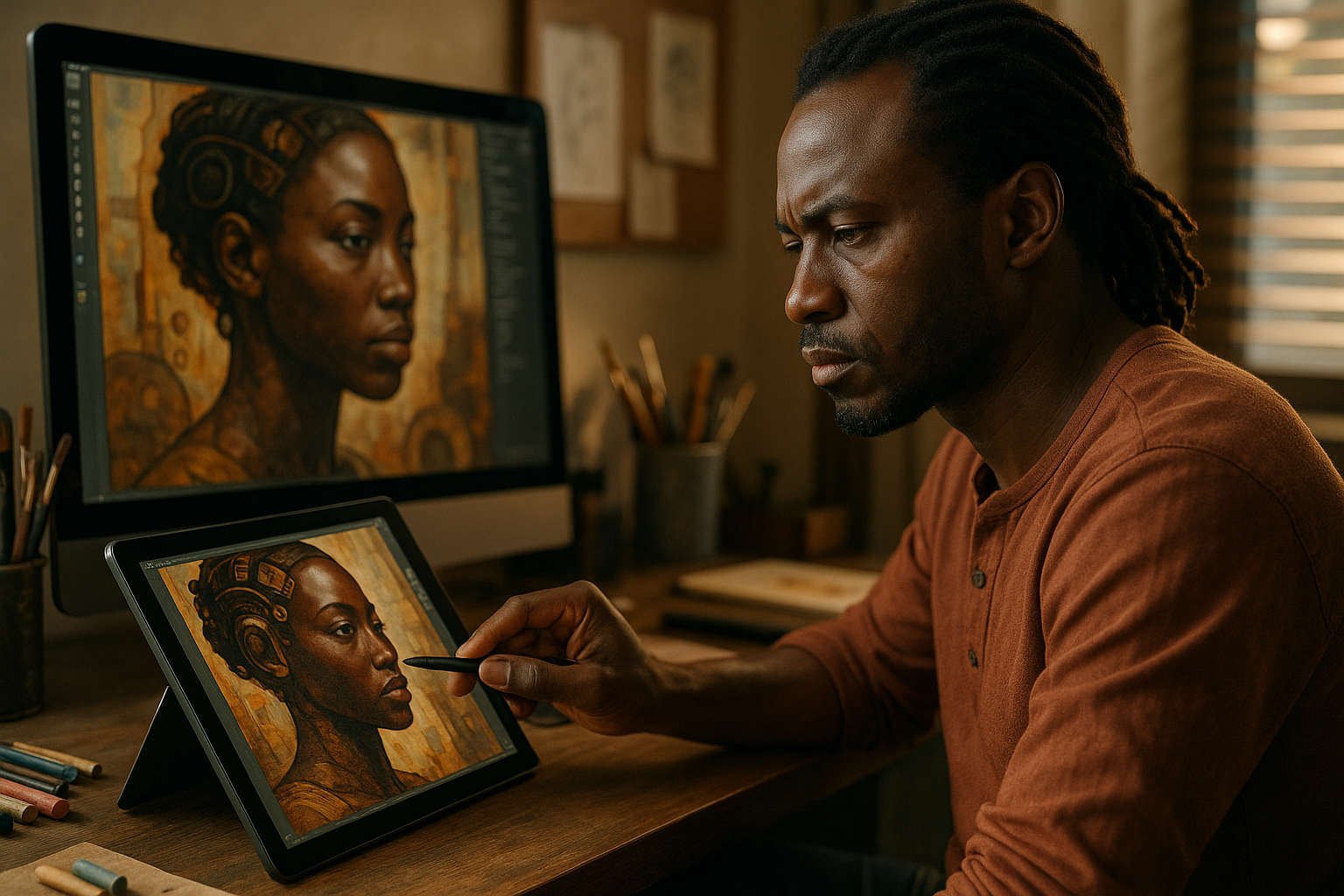
Artificial intelligence is no longer just a tool for analytics or automation — it’s now a creator. AI-generated art, music, and literature are becoming increasingly sophisticated, blurring the lines between human and machine creativity. But this raises urgent ethical questions: who owns AI-generated work, and what responsibilities do creators, developers, and users have? In this post, we’ll explore the evolving landscape of AI art, the legal and ethical challenges, and what the future might hold for machine-generated creativity.
1. The Rise of AI in Creative Spaces
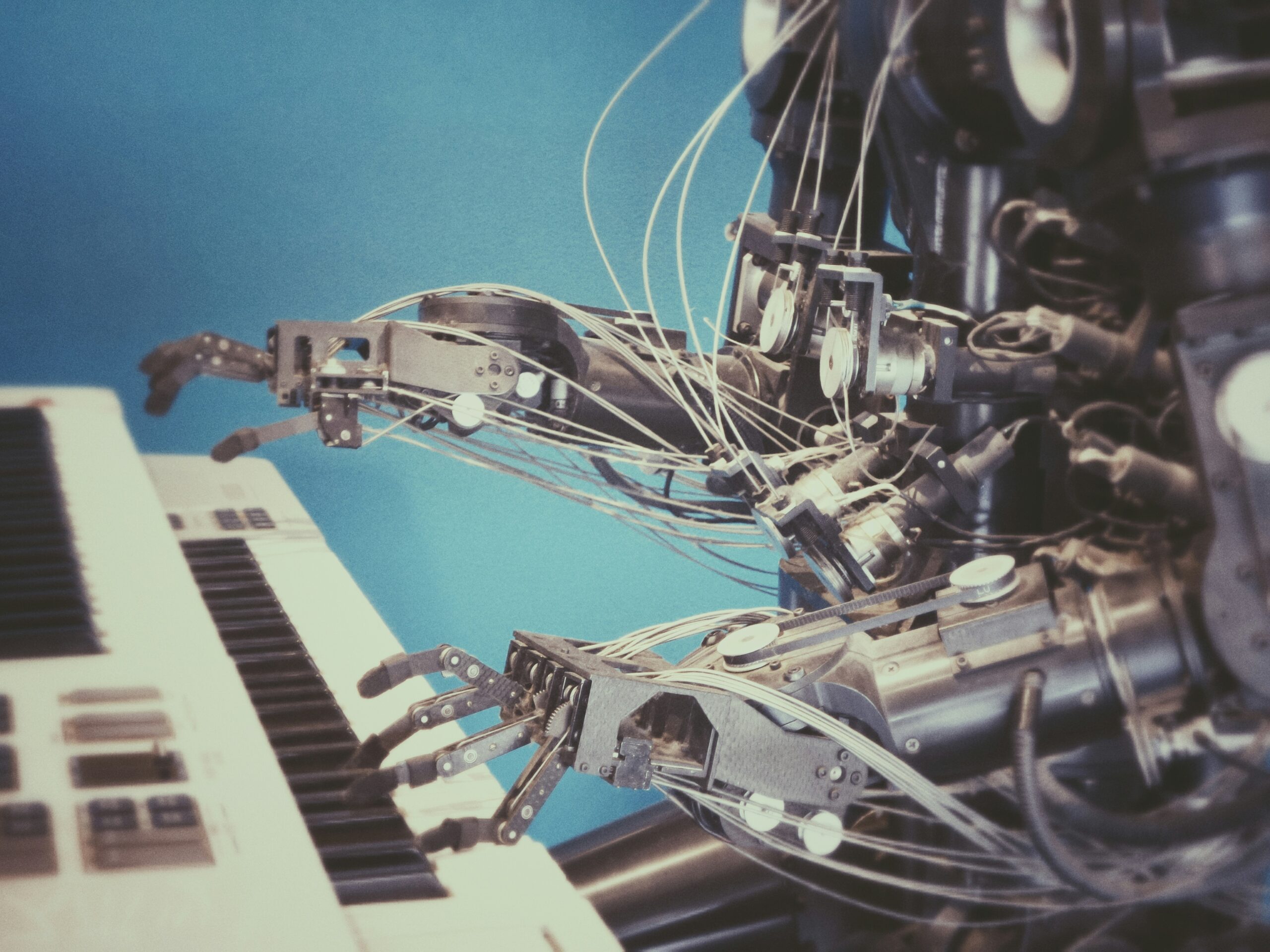
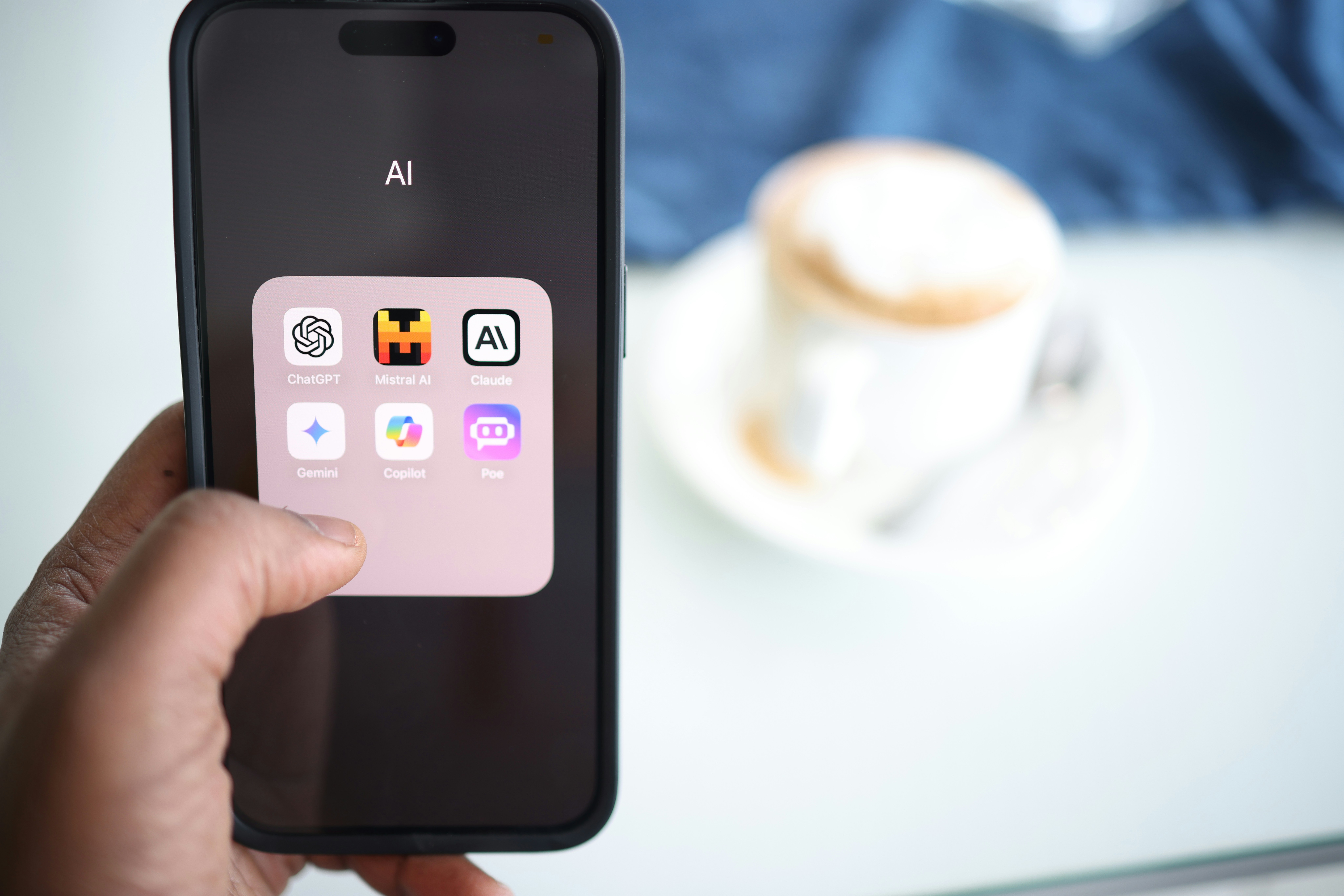
- AI as a creative collaborator: Tools like DALL·E, MidJourney, and ChatGPT are being used to produce artworks, concept designs, and multimedia projects.
- Democratization of creativity: AI allows anyone, regardless of artistic skill, to produce professional-looking content.
- Cultural impact: AI art is showing up in galleries, social media, and advertising, sparking debates on originality and value.
2. Legal and Copyright Challenges
- Who owns AI art?
- In many jurisdictions, copyright law currently only protects works created by humans.
- Questions arise: Does the AI developer own it? The user who generated it? Or is it considered public domain?
- Case law examples: Some legal battles are already shaping how courts view AI-generated content.
- Licensing and fair use: Many platforms try to address ownership with specific terms of service, but ambiguity remains.
3. Ethical Considerations
- Credit and attribution: Should human prompts or training datasets receive recognition?
- Bias and representation: AI models learn from existing data, which may reinforce stereotypes or reproduce cultural biases.
- Impact on human artists: AI art could devalue traditional artistry or reshape the economics of creative industries.
4. AI Art and Originality
- Defining creativity: Is machine-generated work “original,” or is it merely recombining existing human creations?
- Collaborative potential: Many see AI as a co-creator rather than a replacement, offering inspiration, efficiency, and experimentation.
- Market evolution: AI art is already selling in galleries and NFT marketplaces, challenging traditional notions of artistic merit.
5. Looking Forward: Governance and Policy
- Policy frameworks: Governments and organizations are exploring laws to clarify ownership, usage rights, and ethical guidelines.
- Transparency: Artists, companies, and AI platforms need to disclose AI involvement in content creation.
- Sustainability: Ensuring AI-generated art does not exploit cultural heritage or infringe on the rights of original creators.
Conclusion
AI art represents a fascinating frontier where technology and creativity intersect. However, the ethical and legal implications are complex and evolving. As machine-generated creativity becomes more widespread, society must define ownership, responsibility, and fairness to ensure AI enhances human creativity rather than undermines it. For artists, businesses, and policymakers, the challenge is clear: embrace innovation while protecting human ingenuity and ethical standards.
References
AI-Generated Art in the Marketplace