
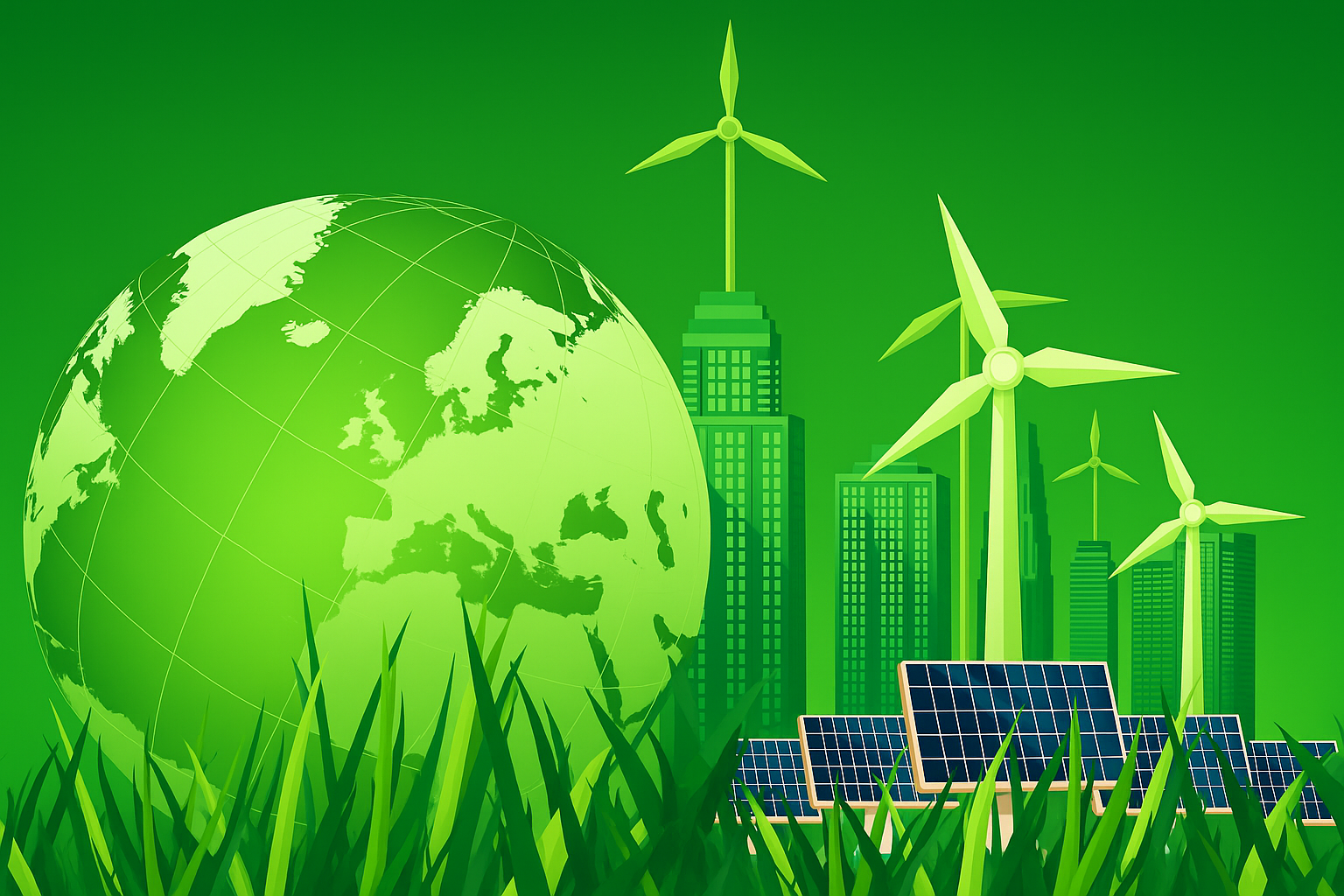
The Global Shift Toward Renewable Energy and Smart Cities
The world is undergoing a profound transformation as cities embrace renewable energy and smart technologies to create more sustainable, efficient, and livable urban environments. This convergence of clean energy and intelligent infrastructure represents one of the most significant shifts in how we design, power, and manage our urban spaces in the 21st century.
The Renewable Energy Revolution
The momentum behind renewable energy has reached unprecedented levels. Global renewable power capacity increased by 585 GW in 2024, marking a record growth rate of 15.1%, according to the International Renewable Energy Agency (IRENA). Solar energy has emerged as the dominant force in this transition, with solar capacity growing by 32.2% and adding almost 452 GW to reach a total capacity of 1,865 GW worldwide.
This expansion represents more than just incremental progress. Low-carbon power sources surpassed 40% of global electricity for the first time since the 1940s, marking a historic milestone in the energy transition. Solar and wind power combined now generate more electricity than hydropower, demonstrating the rapid ascendance of these technologies.
Regional Leadership and Investment
The geographic distribution of renewable energy growth reveals interesting patterns. Asia, particularly China, leads the expansion, contributing over two-thirds of new capacity additions. China alone has demonstrated remarkable commitment, with solar capacity increasing by 45% in 2024. The country has positioned itself as both the world’s largest consumer of solar energy and a leading exporter of solar technology.
Investment in the energy transition reached historic highs, with global investments totaling USD 2.4 trillion in 2024, a 20% increase from previous years. Solar photovoltaic technology attracted USD 554 billion in investment, representing a 49% increase, underscoring the technology’s economic viability and investor confidence.
Challenges on the Path to 2030
Despite record-breaking growth, the pace of renewable energy deployment still falls short of what’s needed to meet global climate targets. To achieve the goal of tripling renewable energy capacity by 2030, as agreed at international climate summits, the world needs an annual growth rate of 16.6%, slightly higher than current rates. This gap highlights the need for accelerated policy support, streamlined permitting processes, and continued investment.
The Rise of Smart Cities
Parallel to the renewable energy revolution, cities worldwide are embracing smart technologies to optimize resource use, improve quality of life, and reduce environmental impact. The global smart cities market was valued at USD 634 billion in 2024 and is projected to grow at 15.8% annually to reach USD 2.74 trillion by 2034.
Core Components of Smart Cities
Smart cities integrate multiple technological systems to create interconnected urban environments:
Smart Transportation: Cities are deploying intelligent traffic management systems, electric vehicle infrastructure, and real-time mobility solutions. The smart transportation segment accounted for USD 161.3 billion in 2024, reflecting the priority cities place on sustainable mobility. Electric vehicle adoption is accelerating, with EV sales reaching 17 million units in 2024, representing over 20% of new cars sold.
Energy Management: Smart grids leverage sensors, artificial intelligence, and real-time data to optimize electricity distribution and integrate renewable sources. These systems enable dynamic supply-demand balancing, reducing waste and improving reliability. Some implementations have achieved between 40% to 60% higher efficiency in water usage while minimizing waste.
Connected Infrastructure: The rollout of 5G networks enables real-time data transmission across IoT devices, from air quality monitors to waste management sensors. Cities deploying smart waste management solutions have seen an 80% reduction in overflow incidents through IoT-enabled bins.
Green Buildings: Energy-efficient structures incorporate smart thermostats, LED lighting, and renewable energy generation. Advanced designs utilizing biosolar green roofs can lower cooling energy use by up to 25% and cool roof surfaces by 30-40°C.
Leading Smart Cities
European and Asian cities continue to lead global smart city rankings. According to the 2024 IMD Smart City Index, cities like Zurich and Oslo excel by prioritizing digital equity, affordable housing, and environmental sustainability. These urban centers serve as models for balancing technological innovation with resident needs and environmental responsibility.
The Integration: Where Renewable Energy Meets Smart Cities
The true power of this transformation lies in the integration of renewable energy with smart city infrastructure. This convergence creates synergies that amplify the benefits of both approaches.
Smart Grids and Renewable Integration
Smart grids serve as the critical link between renewable energy generation and urban energy consumption. These systems use advanced analytics, including artificial intelligence and machine learning, to optimize the integration of variable renewable sources like solar and wind power. Real-time monitoring enables cities to balance electricity supply and demand dynamically, storing excess renewable energy when production is high and drawing from storage during peak consumption periods.
Distributed Energy Systems
Cities are implementing local energy systems where buildings and communities become both energy consumers and producers. Community solar projects allow residents without suitable rooftops to benefit from solar energy, while peer-to-peer energy trading platforms enable households to sell excess renewable energy to neighbors. This decentralization enhances grid resilience and empowers communities to take ownership of their energy futures.
Electric Mobility and Renewable Charging
The transportation sector’s electrification gains significantly when paired with renewable energy. Smart charging stations integrated with solar panels and intelligent grid systems ensure electric vehicles are powered by clean energy. IoT-enabled charging infrastructure optimizes charging times to coincide with peak renewable energy production, maximizing the environmental benefits.
Benefits and Impact
The combined effect of renewable energy adoption and smart city technologies delivers multiple benefits:
Environmental Impact: Cities account for approximately 70% of global energy consumption and greenhouse gas emissions. The transition to renewables and smart infrastructure directly addresses this challenge, significantly reducing urban carbon footprints.
Economic Advantages: While initial infrastructure investments are substantial, renewable energy and smart systems generate long-term cost savings through reduced energy consumption, optimized resource allocation, and decreased operational costs.
Quality of Life: Cleaner air from reduced fossil fuel use, more efficient public services, decreased traffic congestion, and improved public safety enhance urban living conditions. Smart city technologies create more responsive environments that adapt to residents’ needs.
Resilience: Data-driven infrastructure and diversified energy sources make cities better equipped to handle climate change impacts, natural disasters, and population growth pressures.
Challenges and the Path Forward
Several obstacles remain on the path to widespread adoption:
Financial Barriers: The high upfront costs of smart infrastructure and renewable energy systems challenge many municipalities, particularly in developing regions. Despite record investments, 90% remained concentrated in advanced economies and China, highlighting the need for innovative financing mechanisms to support deployment in emerging markets.
Digital Divide: Ensuring equitable access to smart city benefits requires addressing gaps in digital literacy, connectivity, and affordability. Without deliberate efforts toward inclusion, smart city technologies risk exacerbating existing inequalities.
Integration Complexity: Coordinating multiple systems, stakeholders, and technologies requires sophisticated planning, governance, and technical expertise that many cities are still developing.
Policy and Regulation: Outdated regulatory frameworks can impede renewable energy deployment and smart city implementation. Streamlined permitting processes and supportive policies are essential for accelerating progress.
Conclusion
The global shift toward renewable energy and smart cities represents a fundamental reimagining of urban life. As solar panels proliferate on rooftops, wind turbines dot landscapes, and intelligent systems optimize everything from traffic flows to energy distribution, cities are becoming living laboratories for sustainability.
The convergence of these two transformative trends creates opportunities for cities to dramatically reduce their environmental impact while improving residents’ lives. Success requires sustained commitment from governments, businesses, and citizens, along with continued innovation, investment, and international cooperation.
The cities that successfully navigate this transition will not only meet climate targets but will also become more competitive, livable, and resilient. As we look toward 2030 and beyond, the integration of renewable energy and smart technologies will define the urban experience for billions of people worldwide, making the dream of truly sustainable cities an achievable reality.
References
- IRENA – Renewables in 2024: 5 Key Facts Behind a Record-Breaking Year
- IEA – Global Energy Review 2025
- Ember – Global Electricity Review 2025
- RFF – Global Energy Outlook 2025
- IRENA & CPI – Global Landscape of Energy Transition Finance 2025
- GM Insights – Smart Cities Market Size, Share, Trends & Forecasts
- UN-Habitat – World Smart Cities Outlook 2024
- IMD – Smart City Index 2024
- StartUs Insights – 10 Emerging Smart City Trends 2025-2026
- Grand View Research – Smart Cities Market Size And Share
- Innovation & Tech Today – 6 Smart City Trends Transforming Communities in 2025
- Bee Smart City – How Smart Cities Can Use Renewable Energy Sources
- European Commission – Energy and Smart Cities