

Introduction
In today’s digital economy, marketing success is increasingly driven by data. Businesses can no longer rely solely on intuition or assumptions when planning campaigns. Instead, analytics provides measurable insights that help marketers understand audience behavior, evaluate campaign performance, and make informed decisions.
Marketing analytics enables organizations to track key metrics, identify trends, and optimize strategies for better results. When used effectively, analytics can significantly improve marketing efficiency, reduce wasted spending, and increase overall return on investment.
1. Understand Key Marketing Metrics
The first step in using analytics effectively is identifying the metrics that matter most to your marketing objectives.
Common marketing metrics include:
- Website traffic
- Conversion rates
- Customer acquisition cost
- Engagement rates
- Return on investment (ROI)
Tracking these metrics helps marketers determine whether their campaigns are achieving their intended goals.
Tools such as Google Analytics allow businesses to monitor user behavior and measure performance across multiple digital channels.

2. Track Customer Behavior
Analytics tools provide valuable insights into how users interact with your website and content. Understanding customer behavior helps marketers identify opportunities for improvement.
Key behavioral insights may include:
- Which pages visitors view most frequently
- How long users stay on a page
- Where visitors drop off in the conversion process
- Which traffic sources generate the most engagement
By analyzing these patterns, businesses can optimize their websites and marketing strategies to improve user experience and conversion rates.
3. Identify High-Performing Channels
Marketing efforts often span multiple channels, including search engines, social media, email marketing, and paid advertising.
Analytics allows businesses to evaluate which channels produce the best results. For example, marketers can compare performance across different platforms and determine which sources generate the most leads or sales.
This information helps businesses allocate resources more effectively and focus on the channels that deliver the highest impact.
4. Use A/B Testing to Optimize Campaigns
A/B testing is a powerful method for improving marketing performance. It involves comparing two variations of a marketing element to determine which performs better.
Common elements tested include:
- Email subject lines
- Landing page headlines
- Call-to-action buttons
- Advertisement visuals
- Website layouts
Marketing platforms such as HubSpot allow businesses to run controlled tests and analyze the results.
Over time, these incremental improvements can significantly increase campaign effectiveness.
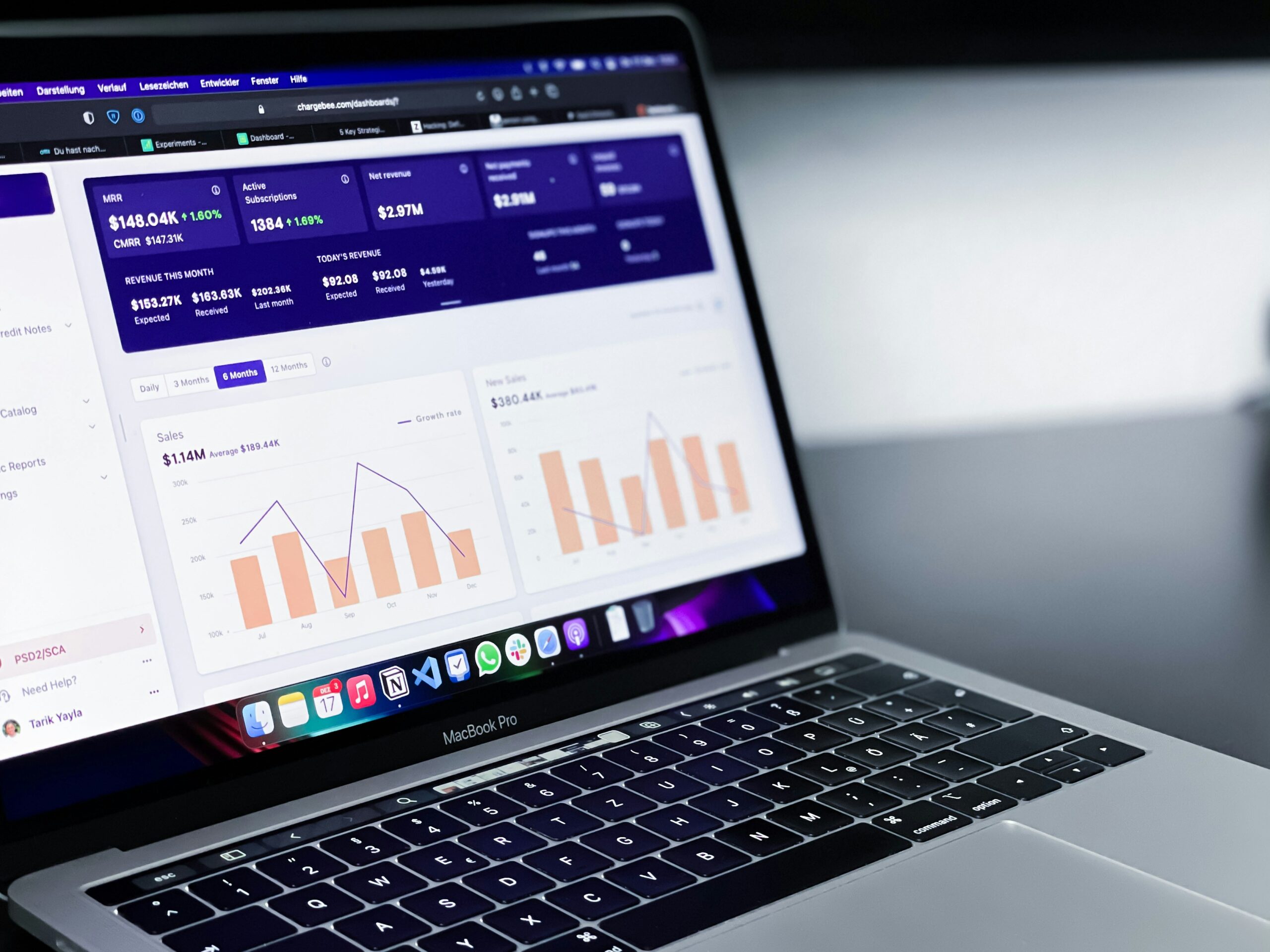
5. Monitor Conversion Funnels
A conversion funnel represents the stages a customer moves through before completing a desired action, such as making a purchase or filling out a contact form.
Analytics tools can identify where users drop out of the funnel. By understanding these points of friction, businesses can make adjustments to improve conversion rates.
For example, marketers may simplify forms, improve page loading speed, or provide clearer calls to action.
6. Personalize Marketing Campaigns
Data-driven insights allow marketers to tailor content and messaging to specific audience segments.
Analytics can reveal:
- Customer demographics
- Interests and preferences
- Purchasing behavior
- Content engagement patterns
Using this information, businesses can deliver personalized campaigns that resonate more strongly with their audience.
Personalized marketing often leads to higher engagement and improved customer satisfaction.
7. Measure Long-Term Marketing Impact
Marketing success should not only be measured by immediate results. Long-term performance indicators, such as customer retention and lifetime value, are equally important.
Analytics helps businesses evaluate whether their strategies are building sustainable relationships with customers. By monitoring long-term trends, marketers can refine their strategies and maintain steady growth.

Conclusion
Analytics has become an essential component of modern marketing strategy. By tracking key metrics, analyzing customer behavior, and testing different approaches, businesses can make informed decisions that improve campaign performance.
Organizations that embrace data-driven marketing are better equipped to optimize their strategies, allocate resources effectively, and achieve stronger business results.
In an increasingly competitive digital landscape, the ability to interpret and act on marketing data is a critical advantage.
References
- Google Analytics Help Center. Understanding Website Analytics and Performance Tracking
https://support.google.com/analytics - HubSpot. Marketing Analytics: The Ultimate Guide
https://blog.hubspot.com/marketing/marketing-analytics - McKinsey & Company. Data-Driven Marketing and Analytics
https://www.mckinsey.com/capabilities/growth-marketing-and-sales/our-insights - Harvard Business Review. Using Data and Analytics to Improve Marketing
https://hbr.org/topic/analytics - Gartner. Marketing Data and Analytics Strategy
https://www.gartner.com/en/marketing/insights/data-and-analytics