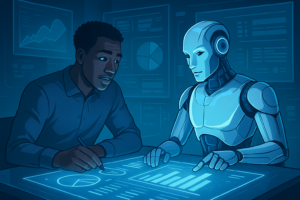

Technology is evolving faster than at any other point in human history. Artificial intelligence, automation, remote collaboration tools, and digital platforms are constantly changing how people work, learn, and interact.
Yet one of humanity’s greatest strengths is adaptability. Humans consistently adjust their behaviors, skills, and mindsets to fit new realities. Recent workforce and psychology research shows that the true value of technological progress depends less on the tools themselves and more on how quickly people can learn, trust, and integrate them into daily life.
This ability to adapt is what allows societies, businesses, and individuals to thrive during periods of rapid technological change.
1. Learning New Skills Quickly
The first way humans adapt is through continuous learning.
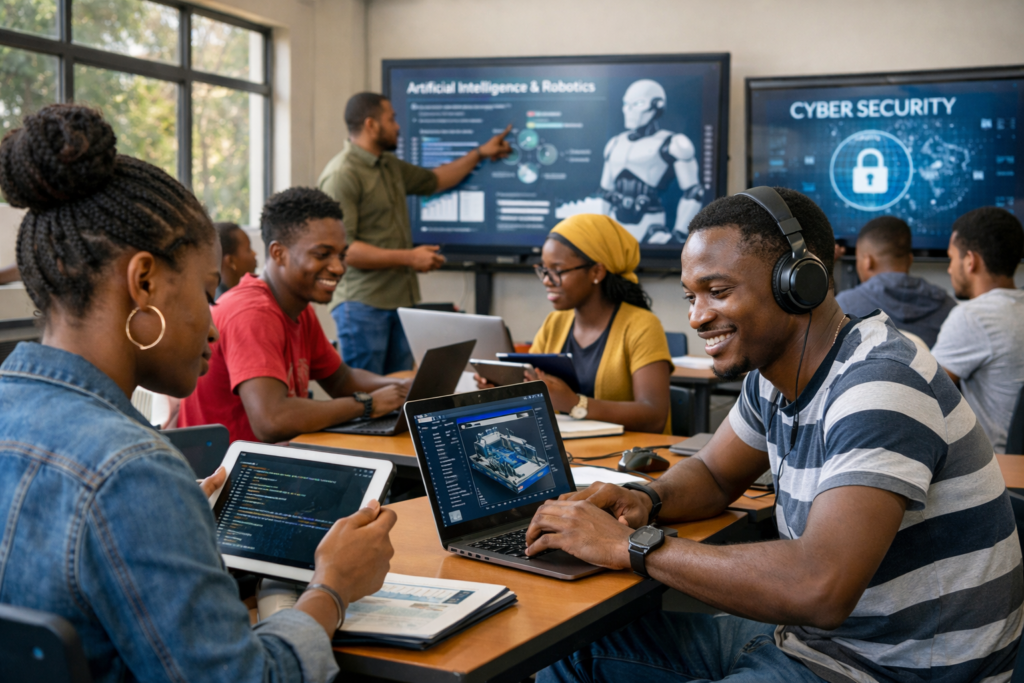
As new systems emerge, people develop fresh capabilities such as:
- AI literacy
- Digital communication
- Data interpretation
- Automation workflows
- Cybersecurity awareness
Modern adaptation is less about mastering one fixed skill and more about learning how to learn repeatedly. Organizations that invest in continuous reskilling tend to navigate rapid change more successfully.

2. Behavioral Flexibility
Adaptation often begins with mindset shifts.
Humans learn to:
- Replace old routines
- Experiment with unfamiliar tools
- Change work habits
- Accept new communication styles
- Rethink traditional workflows
Research on workplace technology acceptance highlights trust, experimentation, and openness as key drivers of successful adaptation.
The more flexible people are psychologically, the easier it becomes to integrate new technology.
3. From Resistance to Acceptance
Rapid change often creates discomfort at first. People may initially resist new tools because of uncertainty, fear of failure, or concern about replacement.
Over time, adaptation happens through:
- Familiarity
- Repeated use
- Peer learning
- Visible benefits
- Better training
Once technology clearly reduces effort or improves outcomes, acceptance increases significantly. Human behavior—not just technical capability—ultimately determines whether innovation creates real value.
4. Social Learning and Collaboration
Humans rarely adapt alone.
People often learn new technologies through:
- Team collaboration
- Workplace mentorship
- Online tutorials
- Creator communities
- Peer experimentation
Shared learning environments reduce fear and accelerate confidence. Social support plays a major role in helping individuals normalize technological transitions.
This is why communities, workplaces, and schools remain central to digital adaptation.
5. Redefining Roles and Identity
Technology doesn’t just change tools—it changes how people define their roles.
For example:
- Teachers become digital facilitators
- Marketers become AI-assisted strategists
- Designers become prompt-driven creators
- Managers become workflow orchestrators
Humans adapt by evolving their professional identity around higher-value thinking, creativity, and judgment.
This role redefinition is becoming one of the most important aspects of future work.
6. Emotional Adaptation and Resilience
Fast technological change can create stress, uncertainty, and fatigue.
Humans adapt emotionally by building:
- Resilience
- Growth mindset
- Curiosity
- Confidence through small wins
- Tolerance for ambiguity
Emotional intelligence is increasingly important because the pace of change means people must remain effective even before they feel fully comfortable.
Resilience helps transform disruption into growth.
7. Building New Habits Around Technology
Long-term adaptation happens when new tools become part of everyday habits.
Examples include:
- Checking AI copilots before writing
- Using automation for repeated tasks
- Defaulting to video collaboration
- Learning through digital platforms
- Managing privacy and security settings intentionally
Over time, what once felt “new” becomes invisible infrastructure in daily life.
This habit formation is one of the clearest signs of successful human adaptation.
8. Why Curiosity Is the Core Survival Trait
At the center of technological adaptation is curiosity.
Curious people are more likely to:
- Explore new systems early
- Ask better questions
- Test possibilities
- Learn from failure
- Spot new opportunities
Technology changes rapidly, but curiosity allows humans to keep evolving with it.
More than technical mastery, the ability to remain curious may be the most future-proof human trait.
Conclusion
Humans adapt to rapid technological change through learning, experimentation, collaboration, and emotional resilience. While new tools may initially feel disruptive, people gradually integrate them into habits, workflows, and even identity.
The future will continue to bring faster innovation cycles, but human adaptability remains remarkably strong. Those who stay curious, flexible, and committed to lifelong learning will be best positioned to thrive.
Technology may move fast, but human adaptability is what turns change into progress.
References
- World Economic Forum. Why Human Behaviour and Workforce Adoption Determine AI Value
https://www.weforum.org/stories/2026/01/human-behaviour-workforce-adoption-value-derived-from-ai/ - Sage Journals. Trust, Experimentation, and Adaptability in Technology Acceptance
https://journals.sagepub.com/doi/10.1177/21582440241311126 - TIME / McKinsey Global Institute. How Workers Will Adapt in the AI Era
https://time.com/7341258/how-workers-will-adapt-in-ai-era/ - Harvard Business Review. Adaptability and the Future of Work
https://hbr.org/topic/future-of-work - World Economic Forum. AI, Talent, and the Future of Human Capability
https://www.weforum.org/agenda/artificial-intelligence/