
Introduction
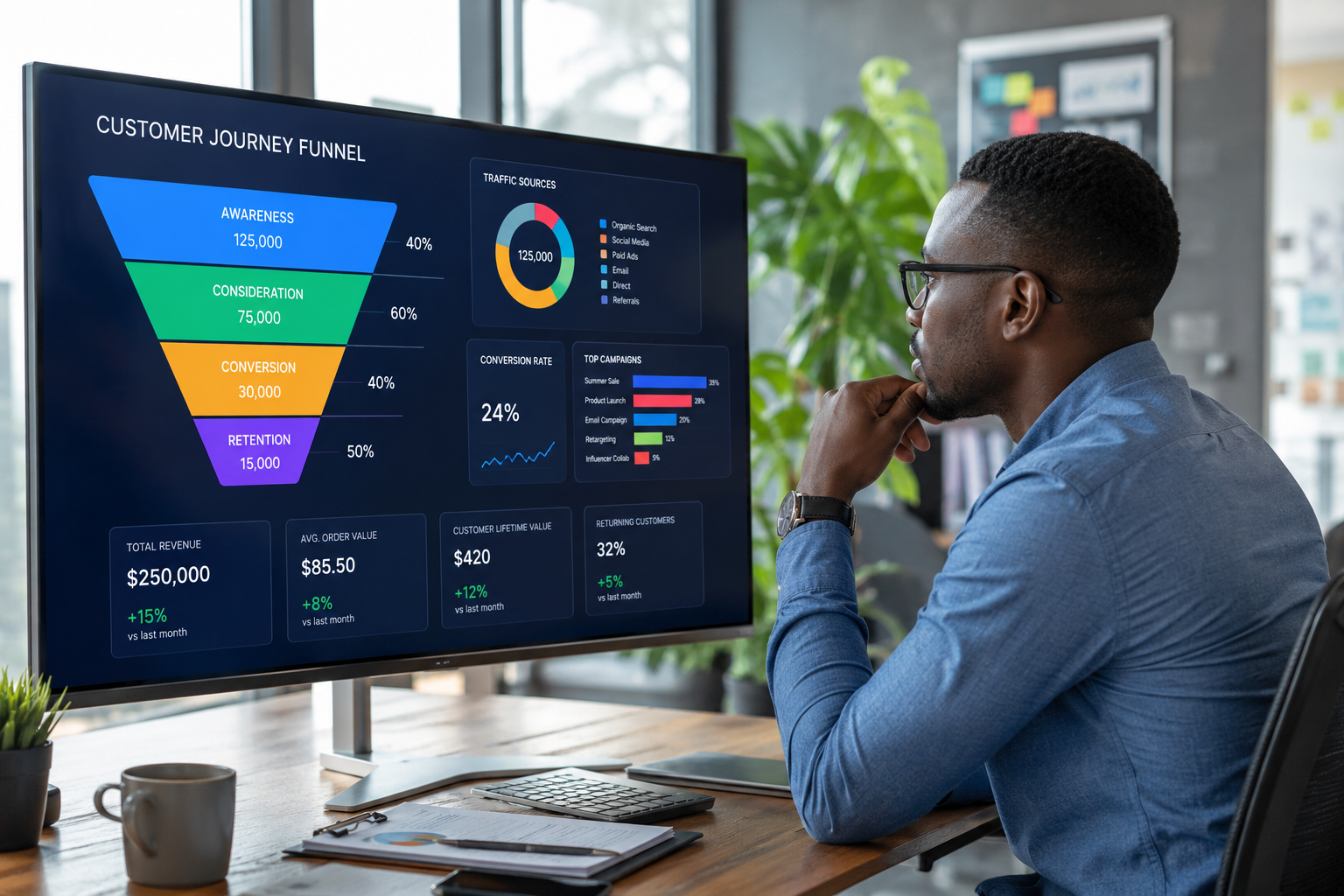
Attracting potential customers is only the first step in a successful marketing strategy. Businesses must also guide those prospects through a structured journey that leads to meaningful actions, such as making a purchase, subscribing to a service, or requesting more information.
This journey is known as the marketing funnel.
An optimized marketing funnel helps businesses reduce customer drop-off, improve conversion rates, and maximize the return on their marketing investments. Rather than focusing solely on generating more traffic, optimization ensures that more of the existing audience progresses from awareness to conversion.
Understanding how to improve each stage of the marketing funnel is essential for achieving sustainable business growth.
1. Understand the Marketing Funnel
A marketing funnel represents the stages customers move through before making a decision.
The typical stages include:
- Awareness
- Interest
- Consideration
- Conversion
- Retention
Each stage requires different types of content, messaging, and customer engagement.
Optimizing the funnel means improving the experience at every stage rather than focusing only on the final sale.
2. Clearly Define Your Target Audience
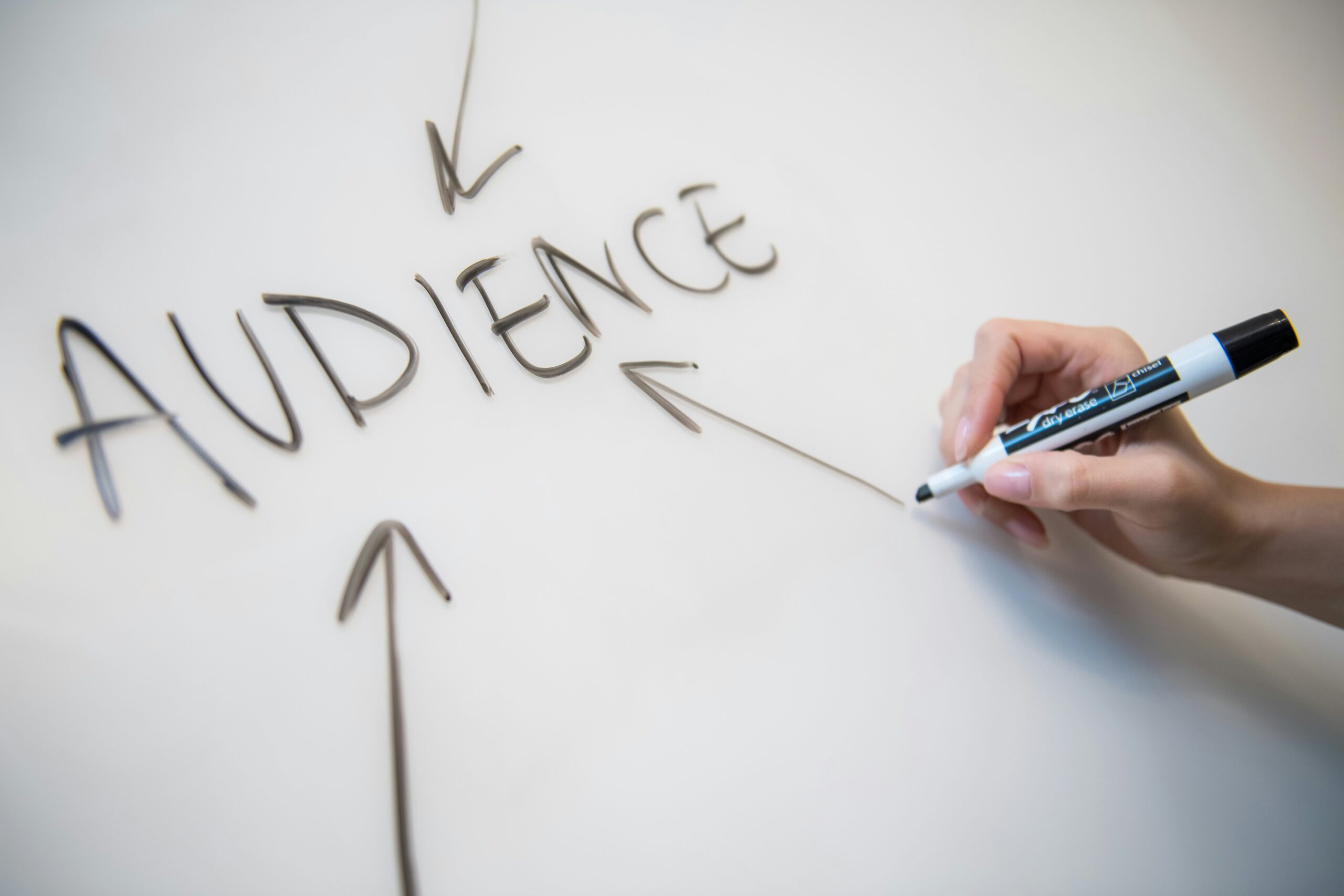
An effective marketing funnel begins with understanding your audience.
Identify:
- Customer demographics
- Interests
- Challenges
- Goals
- Buying behavior
Knowing your audience allows businesses to create messaging that is more relevant and persuasive.
The more closely content matches customer needs, the more effective the funnel becomes.
3. Strengthen the Awareness Stage
The awareness stage introduces potential customers to your brand.
Common awareness strategies include:
- Search engine optimization (SEO)
- Content marketing
- Social media marketing
- Paid advertising
- Video marketing
The objective is to attract qualified visitors rather than simply increasing traffic.
Relevant audiences are more likely to move further into the funnel.
4. Deliver Valuable Content During the Interest Stage
Once attention has been captured, businesses should provide useful information that builds interest.
Examples include:
- Educational blog posts
- Product demonstrations
- Case studies
- Videos
- Email newsletters
Valuable content helps establish credibility and encourages prospects to continue learning about the business.
Trust begins to develop during this stage.
5. Build Trust in the Consideration Stage
Potential customers often compare multiple options before making a decision.
Businesses can strengthen trust by providing:
- Customer testimonials
- Reviews
- Success stories
- Product comparisons
- Frequently asked questions
Addressing common concerns helps reduce uncertainty.
The easier it is for customers to evaluate your offering, the more likely they are to move toward conversion.
6. Optimize Landing Pages and Calls to Action
Landing pages play a major role in conversion.
Effective landing pages include:
- Clear headlines
- Strong value propositions
- Relevant visuals
- Simple forms
- Prominent calls to action
Calls to action should clearly communicate the next step.
Reducing distractions helps visitors stay focused on completing the desired action.
7. Simplify the Conversion Process
A complicated purchasing or registration process can reduce conversions.
Businesses should aim to:
- Minimize form fields
- Simplify checkout procedures
- Offer multiple payment options
- Improve page loading speed
- Ensure mobile compatibility
Reducing friction encourages more users to complete the conversion process.
Convenience improves customer experience.
8. Use Data to Identify Funnel Weaknesses
Analytics provide valuable insights into customer behavior.
Track metrics such as:
- Conversion rates
- Bounce rates
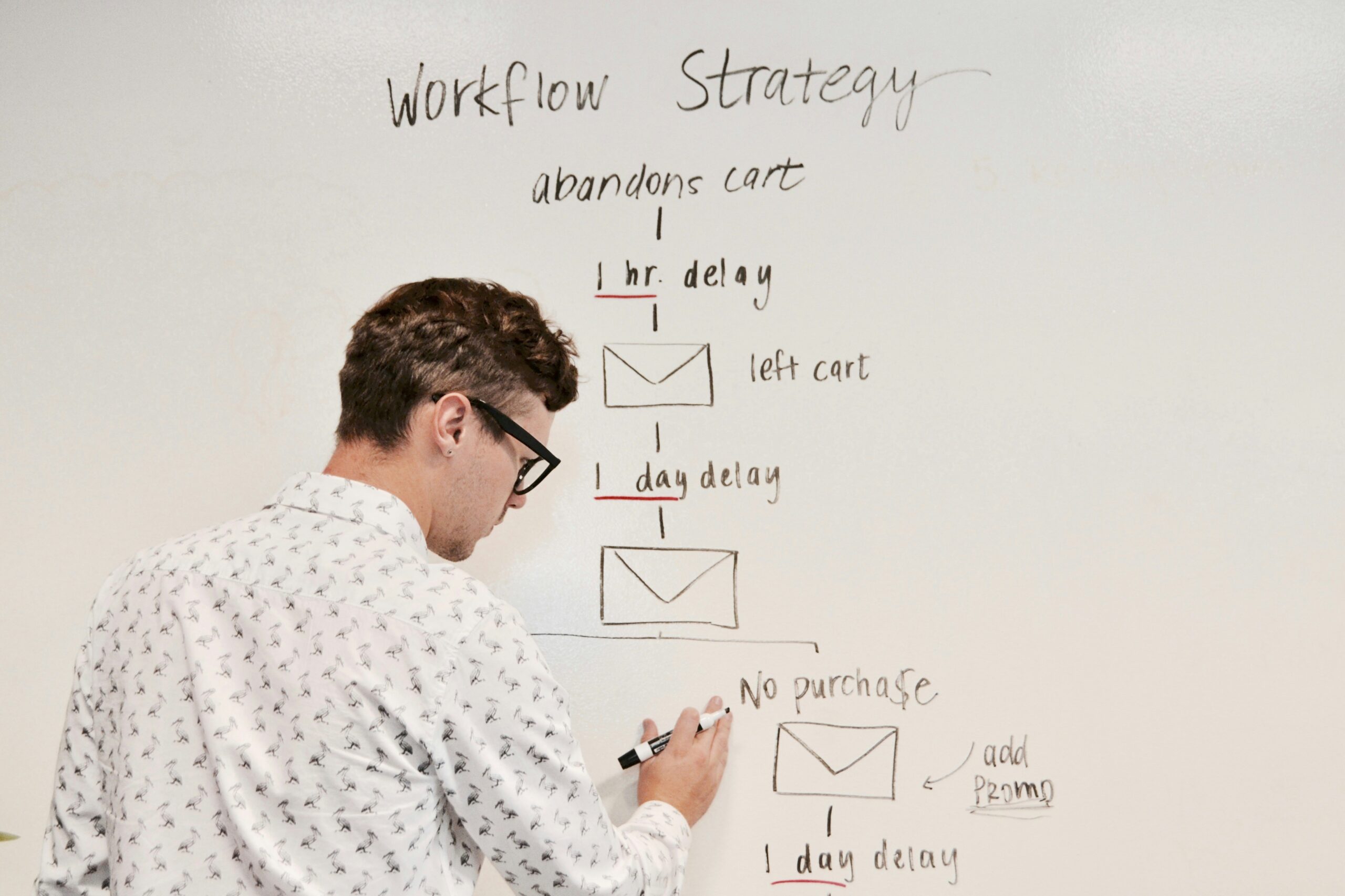
- Cart abandonment
- Time on page
- Click-through rates
These metrics help identify where prospects leave the funnel.
Data-driven improvements allow businesses to make more effective optimization decisions.
9. Conduct Continuous A/B Testing
Testing helps determine which marketing elements perform best.
Businesses can compare different versions of:
- Headlines
- Images
- Landing pages
- Call-to-action buttons
- Email subject lines
A/B testing removes guesswork and supports evidence-based optimization.
Small improvements at multiple stages can produce significant overall results.
10. Personalize the Customer Journey
Personalized experiences often increase engagement and conversions.
Businesses can personalize:
- Product recommendations
- Email campaigns
- Website content
- Promotional offers
- Follow-up communications
When customers receive content that matches their interests, they are more likely to continue through the funnel.
Personalization creates more relevant experiences.
11. Focus on Customer Retention
The marketing funnel should not end after a purchase.
Retention strategies include:
- Loyalty programs
- Customer support
- Follow-up emails
- Educational resources
- Exclusive offers
Satisfied customers often become repeat buyers and brand advocates.
Retaining existing customers is frequently more cost-effective than acquiring new ones.
12. Continuously Refine the Funnel
Consumer behavior, technology, and market conditions change over time.
Businesses should regularly:
- Review performance data
- Gather customer feedback
- Update messaging
- Test new strategies
- Improve user experiences
Optimization is an ongoing process rather than a one-time project.
Continuous improvement helps businesses remain competitive.
Conclusion
Optimizing a marketing funnel involves improving every stage of the customer journey, from initial awareness to long-term retention. By understanding audience needs, delivering valuable content, building trust, simplifying conversions, and using data-driven insights, businesses can increase conversion rates and maximize the value of their marketing efforts.
Rather than focusing solely on attracting more visitors, successful organizations concentrate on helping more existing prospects become loyal customers. Continuous testing, personalization, and refinement ensure that marketing funnels remain effective as customer expectations and digital technologies continue to evolve.
In today’s competitive marketplace, an optimized marketing funnel is one of the most valuable assets a business can develop.
References
- HubSpot — Marketing Funnel Optimization Guide
HubSpot - Google Analytics — Measuring Customer Journeys and Conversions
Google Analytics - Optimizely — Conversion Funnel Optimization Strategies
Optimizely - Nielsen Norman Group — User Experience and Conversion Optimization
Nielsen Norman Group - Salesforce — Understanding and Optimizing the Marketing Funnel
Salesforce