
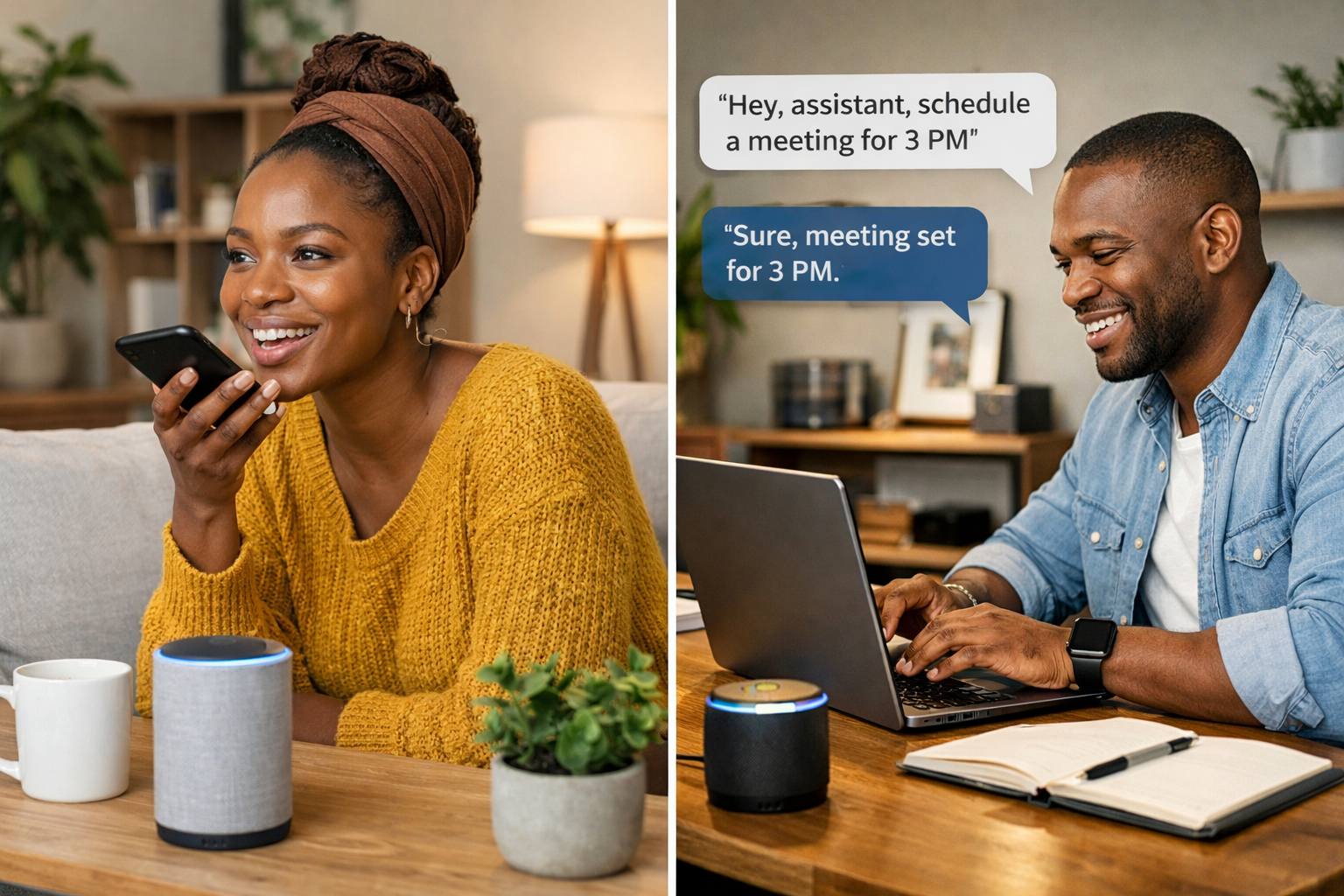
AI assistants have moved beyond novelty features and into everyday essentials. What started as simple voice commands has evolved into intelligent systems that help people work faster, live smarter, and make better decisions. From smartphones and smart homes to workplaces and online services, AI assistants are quietly reshaping daily life.
Their impact isn’t loud—but it’s profound.
What Are AI Assistants?
AI assistants are digital tools powered by artificial intelligence that can understand language, learn from behavior, and perform tasks automatically. They respond to voice or text, analyze data, and adapt over time to user preferences.
Common examples include:
- Voice assistants like Siri, Alexa, and Google Assistant
- Chat-based AI tools for writing, research, and customer support
- Smart assistants embedded in apps, websites, and devices
Their purpose is to reduce effort and improve efficiency.
How AI Assistants Are Boosting Productivity
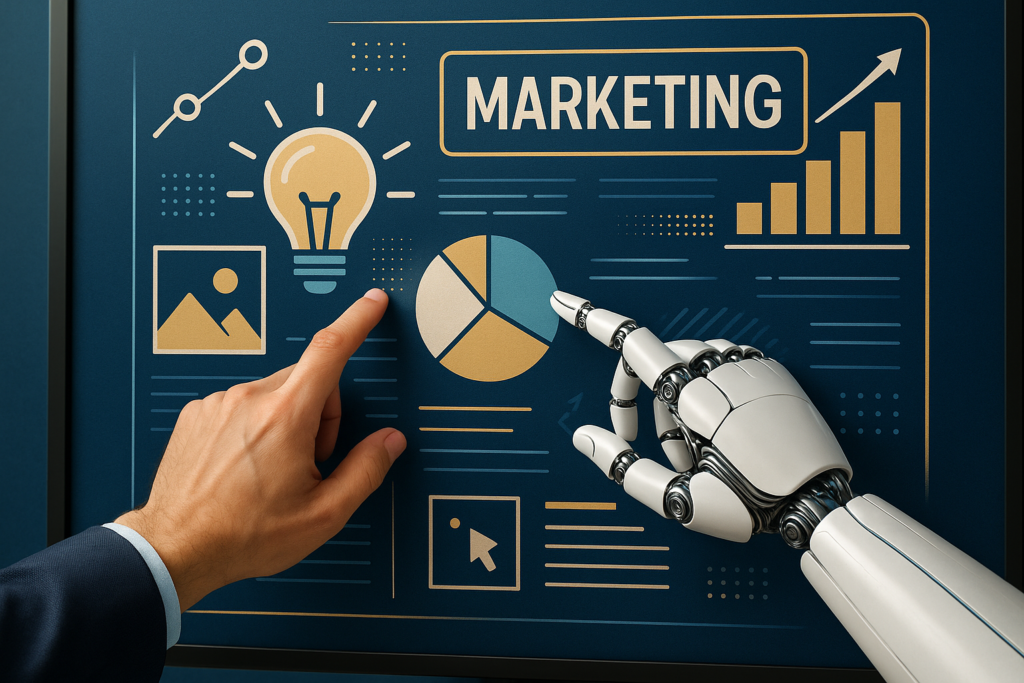
One of the most noticeable benefits of AI assistants is how much time they save. People now rely on them to handle repetitive or time-consuming tasks that once required constant attention.
AI assistants help with:
- Scheduling meetings and reminders
- Writing drafts, summaries, and reports
- Finding information instantly
- Automating routine digital tasks
This shift allows people to focus more on creativity, strategy, and problem-solving.
Transforming Homes Into Intelligent Spaces
AI assistants are becoming central to modern homes. With simple commands, users can control lighting, temperature, entertainment systems, and security.
This transformation offers:
- Greater convenience and comfort
- Improved accessibility for elderly and disabled users
- Energy efficiency through automation
Homes are no longer passive spaces—they actively respond to human needs.
Changing How We Communicate
AI assistants are influencing communication in subtle but powerful ways. From predictive text and smart replies to real-time translation, they help people communicate faster and more clearly.
They also:
- Reduce language barriers
- Improve customer service experiences
- Support remote work and global collaboration
While AI doesn’t replace human interaction, it enhances how communication happens.
Personalized Digital Experiences
AI assistants learn user habits, preferences, and patterns over time. This allows them to deliver personalized recommendations across platforms.
Examples include:
- Customized content and media suggestions
- Personalized shopping and product recommendations
- Adaptive learning and wellness tools
This level of personalization makes technology feel more intuitive and human-centered.
Concerns Around Privacy and Dependence
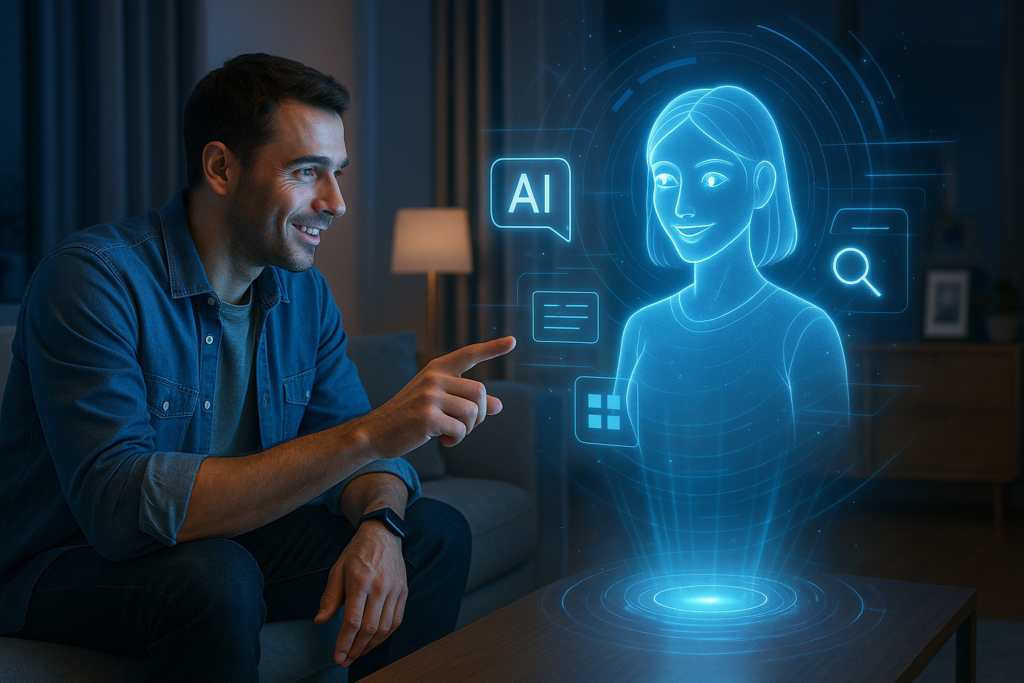
Despite their benefits, AI assistants raise important concerns. As they collect and process large amounts of personal data, privacy and security become critical issues.
Key challenges include:
- How user data is stored and used
- Bias in AI-generated responses
- Over-reliance on automation
Responsible development and transparent usage policies are essential as adoption grows.
What the Future Holds
AI assistants are evolving from reactive tools into proactive systems. Future assistants will anticipate needs, understand context better, and integrate seamlessly across devices and platforms.
Rather than replacing people, they will increasingly act as intelligent partners—supporting decision-making and enhancing daily life.
Final Thoughts
AI assistants are no longer optional conveniences. They are shaping how people live, work, and interact with technology. The real challenge ahead is ensuring these tools remain ethical, transparent, and human-focused.
When used thoughtfully, AI assistants don’t take control—they give it back.
References
- How AI Assistants Are Transforming Everyday Life — McKinsey & Company
https://www.mckinsey.com/capabilities/mckinsey-digital/our-insights - The Rise of Voice Assistants — Statista
https://www.statista.com/topics/3165/voice-assistants/ - AI Tools and Productivity — Harvard Business Review
https://hbr.org/2023/05/how-ai-tools-are-changing-work - Ethics and Governance of AI — World Economic Forum
https://www.weforum.org/stories/2023/01/ai-ethics-and-governance/ - Public Attitudes Toward AI — Pew Research Center
https://www.pewresearch.org/internet/