
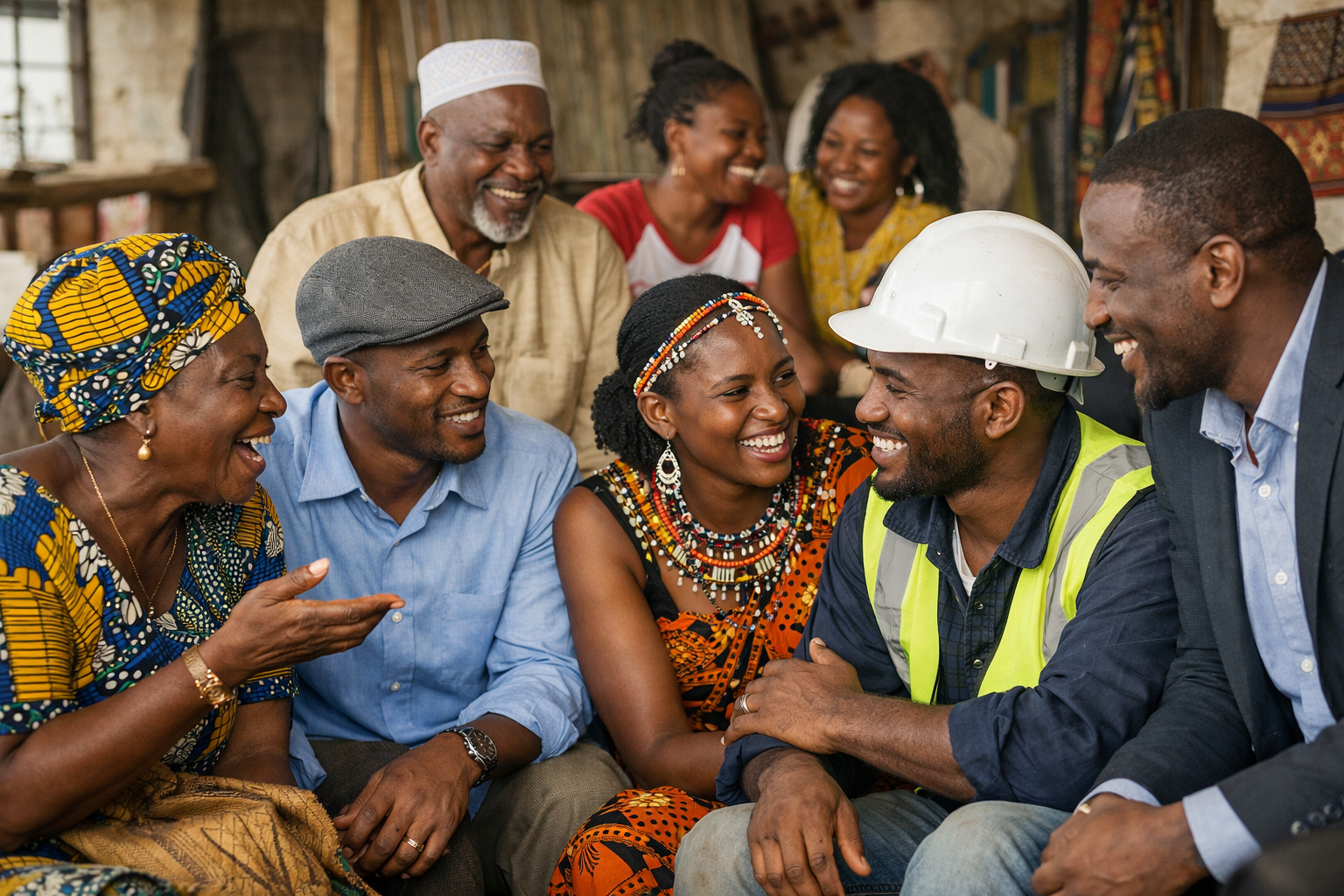
Culture quietly influences nearly every aspect of our lives—from how we communicate and make decisions to what we value, fear, and aspire to become. Often invisible to those living within it, culture acts as a powerful framework that shapes beliefs and behaviors across generations.
Understanding culture helps us better understand ourselves—and each other.
1. What Is Culture, Really?
Culture is more than traditions or clothing.
It includes:
- Values and belief systems
- Social norms and expectations
- Language and communication styles
- Customs, rituals, and shared history
Culture provides a shared lens through which people interpret the world.

2. Culture Shapes How We See Right and Wrong
Moral beliefs are strongly influenced by cultural norms.
For example:
- Concepts of respect differ across societies
- Ideas of success and failure vary
- Individualism vs. collectivism shapes priorities
What feels “normal” or “correct” is often culturally learned.
3. Beliefs Are Passed Down Through Socialization
From childhood, culture teaches us how to behave.
This happens through:
- Family upbringing
- Education systems
- Religious institutions
- Media and storytelling
Over time, these lessons become internalized beliefs.
4. Culture Influences Communication Styles
How people speak—and what they don’t say—is cultural.
Cultural differences affect:
- Direct vs. indirect communication
- Body language and eye contact
- Emotional expression
- Attitudes toward silence
Misunderstandings often arise when cultures collide.
5. Cultural Norms Shape Daily Behavior
Everyday actions are guided by cultural expectations.
Examples include:
- Punctuality and time perception
- Social greetings and personal space
- Gender roles
- Workplace behavior
These norms influence how individuals behave without conscious thought.
6. Culture and Identity Are Closely Linked
Culture plays a major role in shaping identity.
It influences:
- Self-image
- Sense of belonging
- Personal values
- Life goals
Cultural identity can be a source of pride, comfort, and connection.
7. Media Reinforces Cultural Beliefs
Movies, music, news, and social media reflect and shape culture.
Media helps:
- Normalize certain behaviors
- Promote values and ideals
- Reinforce stereotypes
- Shape public opinion
As media becomes global, cultures increasingly influence one another.

8. Cultural Change Happens Over Time
Culture is not static.
It evolves through:
- Technological advancements
- Migration and globalization
- Social movements
- Generational shifts
Beliefs once considered fixed can change as societies grow.
9. Understanding Culture Improves Empathy
Cultural awareness helps reduce judgment.
It allows people to:
- See behavior in context
- Communicate more effectively
- Build stronger relationships
- Navigate diverse environments
Empathy grows when we understand cultural differences.
10. Awareness Gives Us Choice
Recognizing cultural influence doesn’t mean rejecting it.
Instead, awareness allows us to:
- Question inherited beliefs
- Choose values intentionally
- Respect differences
- Adapt without losing identity
Understanding culture empowers personal growth.
Conclusion
Culture shapes our beliefs and behaviors in powerful yet subtle ways. By becoming more aware of these influences, we gain insight into our own actions and develop deeper empathy for others. In an increasingly connected world, cultural understanding is not just beneficial—it’s essential.
References (External Links)
- Verywell Mind – How Culture Influences Behavior
https://www.verywellmind.com - American Psychological Association – Culture and Psychology
https://www.apa.org - Pew Research Center – Cultural Values and Society
https://www.pewresearch.org - Simply Psychology – Cultural Influences on Behavior
https://www.simplypsychology.org - UNESCO – Culture and Social Development
https://www.unesco.org