

Marketing today generates more data than ever—website traffic, ad performance, social engagement, email metrics, and customer behavior. But data alone doesn’t drive better decisions. What matters is how clearly that data is organized, interpreted, and acted upon.
This is where data dashboards become essential. When used correctly, dashboards turn complex information into actionable insights that improve marketing strategy and performance.
1. What Is a Marketing Data Dashboard?
A marketing data dashboard is a visual tool that collects and displays key performance metrics in one place.
Dashboards help marketers:
- Monitor performance in real time
- Compare channels and campaigns
- Identify trends and anomalies
- Make faster, evidence-based decisions
Instead of digging through spreadsheets, teams get instant clarity.

2. Why Dashboards Matter in Modern Marketing
Marketing decisions are increasingly data-driven.
Dashboards matter because they:
- Reduce guesswork and assumptions
- Improve alignment between teams
- Enable quicker responses to performance changes
- Support accountability and transparency
Clear data leads to confident decisions.
3. Turning Data Into Actionable Insights
Not all data is useful.
Effective dashboards focus on:
- Metrics tied to business goals
- Trends rather than isolated numbers
- Comparisons over time
- Clear performance indicators
The goal isn’t to show everything—it’s to show what matters most.
4. Key Metrics to Include in Marketing Dashboards
The right metrics depend on objectives, but common categories include:
- Traffic metrics: sessions, sources, bounce rate
- Engagement metrics: time on page, click-through rates
- Conversion metrics: leads, sign-ups, purchases
- Cost metrics: cost per click, cost per acquisition
- Retention metrics: repeat visits, customer lifetime value
Dashboards should evolve as goals change.
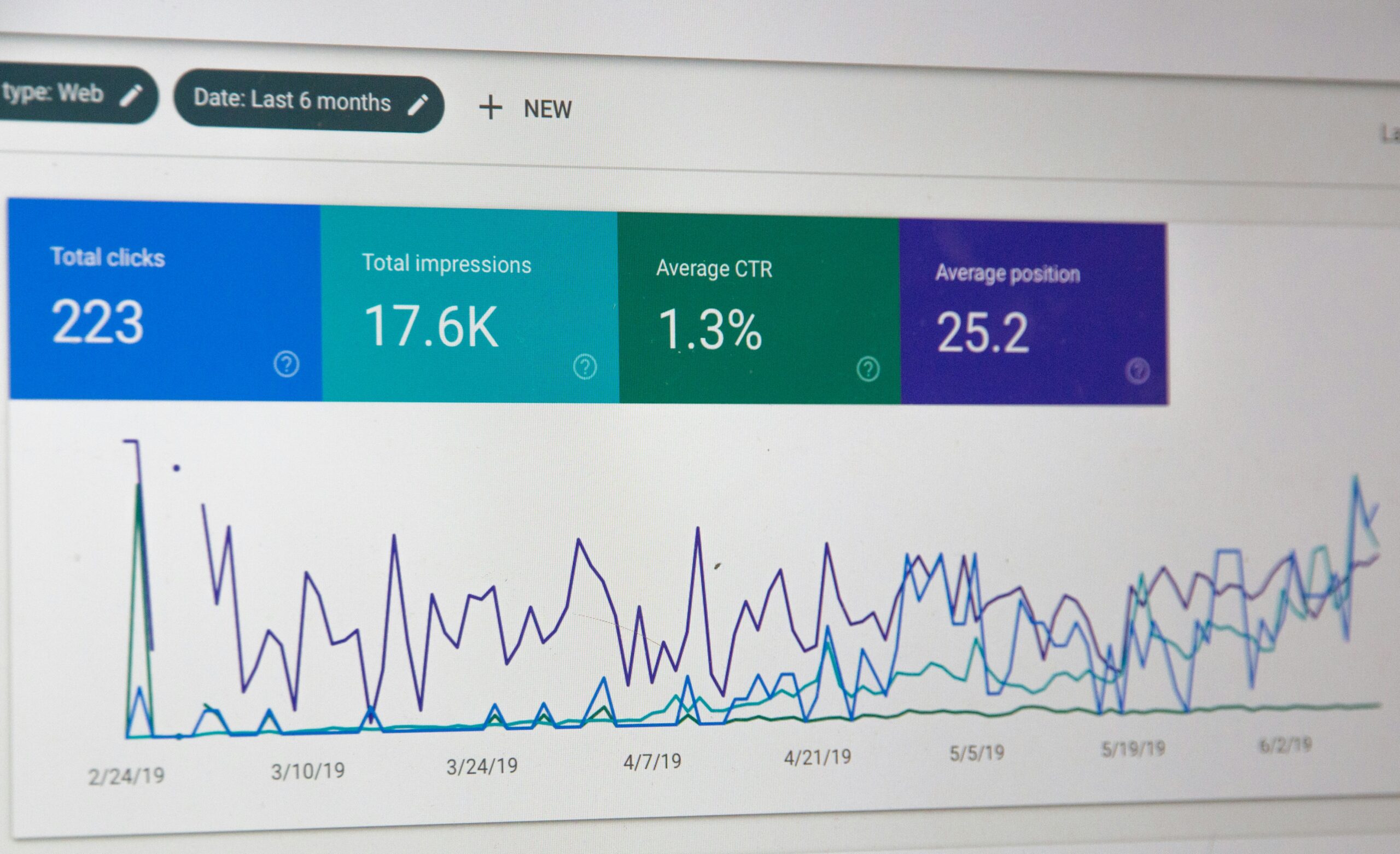
5. Improving Campaign Performance With Dashboards
Dashboards reveal what’s working—and what’s not.
They help marketers:
- Spot underperforming ads early
- Reallocate budget efficiently
- Test and optimize messaging
- Track ROI across channels
This real-time visibility reduces wasted spend and missed opportunities.
6. Enhancing Team Collaboration and Alignment
Dashboards create a shared source of truth.
Benefits include:
- Unified reporting across teams
- Clear communication with stakeholders
- Faster decision-making meetings
- Reduced reporting confusion
When everyone sees the same data, alignment improves.
7. Avoiding Common Dashboard Mistakes
Poorly designed dashboards can mislead.
Common mistakes include:
- Too many metrics on one screen
- Vanity metrics without context
- Lack of clear definitions
- No link between data and goals
Simplicity and relevance are more effective than complexity.
8. The Role of Automation and AI in Dashboards
Modern dashboards increasingly use automation and AI.
These tools can:
- Automatically update reports
- Detect anomalies and trends
- Predict future performance
- Highlight insights without manual analysis
When used responsibly, AI enhances—not replaces—human decision-making.
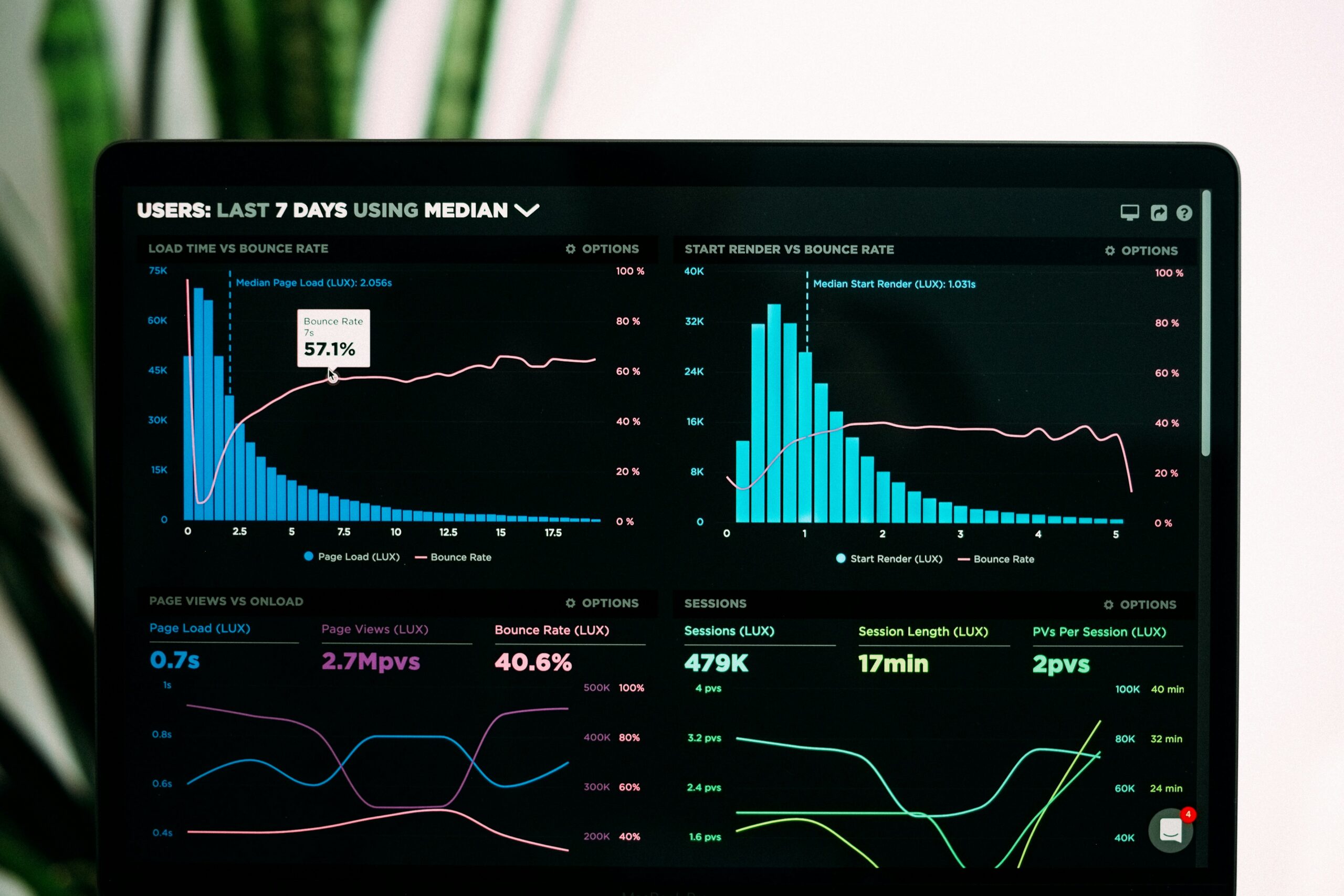
9. Choosing the Right Dashboard Tools
Popular dashboard tools include:
- Google Looker Studio
- Power BI
- Tableau
- HubSpot dashboards
- CRM-integrated analytics platforms
The best tool is one your team understands and uses consistently.
Conclusion
Using data dashboards to improve marketing decisions is about clarity, focus, and action. When dashboards are built around meaningful metrics and aligned with business goals, they empower marketers to respond faster, optimize smarter, and plan with confidence. In a competitive digital landscape, clear insights are a powerful advantage.
References (External Links)
- Harvard Business Review – Making Data-Driven Marketing Decisions
https://hbr.org - Google – Looker Studio and Marketing Analytics
https://developers.google.com - HubSpot – How Marketing Dashboards Improve Performance
https://blog.hubspot.com - Gartner – Analytics and Business Intelligence Insights
https://www.gartner.com - McKinsey – Turning Data Into Marketing Value
https://www.mckinsey.com