
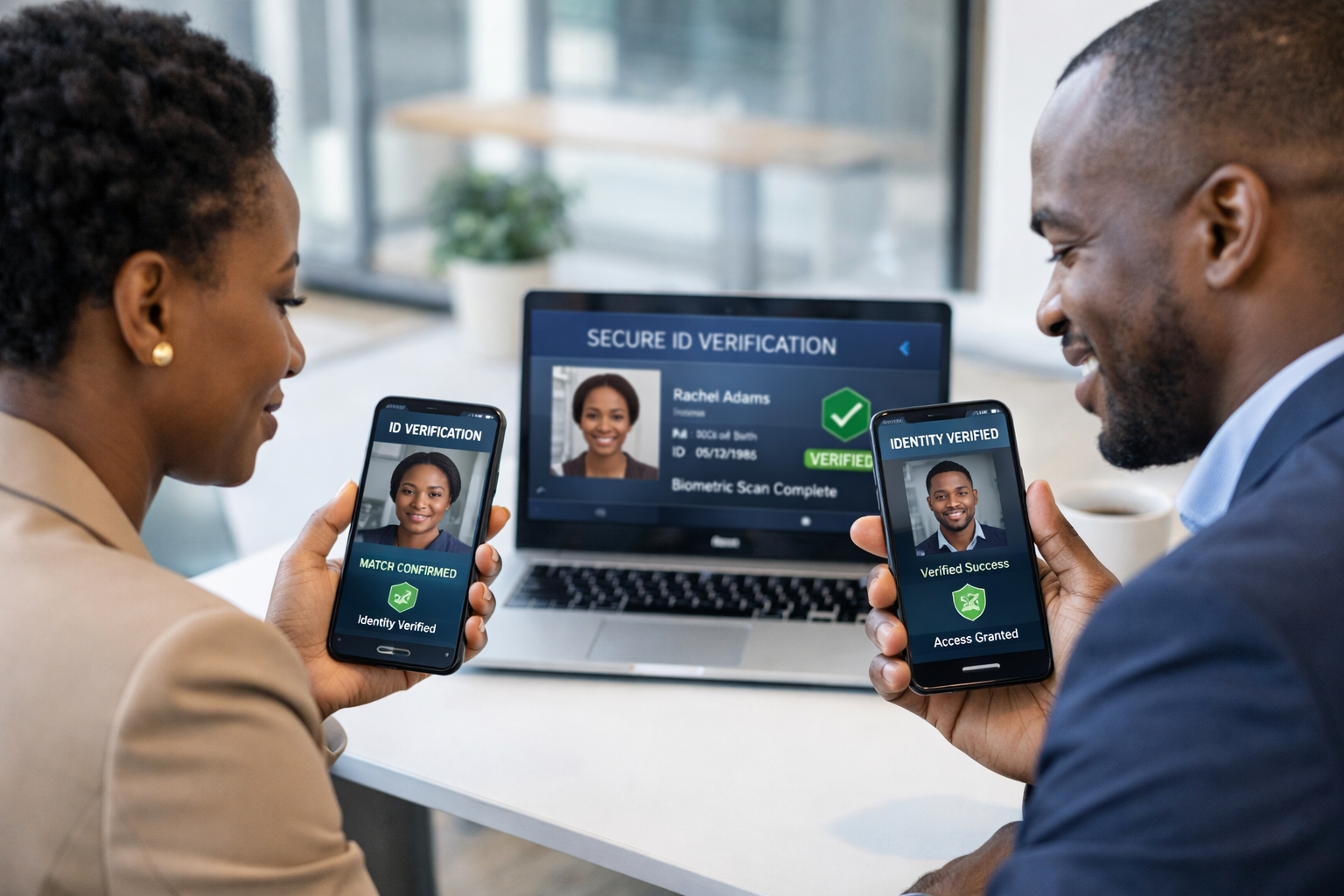
From unlocking smartphones to accessing government services, identity verification is rapidly going digital. Around the world, digital IDs are emerging as a new standard for proving who we are — securely, efficiently, and across borders.
Driven by technological advancement, growing online services, and the need for stronger security, digital identification systems are reshaping how individuals interact with governments, businesses, and the global economy.
1. What Are Digital IDs?
A digital ID is an electronic form of identity that verifies a person’s credentials online or through digital systems.
Digital IDs can include:
- Biometric data (fingerprints, facial recognition)
- Encrypted personal information
- Mobile-based identity apps
- Government-issued digital credentials
They are designed to offer secure, fast, and verifiable identity confirmation without relying on physical documents.

2. The Global Push Toward Digital Identity
Governments and institutions worldwide are adopting digital IDs to modernize public services and reduce inefficiencies.
Key drivers include:
- Rapid digitization of services
- Increased online fraud and identity theft
- Demand for seamless digital experiences
- Growth of remote work and digital economies
- Need for secure cross-border verification
Digital IDs help nations streamline services while improving security.
3. Convenience and Efficiency for Everyday Life
Digital IDs simplify daily interactions.
They allow users to:
- Access government services online
- Open bank accounts remotely
- Verify identity instantly
- Travel with digital credentials
- Sign documents electronically
What once required long queues and paperwork can now be completed in minutes.
4. Improving Financial Inclusion
In many parts of the world, millions of people lack official physical identification.
Digital IDs help by:
- Providing legal identity to underserved populations
- Enabling access to banking and financial services
- Supporting mobile payments and digital wallets
- Reducing barriers to employment and education
This makes digital identity a powerful tool for economic inclusion.

5. Strengthening Security and Fraud Prevention
Traditional ID systems are vulnerable to forgery, loss, and theft.
Digital IDs improve security through:
- Biometric authentication
- Encrypted data storage
- Multi-factor verification
- Real-time fraud detection
These features reduce identity theft and protect both individuals and institutions.
6. The Role of Digital IDs in Global Travel
Digital identity systems are increasingly being tested for:
- Airport security and boarding
- Health verification
- Immigration processing
- Cross-border identification
Digital travel credentials could significantly reduce wait times while improving border security.
7. Privacy and Data Protection Concerns
Despite the benefits, digital IDs raise important questions.
Common concerns include:
- Data privacy and surveillance
- Centralized control of identity data
- Cybersecurity risks
- User consent and transparency
To address these concerns, many systems are being built with:
- User-controlled data access
- Strong encryption standards
- Clear legal and regulatory frameworks
Trust is critical for widespread adoption.

8. Interoperability and Global Standards
For digital IDs to work globally, systems must communicate across borders.
Efforts are underway to:
- Create interoperable identity frameworks
- Align international standards
- Enable cross-platform verification
- Support digital credentials across countries
This interoperability is key to making digital IDs a true global standard.
9. What the Future of Digital Identity Looks Like
Looking ahead, digital IDs may become central to:
- Online authentication
- Financial systems
- Healthcare access
- Education records
- Voting and civic engagement
As adoption grows, digital identity will become a foundational layer of the digital world.
Conclusion
Digital IDs are rapidly becoming a global standard because they offer convenience, security, and inclusion in an increasingly digital society. While challenges around privacy and governance remain, responsible implementation and strong safeguards can ensure that digital identity systems empower individuals rather than restrict them. The future of identity is digital — and it’s already unfolding.
References (External Links)
- World Economic Forum – Digital Identity: A Global Priority
https://www.weforum.org - World Bank – Identification for Development (ID4D)
https://www.worldbank.org/en/programs/id4d - European Commission – Digital Identity Framework
https://digital-strategy.ec.europa.eu - OECD – Digital Identity and Trust
https://www.oecd.org - GSMA – Digital Identity for Development
https://www.gsma.com