
Introduction
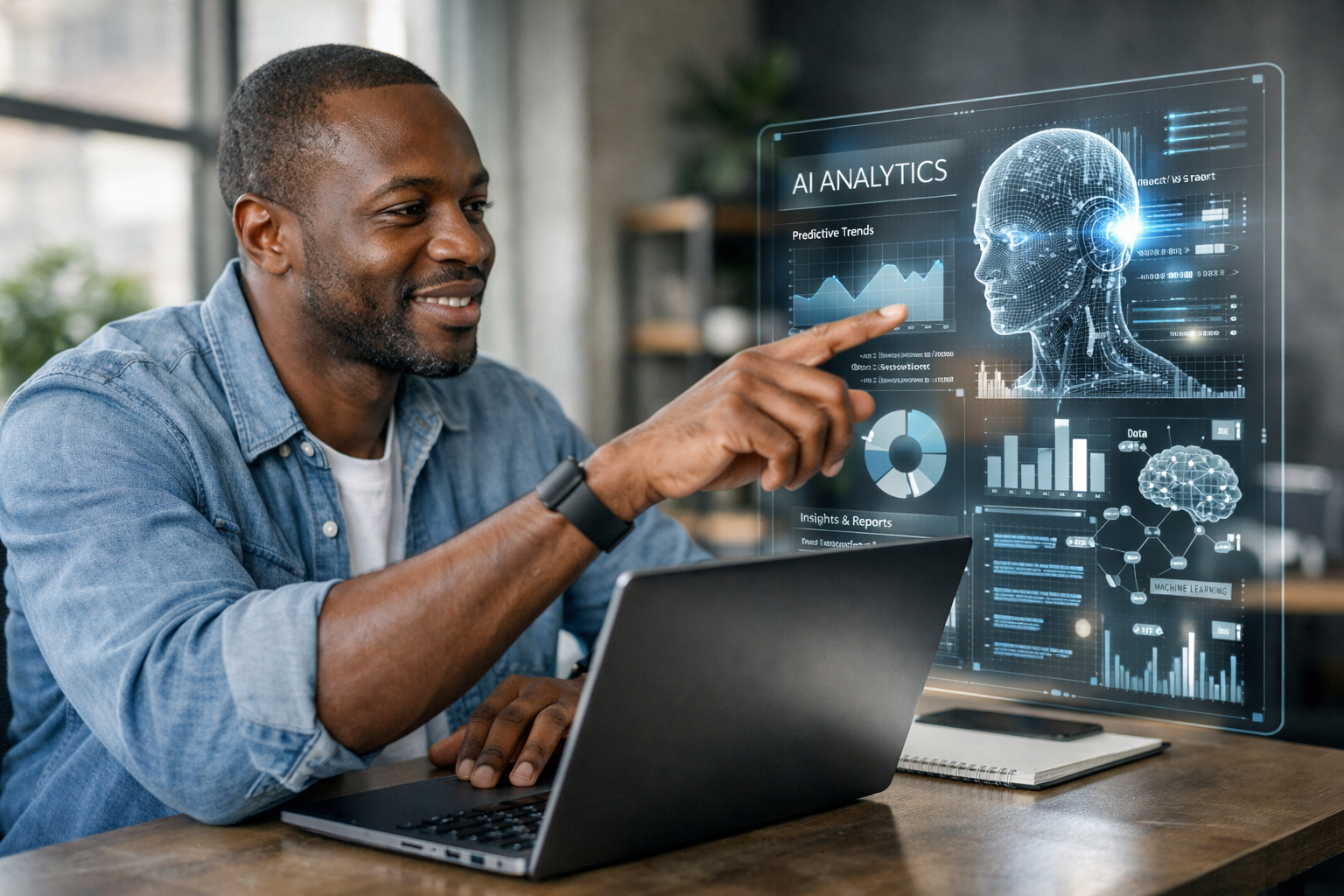
Artificial intelligence is no longer just a tool for automation—it is becoming a collaborative partner in the modern workplace. As AI systems grow more advanced, they are increasingly working alongside humans to enhance productivity, creativity, and decision-making.
The future of work is not about humans versus machines, but about how both can collaborate effectively. Human-AI collaboration combines the strengths of human intelligence—creativity, empathy, and judgment—with the speed, accuracy, and data-processing capabilities of AI.
1. From Automation to Collaboration
Early uses of AI focused primarily on automating repetitive and rule-based tasks. Today, AI is evolving into a partner that supports humans in more complex activities.
Instead of replacing workers, AI is now:
- Assisting with decision-making
- Enhancing creativity
- Providing real-time insights
- Supporting problem-solving
This shift marks a transition from task execution to intelligent collaboration.
2. Enhancing Productivity and Efficiency
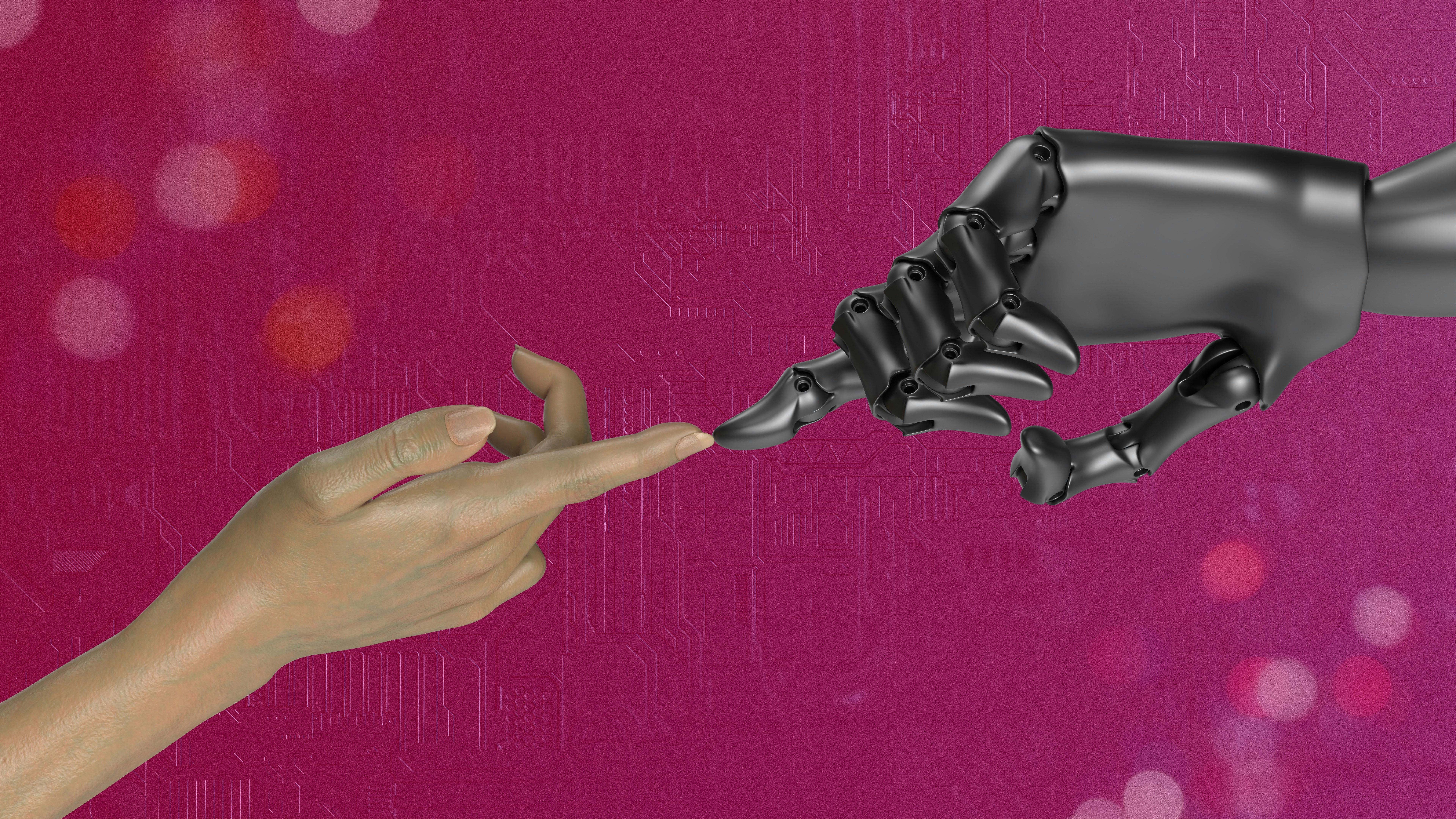
AI systems can process vast amounts of data quickly, allowing humans to focus on higher-value tasks.
In collaborative environments, AI can:
- Analyze data and generate insights
- Automate routine workflows
- Provide recommendations
- Reduce human error
This partnership enables professionals to work more efficiently and make better-informed decisions.
3. Augmenting Human Creativity
AI is increasingly being used in creative industries to support content creation, design, and innovation.
For example, AI tools can:
- Generate content ideas
- Assist in graphic design
- Edit videos and images
- Compose music or suggest creative directions
While AI contributes speed and variation, humans provide originality, context, and emotional depth. Together, they create more impactful outcomes.
4. Improving Decision-Making
Human-AI collaboration enhances decision-making by combining intuition with data-driven insights.
AI can analyze patterns and predict outcomes, while humans:
- Interpret context
- Apply ethical judgment
- Consider long-term implications
This combination leads to more balanced and informed decisions across industries such as healthcare, finance, and marketing.
5. Transforming Workplace Roles
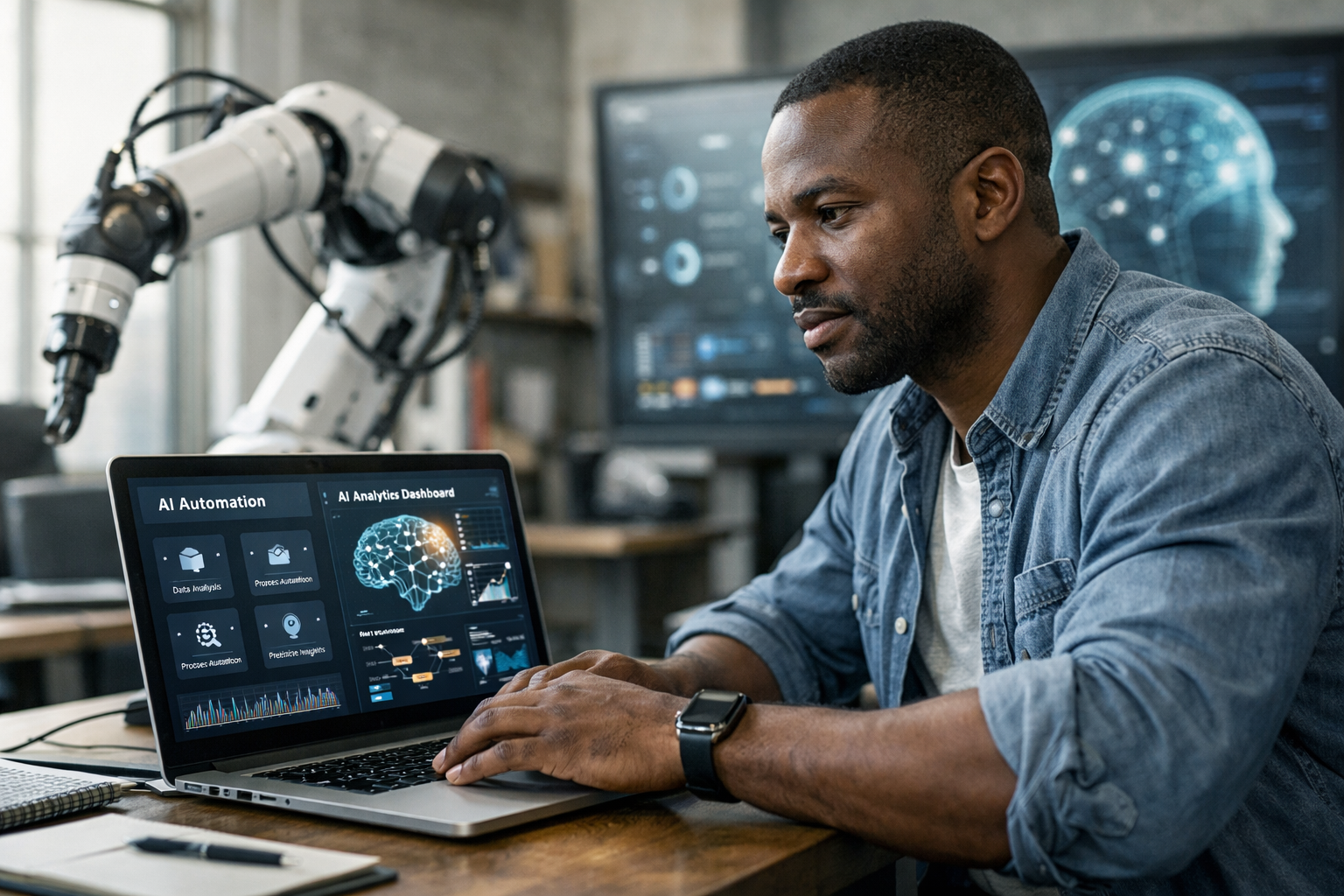
As AI becomes more integrated into daily work, job roles are evolving rather than disappearing.
Employees are increasingly expected to:
- Work alongside AI tools
- Interpret AI-generated insights
- Manage automated systems
- Focus on strategic and creative tasks
This shift requires a blend of technical and human-centered skills.
6. The Importance of Human Skills
In a world of AI collaboration, uniquely human abilities are becoming more valuable.
Key skills include:
- Emotional intelligence
- Critical thinking
- Communication
- Creativity
- Ethical reasoning
These skills complement AI capabilities and ensure effective collaboration.

7. Ethical and Trust Considerations
As AI plays a larger role in decision-making, ethical concerns become more important.
Organizations must address:
- Data privacy and security
- Bias in AI algorithms
- Transparency in AI decisions
- Accountability for outcomes
Building trust in AI systems is essential for successful collaboration.
8. Continuous Learning and Adaptation
The rapid evolution of AI technology requires continuous learning. Professionals must stay updated on new tools, trends, and best practices.
Online platforms such as Coursera and LinkedIn Learning provide resources for developing skills related to AI and digital transformation.
Lifelong learning is key to staying relevant in an AI-driven world.
Conclusion
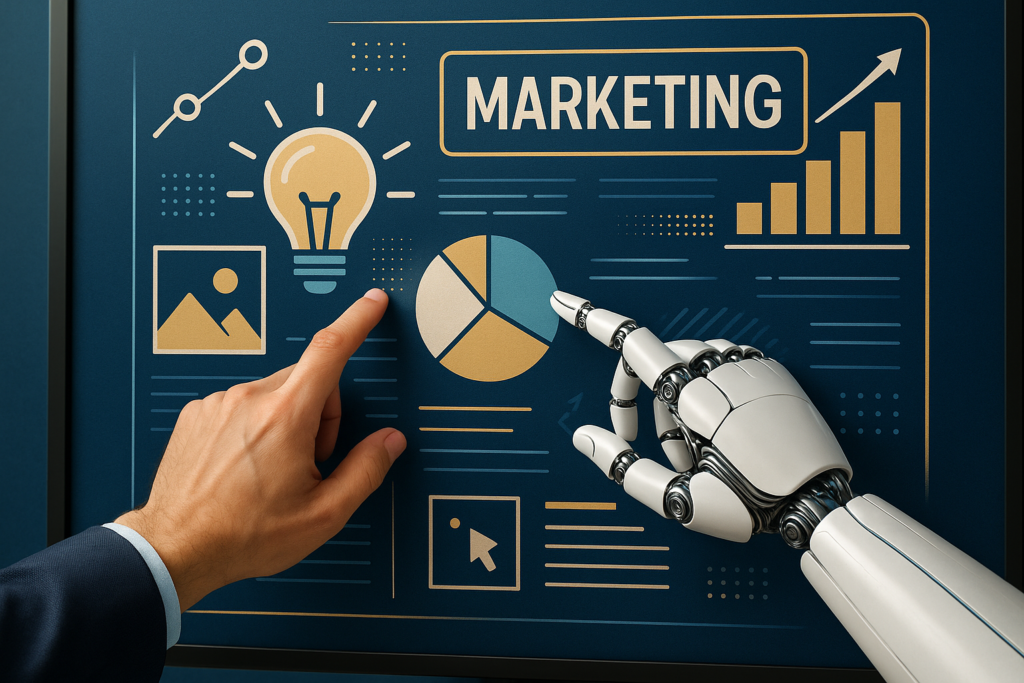
The future of human-AI collaboration is centered on partnership rather than replacement. By combining human creativity, judgment, and empathy with AI’s speed and analytical power, organizations can unlock new levels of productivity and innovation.
As workplaces continue to evolve, success will depend on the ability to adapt, learn, and collaborate effectively with intelligent systems.
In the coming years, the most successful individuals and organizations will be those that embrace AI as a collaborator and leverage its capabilities to enhance human potential.
References
- McKinsey & Company. The Future of Work with AI
https://www.mckinsey.com/featured-insights/future-of-work - Harvard Business Review. Collaborative Intelligence: Humans and AI Are Joining Forces
https://hbr.org/2018/07/collaborative-intelligence-humans-and-ai-are-joining-forces - World Economic Forum. AI and the Future of Jobs
https://www.weforum.org/agenda/archive/artificial-intelligence/ - Deloitte. AI and Human Collaboration in the Workplace
https://www2.deloitte.com/ - PwC. How AI Is Transforming Business and Work
https://www.pwc.com/gx/en/issues/data-and-analytics/artificial-intelligence.html