

Every year, as the calendar flips from December to January, many people experience a renewed sense of motivation and hope. Even without immediate changes in daily life, the New Year carries a powerful psychological effect — it feels like a chance to begin again.
But why does this moment feel so meaningful? The answer lies in how the human mind interprets time, identity, and possibility.
1. The Psychology of “Temporal Landmarks”
The New Year acts as a temporal landmark — a point in time that helps people mentally separate the past from the future.
Temporal landmarks:
- Create a sense of closure for past mistakes
- Help people redefine personal identity
- Make change feel more achievable
This mental reset makes the New Year uniquely powerful.
2. A Natural Moment for Reflection
The end of the year encourages reflection.
People often:
- Review personal wins and failures
- Evaluate habits and priorities
- Consider what they want more — or less — of
Reflection creates awareness, which is the first step toward intentional change.

3. Social Reinforcement and Collective Energy
The New Year is a shared experience.
- Media, social platforms, and conversations focus on renewal
- Goal-setting becomes socially encouraged
- Collective optimism amplifies personal motivation
When everyone is talking about growth, it’s easier to believe change is possible.
4. The “Clean Slate” Effect
Psychologists refer to this feeling as the fresh start effect.
This effect:
- Separates current identity from past behavior
- Reduces guilt linked to previous failures
- Encourages future-oriented thinking
People feel more capable of becoming a “better version” of themselves.
5. Symbolism Over Reality
Nothing physically changes at midnight — yet the symbolism matters.
Humans respond strongly to:
- Rituals and milestones
- Clear beginnings and endings
- Storytelling around new chapters
The New Year provides a powerful narrative reset.
6. Motivation Peaks at Clear Starting Points
Starting feels easier when there’s a defined beginning.
The New Year:
- Removes ambiguity around when to start
- Reduces procrastination driven by indecision
- Makes commitment feel more official
This clarity boosts motivation — even if temporarily.
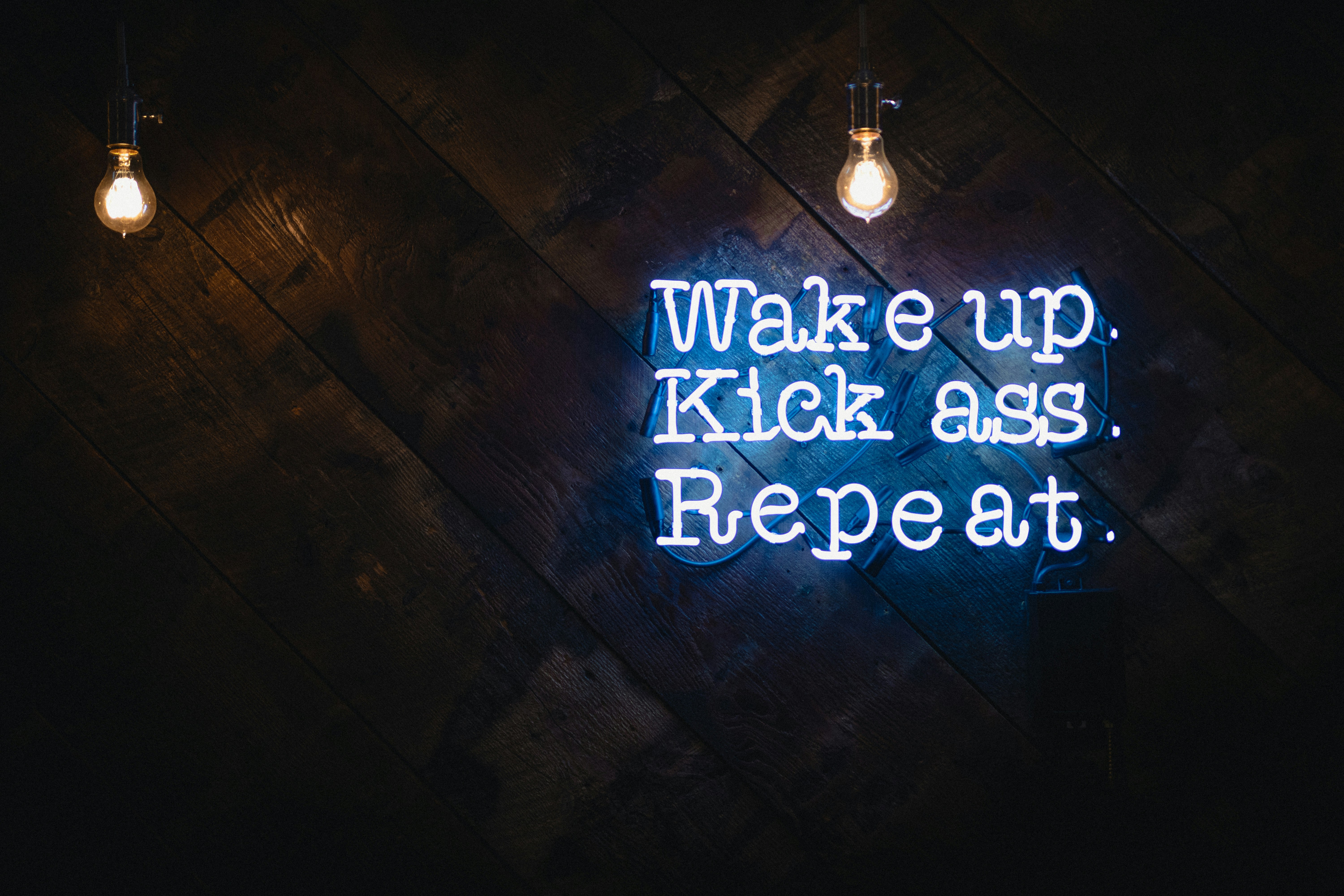
7. Why the Feeling Often Fades
The fresh start feeling doesn’t last without structure.
Common reasons include:
- Overambitious resolutions
- Lack of systems and routines
- Expecting motivation to stay high
Sustainable change requires habits, not just hope.
8. How to Make the Fresh Start Last
To extend the New Year mindset:
- Focus on small, realistic changes
- Build systems instead of relying on motivation
- Revisit goals regularly
- Treat every month as a mini reset
You don’t need a new year to start — but you can use it wisely.
Conclusion
The New Year feels like a fresh start because it aligns with how humans think about time, identity, and possibility. It offers closure, clarity, and collective motivation. When paired with intentional habits and realistic expectations, that feeling can become more than temporary — it can become transformative.
References (External Links)
- Behavioral Science & Policy – The Fresh Start Effect
https://behavioralpolicy.org - Harvard Business Review – How Time Landmarks Motivate Change
https://hbr.org - Psychology Today – Why New Beginnings Feel Powerful
https://www.psychologytoday.com - University of Pennsylvania – Research on Temporal Landmarks
https://knowledge.wharton.upenn.edu - Greater Good Science Center – The Psychology of Change
https://greatergood.berkeley.edu