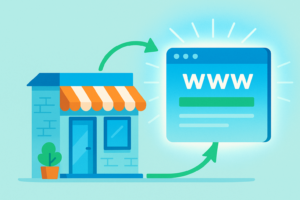

Big brands may have massive marketing budgets, but small businesses have something just as powerful — agility. In today’s digital landscape, smart advertising allows small businesses to reach the right audience, at the right time, with the right message, without overspending.
With the right strategy, small brands can compete effectively and even outperform larger competitors.
1. What Are Smart Ads?
Smart ads use data, automation, and AI to optimize advertising performance.
They rely on:
- Machine learning algorithms
- Audience targeting and segmentation
- Real-time bidding and optimization
- Automated creatives and placements
Smart ads focus on efficiency and relevance rather than sheer budget size.

2. Why Smart Ads Level the Playing Field
Traditional advertising rewards scale. Smart ads reward precision.
Benefits for small businesses include:
- Lower cost per acquisition
- Highly targeted audiences
- Real-time optimization
- Reduced wasted ad spend
Small businesses can focus their budget where it matters most.
3. Hyper-Targeted Audience Segmentation
Smart ads allow businesses to reach niche audiences.
Small businesses can:
- Target by location, behavior, and interests
- Reach past website visitors (retargeting)
- Build lookalike audiences based on customers
- Focus on high-intent users
This precision gives smaller brands a competitive edge.
4. AI-Powered Ad Optimization
AI continuously improves campaign performance.
It helps by:
- Automatically adjusting bids
- Testing multiple creatives
- Optimizing ad placements
- Identifying high-performing segments
Instead of guessing, businesses rely on data-backed decisions.

5. Creative That Feels Human
Authenticity matters more than polish.
Small businesses can win by:
- Using real customer stories
- Showcasing behind-the-scenes content
- Highlighting local presence and values
- Speaking in a genuine, relatable tone
Smart ads amplify authentic messaging rather than replace it.
6. Budget Control and Scalability
Smart advertising platforms allow strict budget management.
- Set daily or lifetime limits
- Scale successful campaigns gradually
- Pause underperforming ads instantly
- Measure ROI clearly
This control reduces risk and maximizes returns.
7. Choosing the Right Platforms
Not every platform suits every business.
Popular smart ad platforms include:
- Google Ads (Search, Display, Performance Max)
- Meta Ads (Facebook & Instagram)
- TikTok Ads (short-form video)
- LinkedIn Ads (B2B targeting)
Choosing platforms aligned with your audience is critical.
8. Measuring Success and Learning Fast
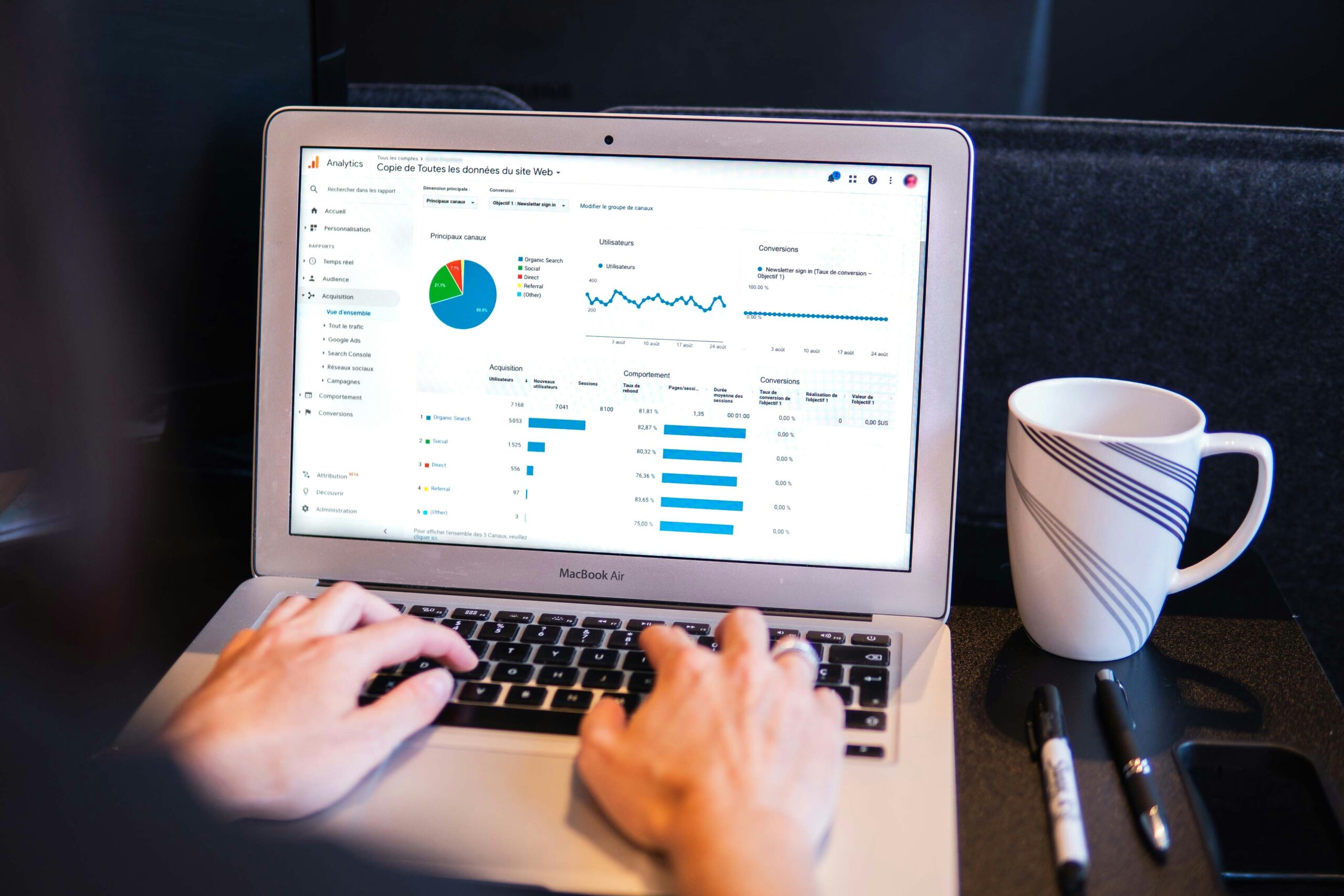
Data is a small business’s secret weapon.
Key metrics to track:
- Conversion rate
- Cost per acquisition
- Return on ad spend (ROAS)
- Engagement and click-through rate
Smart ads allow quick testing, learning, and refinement.
Conclusion
Smart ads empower small businesses to compete with big brands by prioritizing relevance, efficiency, and authenticity over massive budgets. With AI-driven optimization, precise targeting, and human-centered messaging, small businesses can turn limited resources into meaningful results. In the era of smart advertising, strategy beats size.
References (External Links)
- Google – Smart Bidding and AI Advertising
https://ads.google.com - Meta Business – Automated Ads and Targeting
https://www.facebook.com/business - HubSpot – Small Business Advertising Strategies
https://www.hubspot.com - Forbes – How Small Businesses Can Win With Digital Ads
https://www.forbes.com - WordStream – Smart Ads and PPC Optimization
https://www.wordstream.com