
Introduction
Social media has transformed how people communicate, connect, and maintain relationships. Platforms that were once designed to help individuals stay in touch have evolved into powerful ecosystems that influence how we form friendships, express emotions, and perceive intimacy. While social media can strengthen bonds across distances, it can also create emotional gaps in real-life interactions.
Understanding its impact is essential for maintaining healthy and meaningful relationships in a digital age.
1. Strengthening Long-Distance Connections
One of the most positive effects of social media is its ability to bridge geographical gaps.
- Families stay connected across continents.
- Friends maintain bonds despite busy schedules.
- Couples in long-distance relationships communicate daily through video calls and messaging.
Social platforms make it easier to share milestones, memories, and everyday moments. For many, this constant connection reduces feelings of isolation.
However, digital closeness does not always equal emotional depth. Communication quality still depends on intentional effort.

2. The Illusion of Connection
Despite increased connectivity, many people report feeling lonelier than ever.
Scrolling through curated highlights of others’ lives can create:
- Comparison
- Insecurity
- Fear of missing out (FOMO)
When individuals substitute online interactions for real-life presence, relationships may become shallow. Liking posts or reacting to stories does not replace meaningful conversations or shared experiences.
Over time, digital validation can begin to replace authentic emotional engagement.
3. Reduced Face-to-Face Communication
A common challenge in modern relationships is distraction.
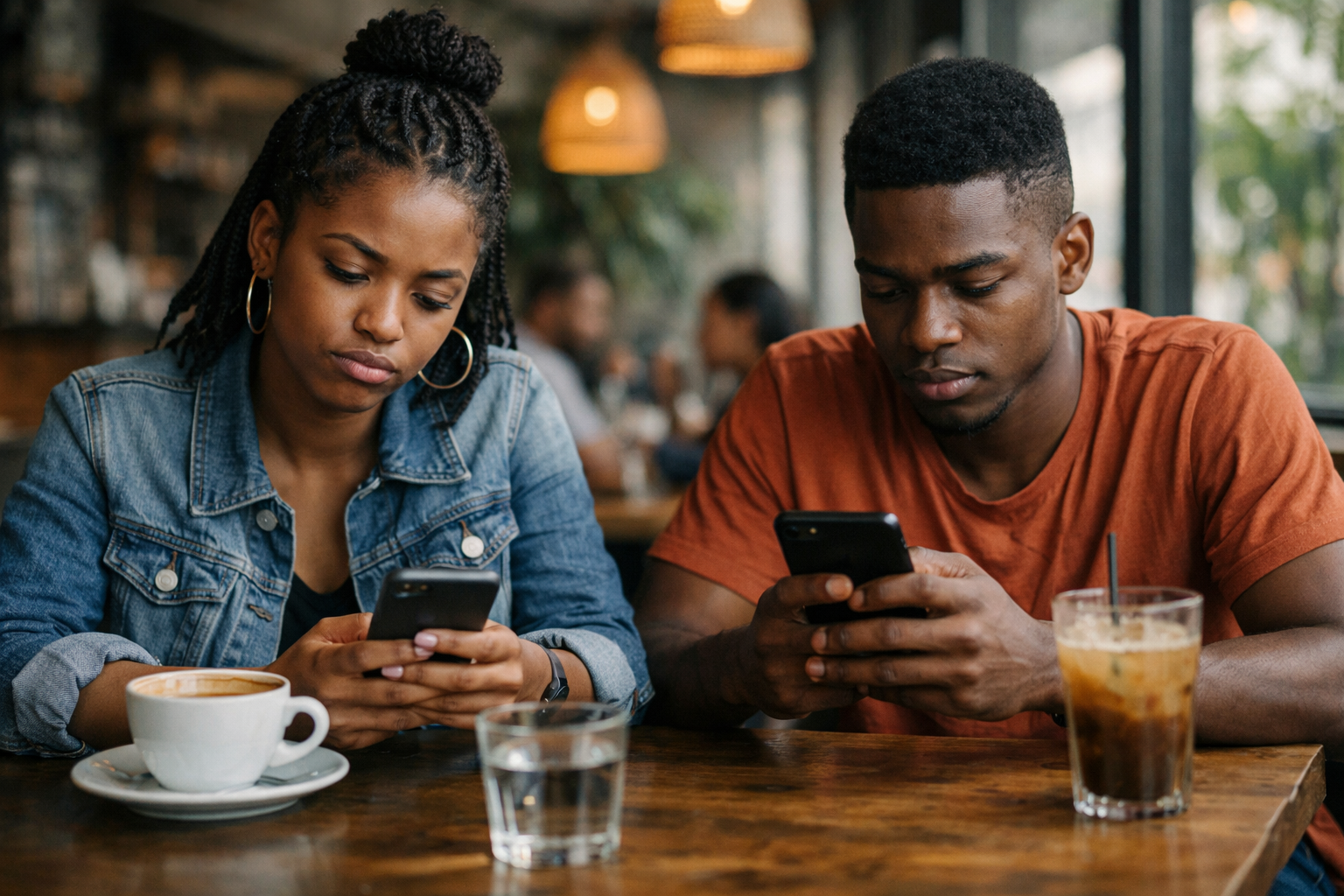
Couples at dinner checking notifications.
Friends sitting together but scrolling separately.
Parents distracted by feeds while children seek attention.
These small interruptions accumulate. Over time, they reduce emotional presence and weaken relational intimacy. Active listening and eye contact are foundational to trust and connection — both can suffer when attention is divided.
4. Increased Conflict and Miscommunication
Text-based communication lacks tone, facial expression, and body language. This can lead to:
- Misinterpretation of messages
- Public disagreements
- Jealousy triggered by online interactions
Social media also introduces new relationship stressors, such as:
- Monitoring partners’ online activity
- Comparing relationships to curated “perfect” couples
- Public validation pressures
When boundaries are unclear, misunderstandings increase.
5. Redefining Social Norms and Expectations
Social media has reshaped what people expect from relationships.
Public displays of affection, anniversary posts, and “relationship goals” content create visible standards. Some individuals measure relationship success by online visibility rather than private fulfillment.
This shift can pressure couples to perform happiness instead of cultivating genuine connection.
6. Mental Health and Relationship Quality
Excessive social media use has been linked to:
- Anxiety
- Depression
- Lower self-esteem
When individuals struggle internally, relationships often reflect that strain. Emotional availability decreases, irritability increases, and conflict becomes more frequent.
Healthy relationships require emotional stability, presence, and empathy — qualities that excessive digital stimulation can disrupt.
7. Creating Healthier Digital Habits
Social media itself is not inherently harmful. The impact depends on how it is used.
Practical strategies include:
- Setting screen-free time during meals or conversations
- Limiting passive scrolling
- Communicating boundaries about online behavior
- Prioritizing face-to-face interactions
- Practicing digital detox periods
When used intentionally, social media can complement relationships rather than compete with them.

Conclusion
Social media has permanently changed how relationships are formed, maintained, and perceived. It offers unprecedented connection but also introduces new challenges that require awareness and discipline.
The key is balance.
Real-life relationships thrive on presence, vulnerability, and shared experiences — elements that no algorithm can replace. By consciously managing digital habits, individuals can ensure that technology enhances their connections instead of weakening them.
References
- Pew Research Center. (2023). Teens, Social Media and Technology 2023.
https://www.pewresearch.org/internet/2023/12/11/teens-social-media-and-technology-2023/ - American Psychological Association. (2023). Social Media and Mental Health.
https://www.apa.org/monitor/2023/09/social-media-mental-health - Primack, B. A., et al. (2017). Social Media Use and Perceived Social Isolation Among Young Adults in the U.S. American Journal of Preventive Medicine.
https://www.sciencedirect.com/science/article/pii/S0749379717302759 - Twenge, J. M. (2019). iGen: Why Today’s Super-Connected Kids Are Growing Up Less Rebellious, More Tolerant, Less Happy. Atria Books.
https://www.simonandschuster.com/books/iGen/Jean-M-Twenge/9781501152016