
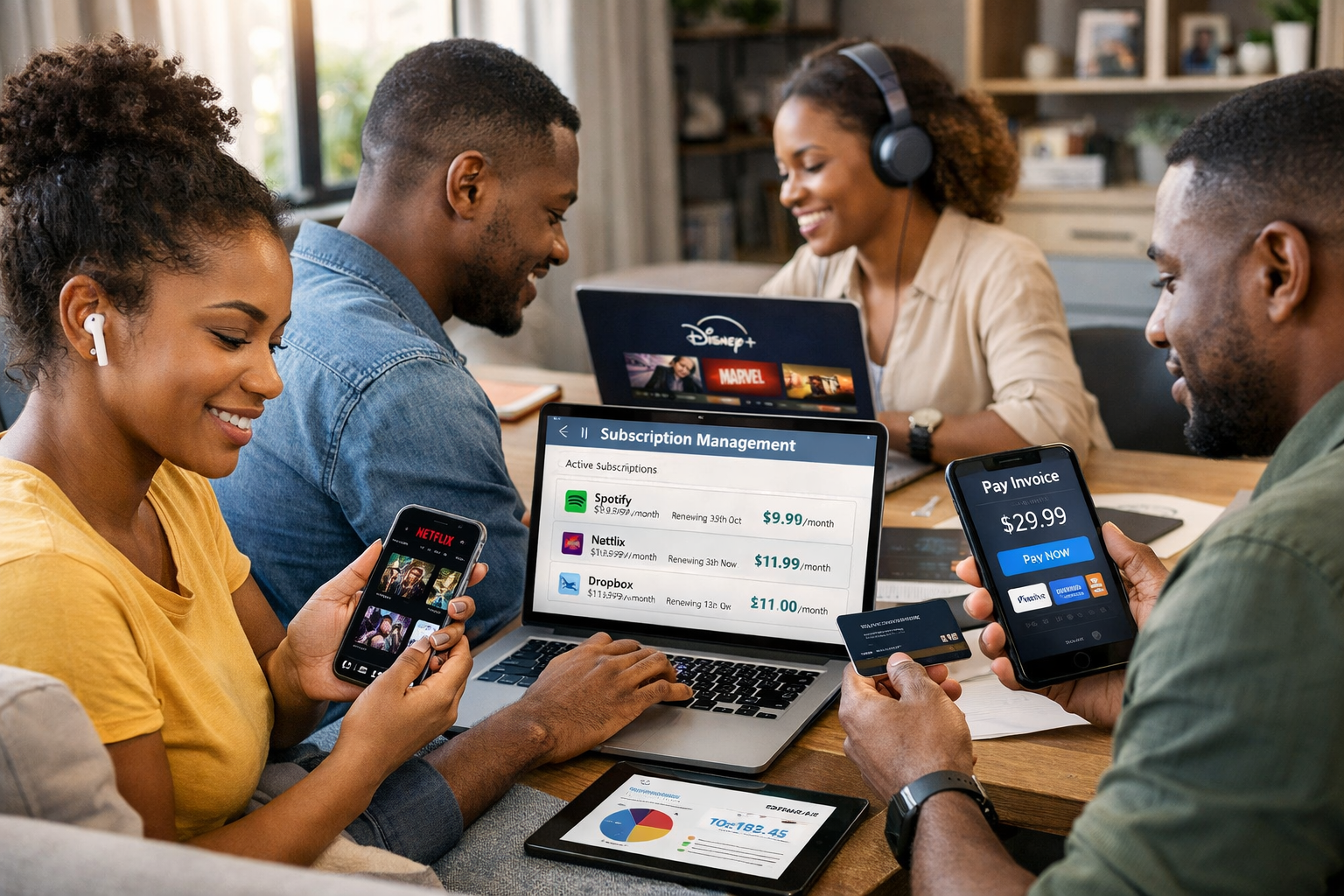
Once limited to magazines and cable TV, subscription services have evolved into a dominant business model across nearly every industry. From entertainment and software to fitness, food, transportation, and even healthcare, subscriptions are reshaping how people buy, use, and value products.
In a world driven by convenience, personalization, and predictable costs, the subscription economy is no longer optional—it’s becoming the norm.
1. What Is Driving the Subscription Boom?
Several factors are accelerating subscription adoption worldwide.
Key drivers include:
- Desire for convenience and simplicity
- Predictable pricing for consumers and businesses
- Personalized, ongoing value
- Digital-first lifestyles
- Stronger customer-brand relationships
Subscriptions reduce friction and decision fatigue, making them attractive to modern consumers.

2. Entertainment Led the Way
Streaming platforms proved the power of subscriptions early.
Industries like:
- Video and music streaming
- Gaming and digital content
- Creator platforms
showed that people are willing to pay recurring fees for access, variety, and continuous updates instead of ownership.
3. Software and Technology as a Service
Software-as-a-Service (SaaS) normalized subscriptions in business.
Benefits include:
- Continuous product improvements
- Scalable pricing tiers
- Easier adoption for small businesses
- Faster innovation cycles
From design tools to accounting software, subscriptions dominate the tech ecosystem.
4. Subscriptions in Everyday Consumer Goods
Even physical products are shifting to recurring models.
Examples include:
- Meal kits and grocery subscriptions
- Beauty and grooming boxes
- Household essentials
- Fashion rental services
Brands benefit from predictable revenue, while consumers enjoy convenience and curated experiences.
5. Health, Fitness, and Wellness Go Recurring
Wellness has embraced subscriptions rapidly.
This includes:
- Digital fitness platforms
- Mental health and meditation apps
- Personalized nutrition plans
- Telemedicine memberships
Ongoing care and habit-building align naturally with recurring models.

6. Transportation and Mobility Services
Ownership is no longer the default.
Subscription-based mobility includes:
- Car subscriptions
- Ride-sharing memberships
- Micromobility services
- Travel and flight passes
These models prioritize access over ownership, especially in urban areas.
7. Why Businesses Love Subscription Models
From a business perspective, subscriptions offer stability.
Advantages include:
- Predictable recurring revenue
- Better demand forecasting
- Deeper customer insights
- Higher lifetime customer value
Subscriptions also encourage long-term engagement rather than one-time transactions.
8. Challenges of Subscription Fatigue
Despite growth, subscriptions come with risks.
Common challenges:
- Consumer fatigue from too many recurring payments
- Churn and cancellation issues
- Pressure to continuously deliver value
- Rising customer acquisition costs
Brands must earn their monthly place in customers’ budgets.
9. The Role of Data and Personalization
Data is the backbone of successful subscriptions.
It enables:
- Personalized recommendations
- Flexible pricing models
- Usage-based plans
- Smarter retention strategies
The better a service adapts to users, the longer they stay subscribed.
10. What the Future of Subscriptions Looks Like
Looking ahead, expect:
- Hybrid ownership + subscription models
- Bundled services across industries
- Greater transparency and flexibility
- AI-driven personalization at scale
Subscriptions will continue evolving—but they’re here to stay.
Conclusion
Subscription services are taking over every industry because they align with modern consumer behavior: convenience, personalization, and ongoing value. For brands, subscriptions offer stability and deeper relationships. For customers, they offer simplicity and access. The businesses that succeed will be those that continuously justify their place in people’s lives.
References (External Links)
- McKinsey – The Future of the Subscription Economy
https://www.mckinsey.com - Harvard Business Review – The Subscription Model Advantage
https://hbr.org - Forbes – Why Subscription Businesses Are Winning
https://www.forbes.com - Zuora – Subscription Economy Index
https://www.zuora.com - Deloitte – Subscription-Based Business Models
https://www.deloitte.com