

Hustle culture glorifies long hours, constant productivity, and the idea that rest is earned—not necessary. While ambition and hard work have value, the pressure to always be “on” can quietly lead to burnout, stress, and declining well-being. Maintaining work-life balance in a hustle-driven world isn’t about doing less—it’s about living better.
Balance is not a weakness; it’s a strategy for sustainability.
1. Understanding Hustle Culture
Hustle culture promotes the belief that success requires constant effort.
Common messages include:
- “Sleep when you’re done”
- “Always be productive”
- “Busy equals successful”
Over time, this mindset can blur boundaries between work and personal life.
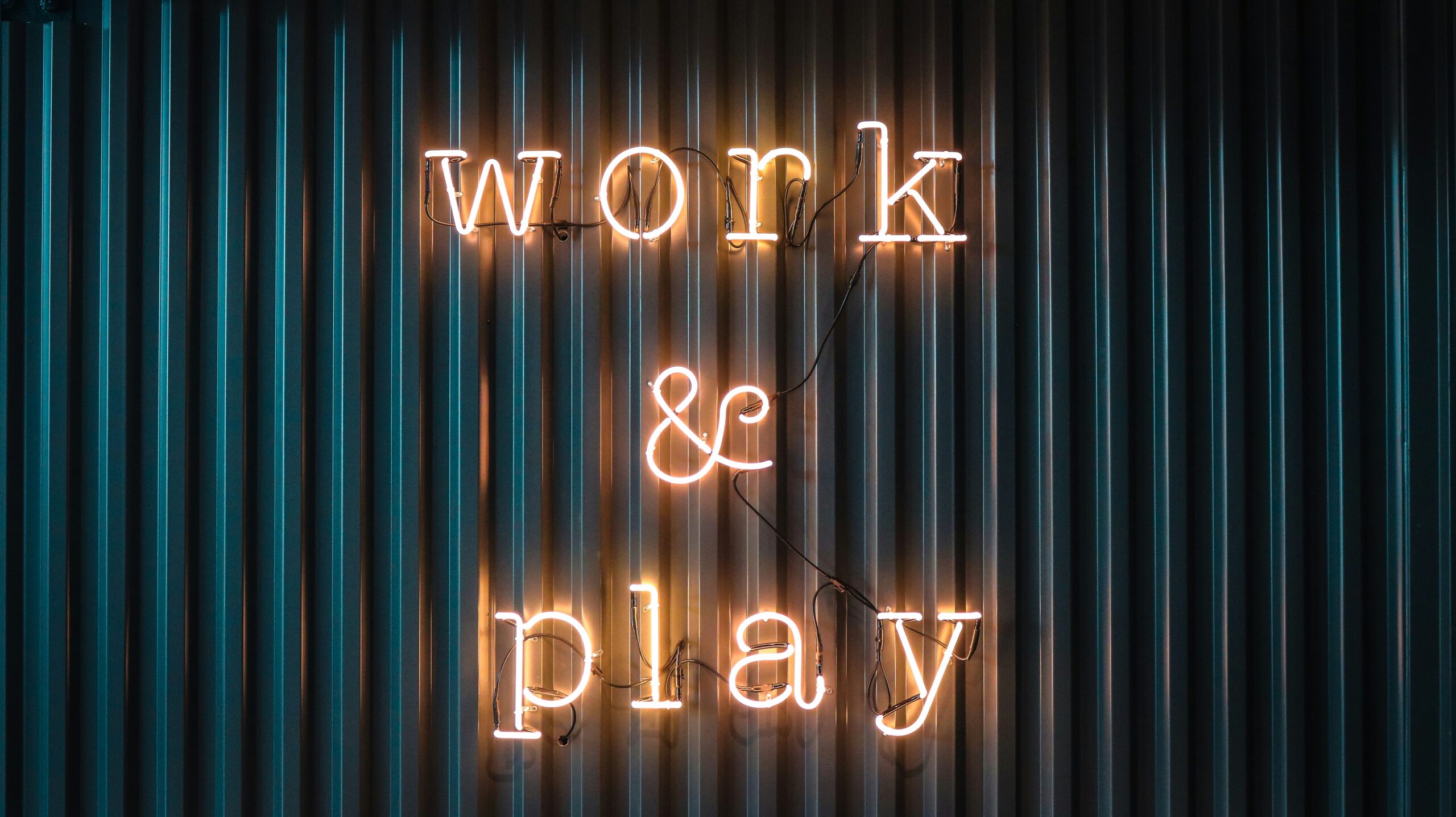
2. Why Work-Life Balance Matters
Balance supports both performance and health.
Without it, people experience:
- Chronic stress
- Reduced creativity
- Mental and physical exhaustion
- Decreased motivation
Sustainable success depends on rest and recovery.
3. Redefine What Productivity Means
Productivity is not about hours—it’s about impact.
Healthy productivity focuses on:
- Quality over quantity
- Meaningful output
- Efficient systems
- Clear priorities
Doing less, better, often leads to better results.
4. Set Clear Boundaries Between Work and Life
Boundaries protect energy and focus.
Practical ways to set boundaries:
- Define work hours
- Turn off non-urgent notifications
- Separate work and personal spaces
- Communicate availability clearly
Boundaries help prevent burnout before it starts.
5. Schedule Rest Like You Schedule Work
Rest should be intentional, not accidental.
This includes:
- Regular breaks
- Time off without guilt
- Sleep prioritization
- Digital downtime
Rest fuels creativity, clarity, and resilience.

6. Learn to Say No Without Apology
Overcommitment is a major cause of imbalance.
Saying no:
- Protects your time
- Preserves energy
- Improves focus
- Prevents resentment
Every “yes” should align with your priorities.
7. Detach Your Self-Worth From Busyness
Hustle culture often equates value with output.
Healthy mindset shifts include:
- You are more than your productivity
- Rest does not reduce worth
- Balance enhances performance
Self-worth should not depend on exhaustion.
8. Use Technology Intentionally
Technology can help—or hurt—balance.
Use it to:
- Automate repetitive tasks
- Improve efficiency
- Enable flexible work
Avoid constant connectivity that removes recovery time.
9. Pay Attention to Burnout Signals
Burnout doesn’t happen overnight.
Warning signs include:
- Chronic fatigue
- Loss of motivation
- Irritability
- Reduced performance
Early awareness allows for timely adjustment.

10. Build a Life, Not Just a Career
Careers evolve—but life happens every day.
A balanced life includes:
- Relationships
- Hobbies
- Health
- Personal growth
Success feels empty without well-being.
Conclusion
In a hustle culture that celebrates overwork, choosing balance is a powerful act of self-respect. Work-life balance doesn’t limit ambition—it sustains it. By setting boundaries, redefining productivity, and prioritizing well-being, you can thrive without burning out. Long-term success belongs to those who protect their energy, not just their schedules.
References (External Links)
- Harvard Business Review – The Burnout Problem
https://hbr.org - World Health Organization – Burnout and Occupational Health
https://www.who.int - American Psychological Association – Work-Life Balance and Stress
https://www.apa.org - Mayo Clinic – Managing Work Stress
https://www.mayoclinic.org - Verywell Mind – Hustle Culture and Mental Health
https://www.verywellmind.com