

Introduction
Life is full of challenges — unexpected setbacks, stress, transitions, and moments that test our inner strength. Yet what separates those who grow from these experiences from those who feel overwhelmed isn’t luck or talent. It’s emotional resilience — the ability to adapt, recover, and rise stronger.
In an era defined by constant change, emotional resilience has become one of the most important skills for thriving personally and professionally. This post explores why resilience matters, how it fuels personal growth, and how you can build it in your everyday life.
1. Understanding Emotional Resilience
Emotional resilience isn’t about avoiding negative emotions or pretending everything is fine. It’s the capacity to:
- Stay grounded during stressful situations
- Bounce back from failure
- Adapt to change
- Keep moving forward even when life becomes difficult
Resilience is a mindset — and like any skill, it can be developed through awareness and practice.
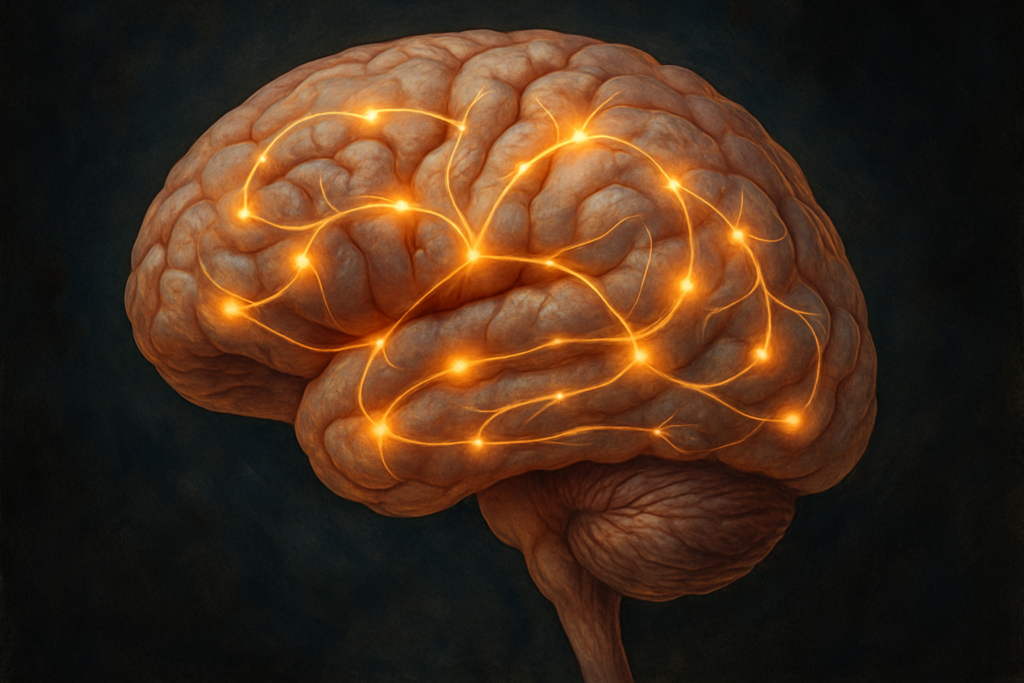
2. The Link Between Resilience and Personal Growth
Every growth journey includes obstacles, discomfort, and uncertainty. Emotional resilience transforms those experiences into opportunities:
- Setbacks become lessons instead of reasons to quit.
- Challenges build confidence rather than fear.
- Failures create insight instead of shame.
- Stress becomes manageable, not overwhelming.
Growth requires stepping outside your comfort zone — resilience is what gives you the strength to do it again and again.
3. What Emotionally Resilient People Do Differently
Resilient individuals aren’t superhuman; they simply practice habits that protect their emotional energy. They:
- View challenges as temporary, not permanent
- Stay flexible instead of rigid
- Practice self-compassion instead of self-criticism
- Maintain perspective under pressure
- Seek support when needed
- Focus on solutions, not problems
These habits don’t eliminate stress — they help you respond to stress with clarity and confidence.
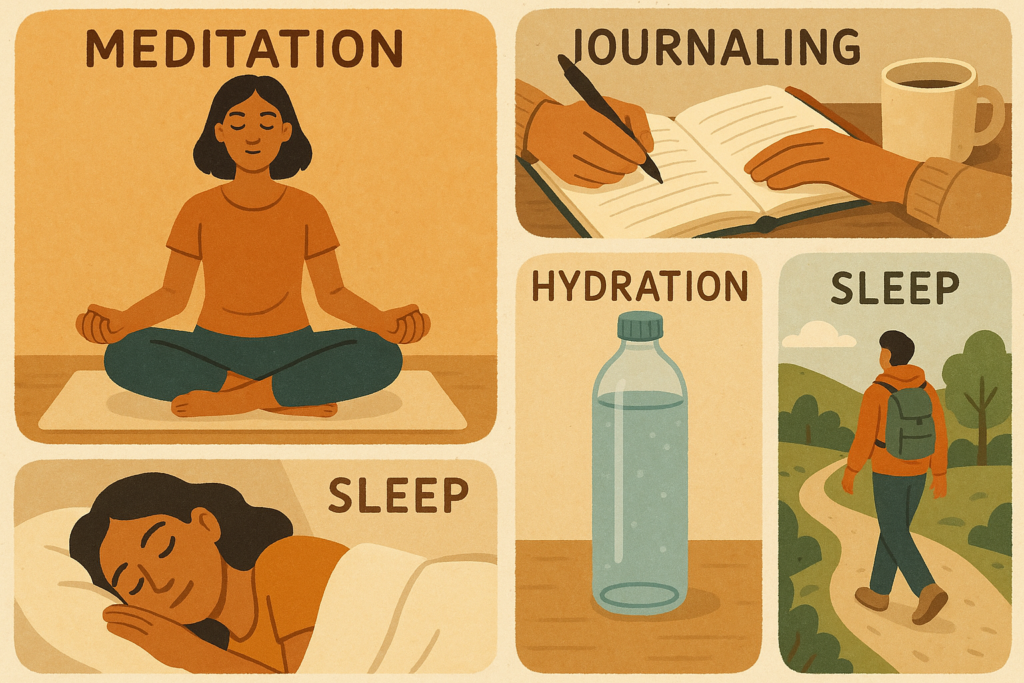
4. How to Build Emotional Resilience
Here are practical ways to strengthen your emotional foundation:
- Develop self-awareness: Understand your emotions and triggers.
- Practice mindfulness: Stay present instead of reacting impulsively.
- Strengthen support systems: Build meaningful relationships.
- Cultivate optimism: Reframe negative thoughts realistically.
- Set healthy boundaries: Protect your mental and emotional space.
- Build problem-solving skills: Break challenges into small, manageable steps.
Small daily habits create long-term emotional strength.
5. Resilience in the Age of Uncertainty
We live in a world filled with rapid change — economic shifts, societal pressures, digital overload. Emotional resilience is no longer optional; it’s essential for:
- Coping with stress
- Navigating transitions
- Maintaining mental wellbeing
- Making good decisions under pressure
- Sustaining motivation even during difficult times
Those who develop resilience are better equipped to handle uncertainty and thrive in a fast-paced world.
6. The True Power of Resilience: Transforming Hardship Into Strength
Resilience doesn’t prevent pain — it transforms it. When you build emotional strength, your challenges become stepping stones instead of roadblocks.
Hard moments become defining moments.
Failures become foundations.
Struggles become strength.
This transformation is the essence of personal growth.

Conclusion
Emotional resilience isn’t about suppressing emotions or staying strong all the time — it’s about learning how to rise, adapt, and stay grounded even when life is difficult. It’s the inner force that pushes you forward, shapes your identity, and fuels your personal evolution.
Build resilience one habit at a time, and you’ll discover that growth isn’t something that happens to you — it’s something you create.
References
American Psychological Association. (2023). Building resilience. Retrieved from https://www.apa.org/topics/resilience
Harvard Health Publishing. (2024). Emotional resilience: How to build it. Harvard Medical School. Retrieved from https://www.health.harvard.edu/
World Health Organization. (2023). Mental health and well-being: Strengthening resilience. Retrieved from https://www.who.int/
National Institutes of Health. (2023). The science of resilience. Retrieved from https://www.nih.gov/
University of California, Berkeley. (2023). Greater Good Science Center: Resilience research. Retrieved from https://greatergood.berkeley.edu/
The Lancet Psychiatry. (2022). Resilience and mental wellbeing in modern society.