
Introduction
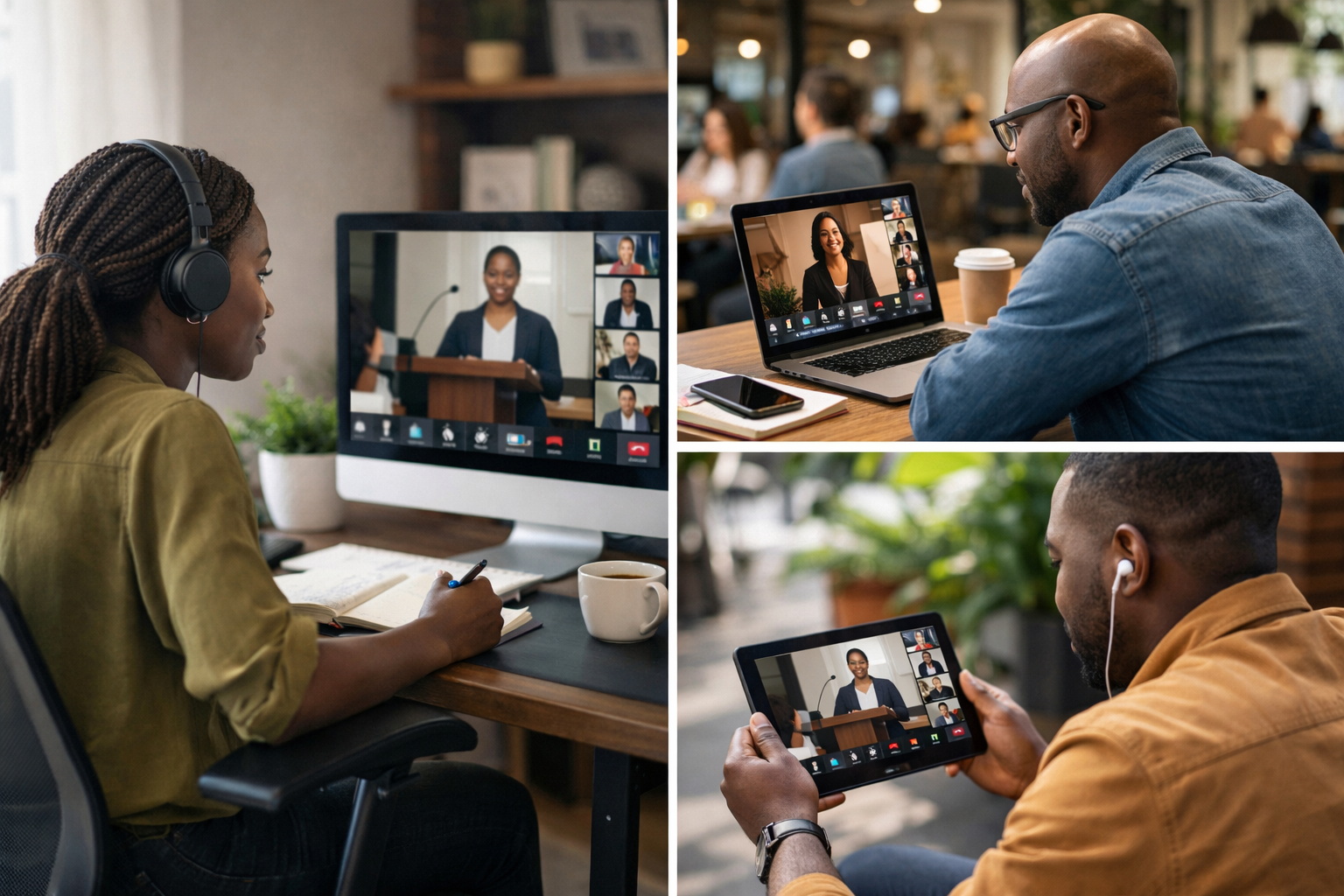
Over the past few years, virtual experiences and digital events have evolved from temporary alternatives into permanent components of global communication. Conferences, concerts, product launches, training sessions, and networking events are no longer confined to physical venues.
Technology has expanded the boundaries of participation, enabling individuals and organizations to connect across continents without geographic limitations. As digital infrastructure improves, virtual experiences are becoming more immersive, interactive, and scalable.
1. The Acceleration of Digital Events
Global disruptions accelerated the adoption of online events, pushing organizations to rethink traditional event models. What began as a necessity quickly revealed unexpected advantages:
- Reduced venue and travel costs
- Increased global attendance
- Flexible scheduling
- On-demand content replay
Virtual events allowed brands to maintain visibility while reaching audiences beyond local markets.

2. Expanding Access and Inclusion
Digital events remove many barriers associated with physical gatherings.
Participants can attend from anywhere with internet access. Individuals who may face mobility, financial, or visa limitations gain opportunities to engage in global conversations.
Platforms such as Zoom and Microsoft Teams have become central to hosting webinars, corporate meetings, and virtual conferences.
This accessibility has reshaped how knowledge is shared and consumed.
3. The Rise of Hybrid Event Models
Rather than replacing physical events entirely, many organizations are adopting hybrid formats — combining in-person experiences with digital participation.
Hybrid events offer:
- Broader audience reach
- Enhanced data tracking and analytics
- Increased sponsorship opportunities
- Greater content longevity through recordings
This blended model ensures that events are both experiential and scalable.
4. Immersive Technologies and Virtual Reality
Virtual experiences are moving beyond simple video streams. Immersive technologies such as virtual reality (VR) and augmented reality (AR) are creating interactive digital environments.
Companies host virtual expos, 3D networking lounges, and interactive product demonstrations. In some cases, attendees navigate digital spaces using avatars, replicating real-world engagement.
These advancements are redefining what “presence” means in an online setting.
5. Data-Driven Engagement
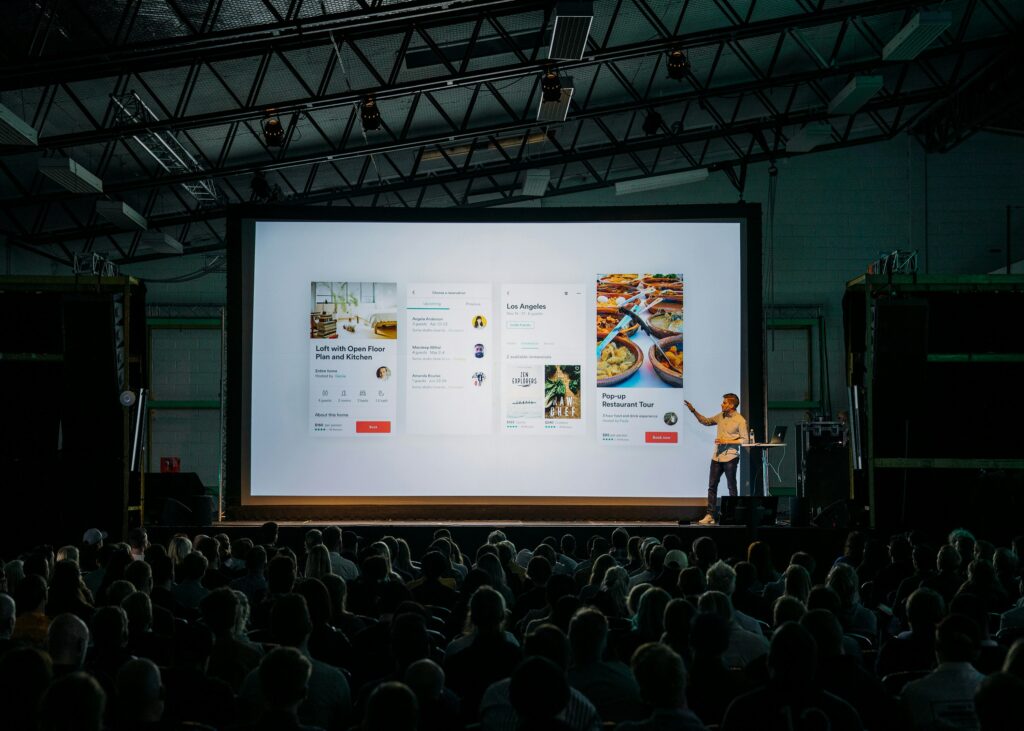
Digital events generate measurable insights that traditional events often lack.
Organizers can track:
- Attendance duration
- Engagement rates
- Poll participation
- Click-through behavior
- Session popularity
This data allows brands to refine strategies and personalize future experiences.
Analytics-driven optimization has become a key advantage of digital event ecosystems.
6. Monetization and New Revenue Models
Virtual experiences have introduced innovative monetization strategies:
- Tiered ticket access
- Subscription-based content
- Sponsored digital booths
- Exclusive member-only sessions
Because digital events reduce logistical costs, profit margins can improve when properly structured.
Content can also be repurposed into online courses, downloadable materials, and ongoing community access.
7. Challenges of Virtual Experiences
Despite their benefits, digital events face limitations:
- Screen fatigue
- Reduced spontaneous networking
- Technical difficulties
- Lower emotional energy compared to live gatherings
Event organizers must focus on interactive elements, structured networking sessions, and dynamic content to maintain engagement.
Conclusion
The growth of virtual experiences and digital events represents a long-term transformation rather than a temporary shift. Technology has expanded access, improved scalability, and introduced new business models.
The future lies in strategic integration — combining physical presence with digital innovation to create flexible, inclusive, and data-driven experiences.
Organizations that embrace this evolution will remain competitive in a world where connection is no longer limited by location.
References
- McKinsey & Company. (2023). The Future of Hybrid Events and Experiences.
https://www.mckinsey.com/capabilities/growth-marketing-and-sales/our-insights - EventMB (Skift Meetings). (2023). Global Virtual Event Trends Report.
https://www.skiftmeetings.com/research/ - Harvard Business Review. (2022). How Hybrid Events Are Redefining Business Engagement.
https://hbr.org/2022/05/how-hybrid-events-are-redefining-business - World Economic Forum. (2023). The Digital Transformation of Events and Experiences.
https://www.weforum.org/agenda/archive/digital-economy