
Introduction
Content consumption has changed dramatically over the past two decades. What once revolved around scheduled television, printed media, and limited access has evolved into an always-on, highly personalized digital experience.
Today, people consume content across multiple platforms, formats, and devices—often within the same day. This shift has not only changed how content is delivered but also how it is created, distributed, and valued.
Understanding these evolving habits is essential for businesses, creators, and marketers aiming to stay relevant in a rapidly changing digital landscape.
1. From Scheduled to On-Demand Consumption
Traditional media followed fixed schedules. Audiences had to tune in at specific times to access content.
Digital platforms have changed this by enabling:
- On-demand streaming
- Anytime access to information
- Personalized viewing experiences
- Control over what, when, and how content is consumed
This shift has given users more control and reduced reliance on traditional broadcasting models.
2. The Rise of Mobile-First Consumption
Smartphones have become the primary device for content consumption.
This has led to:
- Shorter attention spans for certain formats
- Increased use of vertical video
- Frequent, quick content interactions
- Multi-platform usage throughout the day
Content is no longer consumed in one place—it follows users wherever they go.
3. Short-Form Content Dominates Attention
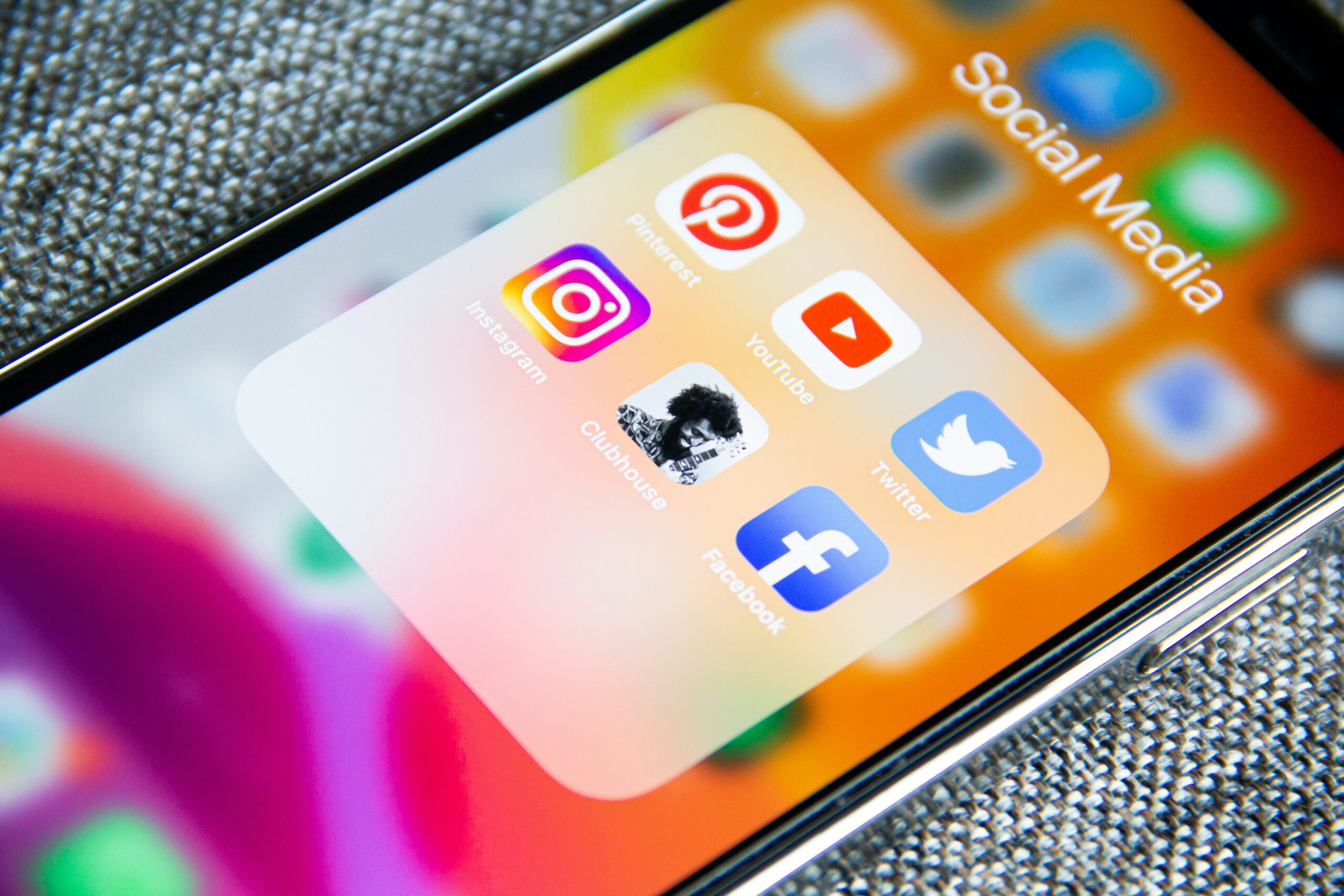
Short-form content has grown rapidly, especially on platforms like TikTok, Instagram, and YouTube.
Key characteristics include:
- Quick, engaging formats
- High visual appeal
- Immediate value delivery
- Easy shareability
Short-form content is designed to capture attention quickly in crowded digital spaces.
4. Long-Form Content Is Still Valuable
Despite the rise of short-form formats, long-form content remains important.
Examples include:
- Blog articles
- Podcasts
- Documentaries
- In-depth videos
- Research-based content
Long-form content supports:
- Deep learning
- Trust building
- Authority and expertise
- Stronger audience relationships
Users often switch between short-form discovery and long-form consumption.
5. Multi-Platform Consumption Is the Norm
Modern audiences do not rely on a single platform.
They move between:
- Social media
- Streaming services
- Search engines
- News websites
- Podcasts and audio platforms
This behavior creates a fragmented but interconnected content ecosystem.
Creators and brands must now think in terms of content distribution across multiple touchpoints.
6. Personalization Is Driving Engagement
Algorithms play a major role in shaping what people see.
Platforms use user behavior to:
- Recommend content
- Prioritize feeds
- Suggest new creators
- Customize experiences
This personalization increases engagement but also narrows content exposure.
Content is no longer just consumed—it is curated by algorithms.
7. Passive vs Active Consumption
Content consumption now exists on a spectrum.
Passive Consumption
- Scrolling social media
- Watching short videos
- Background listening
Active Consumption
- Reading articles
- Watching educational content
- Listening to podcasts with intent
Both forms are important, but they serve different purposes.
Understanding when and how audiences consume content helps improve relevance.

8. The Role of Convenience and Accessibility
Ease of access has become a key driver of consumption.
Factors include:
- Fast-loading content
- Mobile optimization
- Simple navigation
- Offline availability
- Cross-device syncing
The easier content is to access, the more likely it is to be consumed.
Convenience often determines success.
9. Social Influence Shapes Consumption
People increasingly discover content through:
- Recommendations
- Shares
- Influencers
- Online communities
Social validation plays a major role in what people choose to watch, read, or engage with.
Content is no longer consumed in isolation—it is influenced by networks.
10. Attention Is Fragmented
Modern content consumption is often interrupted.
Users may:
- Switch between apps
- Watch while multitasking
- Engage in short bursts
- Divide attention across multiple screens
This fragmentation makes it harder to capture and retain attention.
Content must now compete more aggressively for focus.
11. Content Is Becoming More Interactive
Audiences are no longer just consumers—they are participants.
Interactive content includes:
- Live streams
- Comments and discussions
- Polls and feedback
- User-generated content
- Community engagement
This shift turns content into a two-way experience.
Conclusion
Content consumption habits have evolved from passive, scheduled experiences to dynamic, personalized, and multi-platform interactions. Short-form content dominates attention, while long-form content builds depth and trust.
Mobile access, algorithm-driven personalization, and social influence continue to shape how people discover and engage with content.
For creators and marketers, success now depends on understanding these behaviors and adapting strategies accordingly.
In today’s digital world, content is not just consumed—it is experienced, shared, and shaped by the audience itself.
References
- Deloitte. Digital Media Trends Report
https://www2.deloitte.com - Pew Research Center. Trends in Media Consumption
https://www.pewresearch.org - Think with Google. How People Consume Content Today
https://www.thinkwithgoogle.com - HubSpot. Content Marketing Trends Report
https://blog.hubspot.com - Nielsen. The Future of Media Consumption
https://www.nielsen.com