Artificial intelligence is transforming the way music is created, produced, and consumed. AI tools can now generate melodies, lyrics, instrumentals, vocals, and even complete songs from simple instructions.
For musicians, producers, and music businesses, this technology creates exciting possibilities. At the same time, it raises important questions about creativity, copyright, ownership, and the future role of human artists.
1. What Is AI-Generated Music?
AI-generated music is music created or assisted by artificial intelligence systems.
These tools can analyze patterns in existing music and use them to generate new musical elements, such as:
- Melodies
- Beats and instrumentals
- Lyrics
- Vocal performances
- Harmonies
- Background music
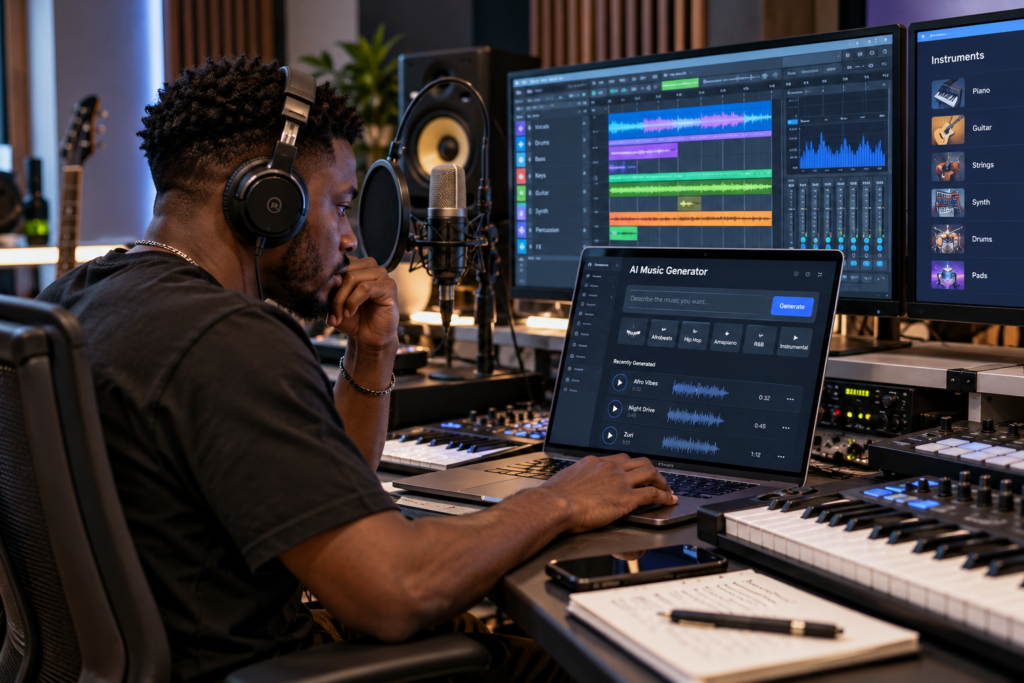
Some platforms allow users to describe the type of song they want and generate music based on that description.
2. Music Creation Is Becoming More Accessible
Producing music traditionally requires knowledge of instruments, recording equipment, music production software, and sometimes a professional studio.
AI tools can reduce some of these barriers.
Someone with limited musical experience can experiment with different sounds and ideas without owning expensive equipment or mastering advanced production techniques.
This could allow more independent creators to explore music production.
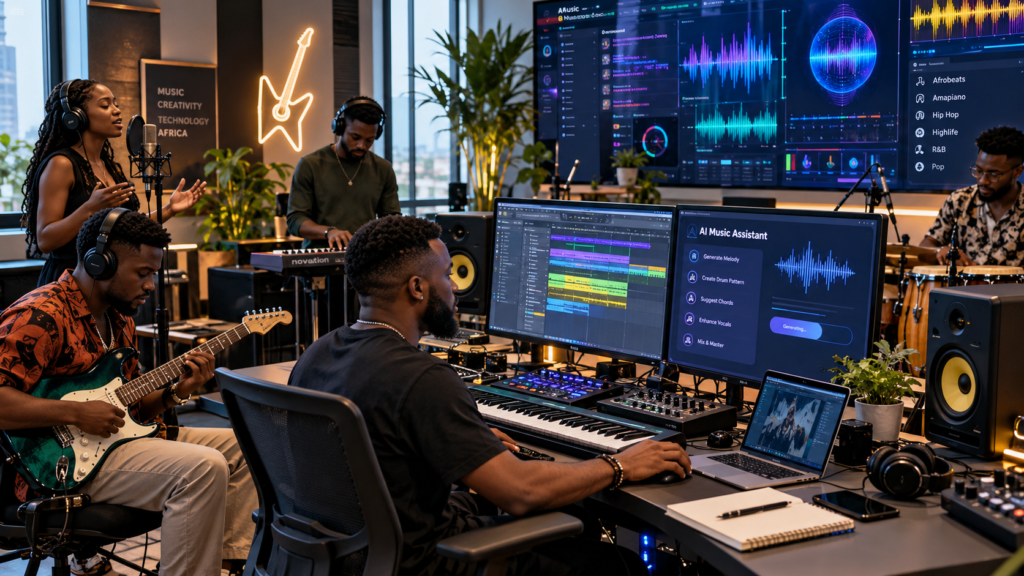
3. Artists Can Use AI as a Creative Assistant
AI does not have to replace the artist.
Musicians can use AI to brainstorm melodies, experiment with arrangements, generate background instrumentals, or explore different musical directions.
An artist might use AI to create an initial idea and then rewrite, record, arrange, and produce the final track themselves.
In this way, AI can become another tool in the creative process.
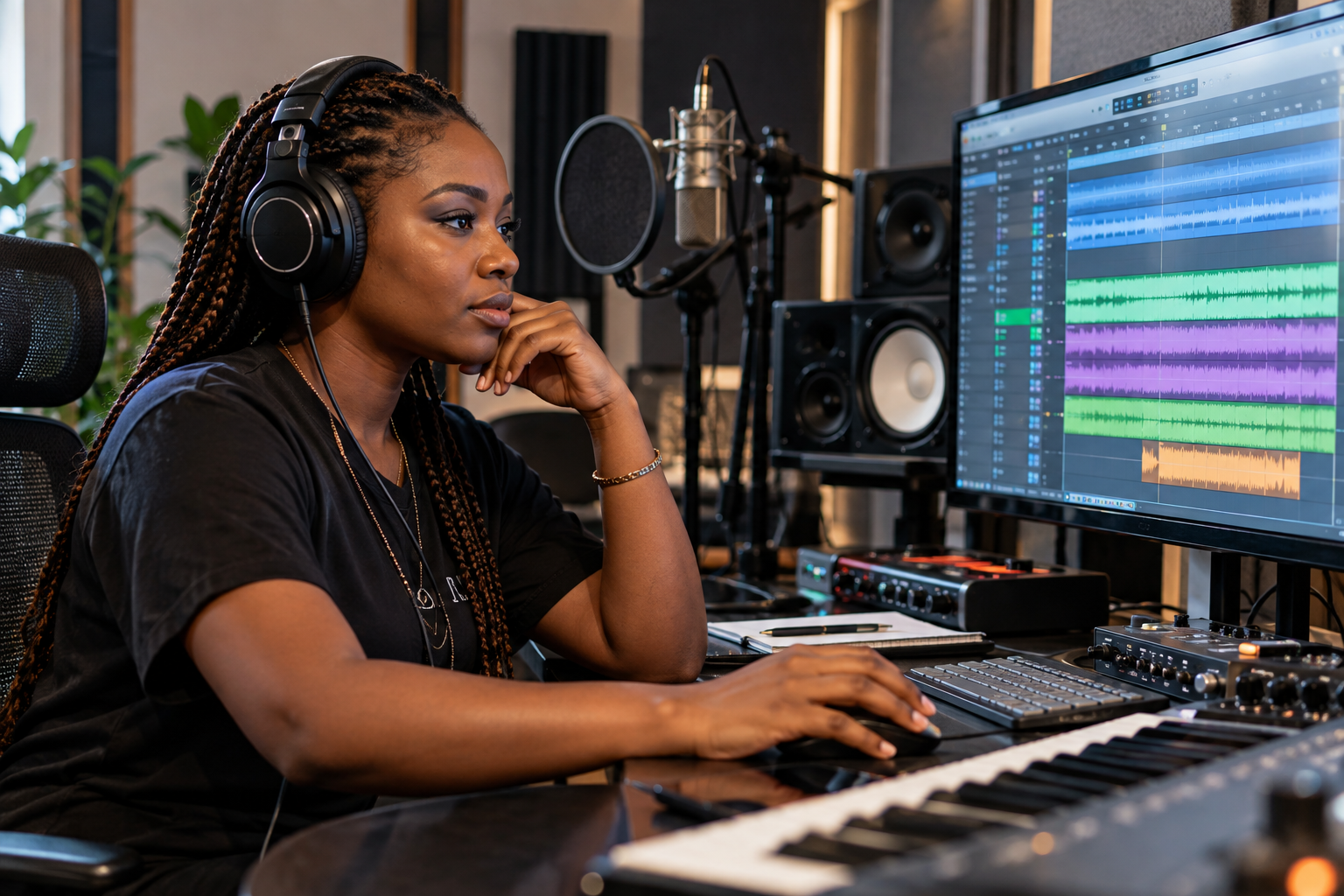
4. AI Is Changing Music Production
AI can automate some technical parts of music production.
For example, AI-powered software can assist with:
- Audio cleanup
- Mixing
- Mastering
- Noise reduction
- Vocal processing
- Instrument separation
This can help independent artists achieve polished results without needing a large production team.
5. New Opportunities for Independent Artists
AI-generated music could make it easier for independent musicians to produce content consistently.
Artists can experiment with different genres, create demos quickly, and develop ideas before investing heavily in a full production.
For content creators, AI-generated background music can also provide new options for videos, podcasts, advertisements, and other digital content.
6. Copyright and Ownership Are Major Questions
One of the biggest challenges surrounding AI-generated music is determining who owns the resulting work.
Questions include:
- Who owns a song created with AI?
- Can copyrighted music be used to train AI systems?
- Should artists receive compensation when their work contributes to AI training?
- Can an AI-generated song receive copyright protection?
The answers depend on the laws, contracts, platform rules, and specific circumstances involved. These issues continue to develop as AI music technology becomes more widespread.
7. Artists Are Concerned About Voice and Style Cloning
AI can potentially reproduce characteristics associated with particular singers and musicians.
This has created concerns about artists’ voices, identities, and creative styles being used without permission.
For musicians, protecting their identity and establishing clear rules around the use of their voice and likeness may become increasingly important.
8. The Future of Music May Be Human and AI
AI-generated music is unlikely to eliminate the need for human creativity entirely.
Music is not only about producing sounds. Artists bring personal experiences, emotions, cultural influences, stories, and individual perspectives to their work.
The future may therefore involve greater collaboration between human artists and AI tools, with technology handling certain production tasks while people remain responsible for creative direction.
Conclusion
AI-generated music is changing the music industry by making creation and production faster and more accessible.
It offers artists new creative tools, but it also introduces difficult questions about copyright, consent, ownership, and artistic identity.
As the technology develops, artists, music platforms, regulators, and audiences will continue to shape how AI fits into the future of music.
The biggest question may not be whether AI can create music, but how humans choose to use it.