

Introduction
Many businesses focus heavily on increasing website traffic to generate more sales, leads, or customers. While attracting more visitors can support growth, it is not always the most efficient way to improve results.
Often, significant gains can be achieved by improving conversion rates—the percentage of visitors who take a desired action such as making a purchase, filling out a form, subscribing to a newsletter, or requesting a quote.
By optimizing the customer experience and removing barriers to action, businesses can generate more value from their existing traffic. Improving conversion rates allows organizations to maximize the return on their marketing efforts without spending additional resources on attracting more visitors.
1. Understand Your Current Conversion Funnel
Before making improvements, it is important to understand how visitors move through the conversion process.
Analyze:
- Landing pages
- Product pages
- Contact forms
- Checkout processes
- Call-to-action buttons
Identify where visitors:
- Leave the website
- Abandon forms
- Exit checkout pages
- Stop engaging
Understanding these points helps uncover opportunities for improvement.
2. Improve Website Loading Speed
Slow websites often reduce conversions.
Visitors expect pages to load quickly, and delays can lead to frustration and abandonment.
Ways to improve speed include:
- Optimizing images
- Reducing unnecessary scripts
- Using content delivery networks (CDNs)
- Improving hosting performance
Faster websites generally provide better user experiences and support higher conversion rates.

3. Create Clear and Compelling Calls to Action
Visitors should immediately understand what action to take next.
Effective calls to action (CTAs) are:
- Clear
- Visible
- Action-oriented
- Relevant to user intent
Examples include:
- “Get Started”
- “Request a Free Quote”
- “Download the Guide”
- “Start Your Free Trial”
Strong CTAs reduce confusion and guide visitors toward conversion.
4. Simplify Forms and Checkout Processes
Complex forms often discourage users from completing desired actions.
To improve conversion rates:
- Reduce unnecessary fields
- Simplify checkout steps
- Enable autofill options
- Minimize required information
The easier the process, the more likely visitors are to complete it.
Reducing friction is one of the most effective conversion optimization strategies.
5. Build Trust and Credibility
Trust plays a major role in purchasing and decision-making behavior.
Businesses can build trust through:
- Customer testimonials
- Reviews and ratings
- Case studies
- Security badges
- Clear contact information
- Transparent policies
When visitors feel confident in a business, they are more likely to convert.
Trust reduces perceived risk.
6. Optimize Landing Pages
Landing pages should focus on a single objective.
Effective landing pages typically include:
- Clear headlines
- Strong value propositions
- Relevant visuals
- Concise messaging
- Prominent CTAs
Removing distractions and maintaining focus can improve conversion performance.
Every element should support the desired action.
7. Improve Mobile User Experience
A large percentage of web traffic now comes from mobile devices.
Businesses should ensure that:
- Pages load quickly on mobile
- Navigation is easy
- Forms are mobile-friendly
- Buttons are easy to tap
- Content is readable on smaller screens
Poor mobile experiences often lead to lower conversion rates.
Mobile optimization is essential for modern digital marketing.
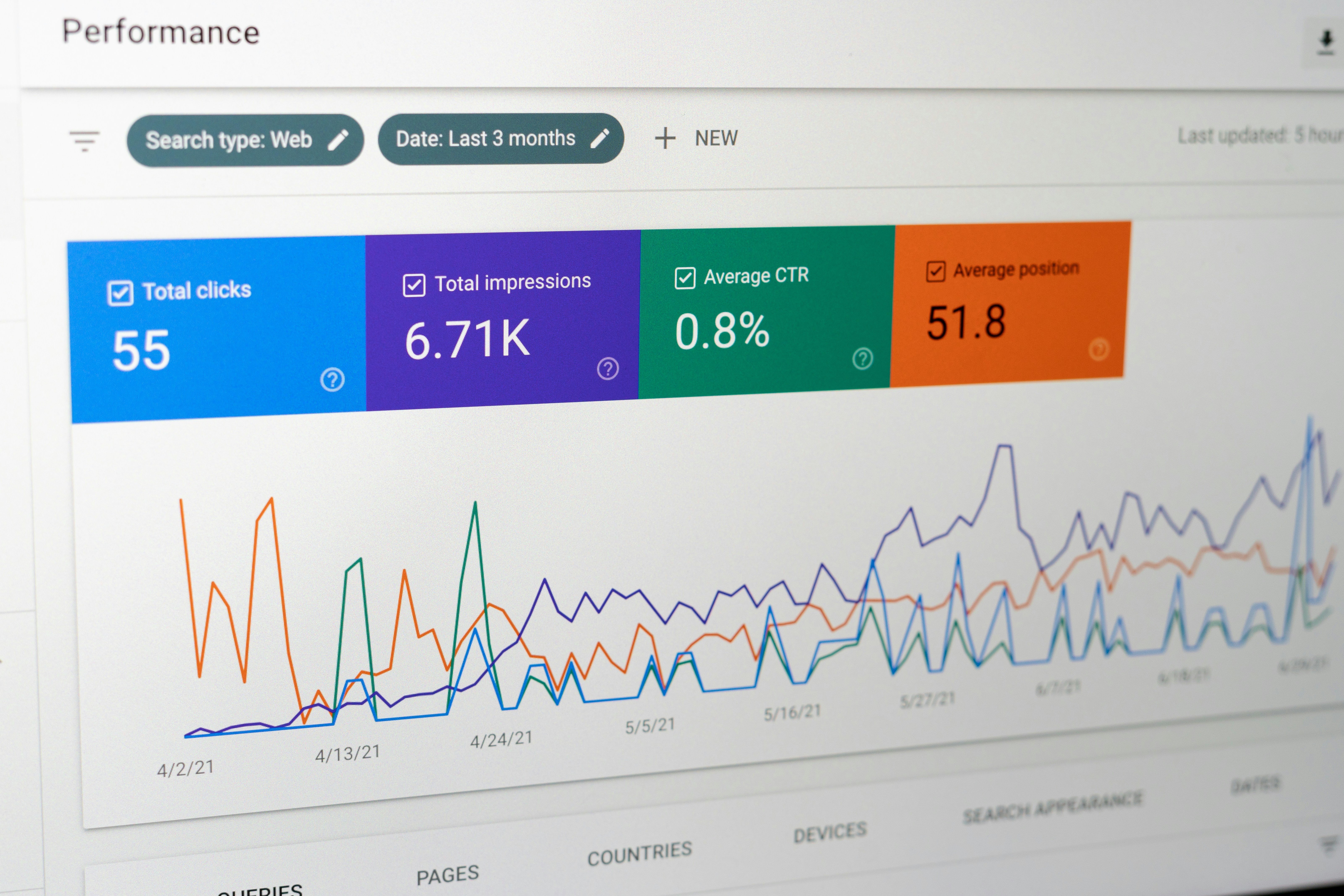
8. Use Data and Analytics
Analytics provide valuable insight into visitor behavior.
Key metrics to monitor include:
- Conversion rates
- Bounce rates
- Session duration
- Cart abandonment rates
- Click-through rates
Data helps identify what is working and where improvements are needed.
Conversion optimization should be guided by evidence rather than assumptions.
9. Conduct A/B Testing
A/B testing compares different versions of a page or element to determine which performs better.
Businesses can test:
- Headlines
- CTA buttons
- Images
- Page layouts
- Form designs
- Product descriptions
Small changes can sometimes produce significant improvements.
Continuous testing helps refine the customer experience over time.
10. Personalize the User Experience
Personalization can increase relevance and engagement.
Examples include:
- Product recommendations
- Personalized offers
- Dynamic content
- Location-based messaging
- Behavior-based suggestions
When visitors see content that matches their interests or needs, they are more likely to take action.
Relevance often improves conversion performance.
11. Reduce Visitor Uncertainty
People often hesitate when important questions remain unanswered.
Businesses can address concerns by providing:
- Frequently asked questions
- Detailed product information
- Pricing transparency
- Customer support options
- Clear return policies
Reducing uncertainty helps visitors feel more comfortable making decisions.
Clarity supports confidence.
12. Focus on Continuous Optimization
Conversion rate optimization is not a one-time project.
Consumer behavior, technology, and market conditions continue to evolve.
Businesses should regularly:
- Review analytics
- Test new ideas
- Gather customer feedback
- Improve user experiences
Continuous optimization helps maintain strong performance over time.
Small improvements can compound into significant long-term gains.
Conclusion
Improving conversion rates without increasing traffic is often one of the most cost-effective ways to grow a business. By optimizing website performance, simplifying user experiences, building trust, and using data-driven strategies, organizations can generate more leads, sales, and customer actions from existing visitors.
Rather than focusing solely on attracting more traffic, businesses should also focus on maximizing the value of the traffic they already have. In many cases, better conversion rates can deliver substantial growth without additional marketing spend.
Ultimately, success comes from understanding customer needs and creating experiences that make taking action as simple and appealing as possible.
References
- HubSpot — Conversion Rate Optimization Best Practices
HubSpot - Google Analytics — Understanding User Behavior and Conversions
Google Analytics - Optimizely — A/B Testing and Conversion Optimization Strategies
Optimizely - Nielsen Norman Group — Improving User Experience for Higher Conversions
Nielsen Norman Group - ConversionXL (CXL) — Research-Based Conversion Rate Optimization Insights
CXL