

Introduction
Artificial intelligence (AI) is rapidly changing many industries, and healthcare is one of the areas where its impact could be particularly significant. From analyzing medical images to supporting administrative tasks and helping researchers identify potential treatments, AI is becoming an increasingly important tool across healthcare systems.
AI does not simply mean replacing healthcare professionals. In many applications, it is being developed to assist doctors, nurses, researchers, and other professionals by processing large amounts of information, identifying patterns, and supporting more efficient decision-making.
As AI technology continues to develop, its role in healthcare is expected to expand. However, responsible implementation, patient privacy, safety, and human oversight remain essential.
1. What Is AI in Healthcare?
AI in healthcare refers to the use of artificial intelligence technologies to support healthcare-related tasks and services.
Applications can include:
- Medical image analysis
- Clinical decision support
- Patient monitoring
- Drug discovery
- Administrative automation
- Health research
AI systems can process large amounts of information and identify patterns that may be difficult to detect manually.
Technology can support healthcare professionals in making more informed decisions.

2. AI Can Support Medical Diagnosis
One of the most promising applications of AI is assisting with the analysis of medical information.
AI systems can help analyze:
- Medical images
- Laboratory results
- Patient records
- Clinical data
- Other diagnostic information
In some settings, these tools can help healthcare professionals identify patterns and prioritize cases for further review.
AI can complement professional judgment rather than replace it.
3. Medical Imaging Is Becoming More Advanced
Medical imaging produces large amounts of visual information that healthcare professionals must carefully examine.
AI can assist with analyzing:
- X-rays
- CT scans
- MRI images
- Ultrasound images
- Other diagnostic scans
These systems can help identify potential abnormalities and support clinicians during image interpretation.
Human expertise remains important when interpreting AI-generated results.
4. AI Is Supporting Drug Discovery
Developing new medicines can require significant amounts of time and research.
AI can help researchers analyze large datasets to:
- Identify potential drug candidates
- Study biological relationships
- Predict molecular behavior
- Explore potential treatments
- Support clinical research
By processing information more efficiently, AI may help researchers explore possibilities that would otherwise take much longer to investigate.
Technology is accelerating parts of the research process.
5. Personalized Healthcare Is Expanding
Healthcare is increasingly moving toward more personalized approaches.
AI can analyze information such as:
- Medical history
- Test results
- Treatment responses
- Lifestyle information
- Genetic data
This may help healthcare professionals develop more individualized approaches to patient care.
Personalization can support more informed healthcare decisions.
6. AI Can Improve Administrative Efficiency
Healthcare involves many administrative responsibilities that can consume significant amounts of staff time.
AI-powered tools can assist with:
- Scheduling
- Documentation
- Data organization
- Patient communication
- Administrative workflows
Automating routine tasks can allow healthcare professionals to spend more time focusing on patient care.
Efficiency can improve both staff productivity and patient experiences.

7. Remote Patient Monitoring
AI can also support healthcare outside traditional clinical settings.
Connected devices can collect information such as:
- Heart rate
- Blood pressure
- Activity levels
- Other health-related measurements
AI systems can help analyze this information and identify patterns that may require attention.
Remote monitoring can support more continuous healthcare management.
8. AI Is Supporting Healthcare Research
Healthcare generates enormous amounts of data.
Researchers can use AI to analyze information from:
- Clinical studies
- Medical databases
- Scientific publications
- Public health records
- Genomic research
This can help researchers identify patterns, generate hypotheses, and accelerate scientific discovery.
Better analysis can lead to new healthcare insights.
9. AI Can Improve Patient Experiences
AI-powered tools can make certain healthcare services more accessible and convenient.
Examples include:
- Digital health assistants
- Appointment systems
- Automated reminders
- Information tools
- Virtual support services
These applications can help patients access basic information and navigate healthcare systems more easily.
Technology can improve convenience without replacing human care.
10. Challenges and Ethical Concerns
The growth of AI in healthcare also raises important concerns.
These include:
- Patient privacy
- Data security
- Algorithmic bias
- Accuracy and reliability
- Transparency
- Accountability
AI systems must be carefully evaluated before being used in sensitive healthcare settings.
Safety and patient welfare must remain the priority.
11. The Importance of Human Oversight
Healthcare decisions can have significant consequences, making human oversight essential.
Healthcare professionals should be able to:
- Review AI recommendations
- Identify potential errors
- Consider individual patient circumstances
- Explain decisions to patients
- Apply professional judgment
AI works best when it supports qualified professionals rather than operating without appropriate oversight.
Human expertise remains central to healthcare.
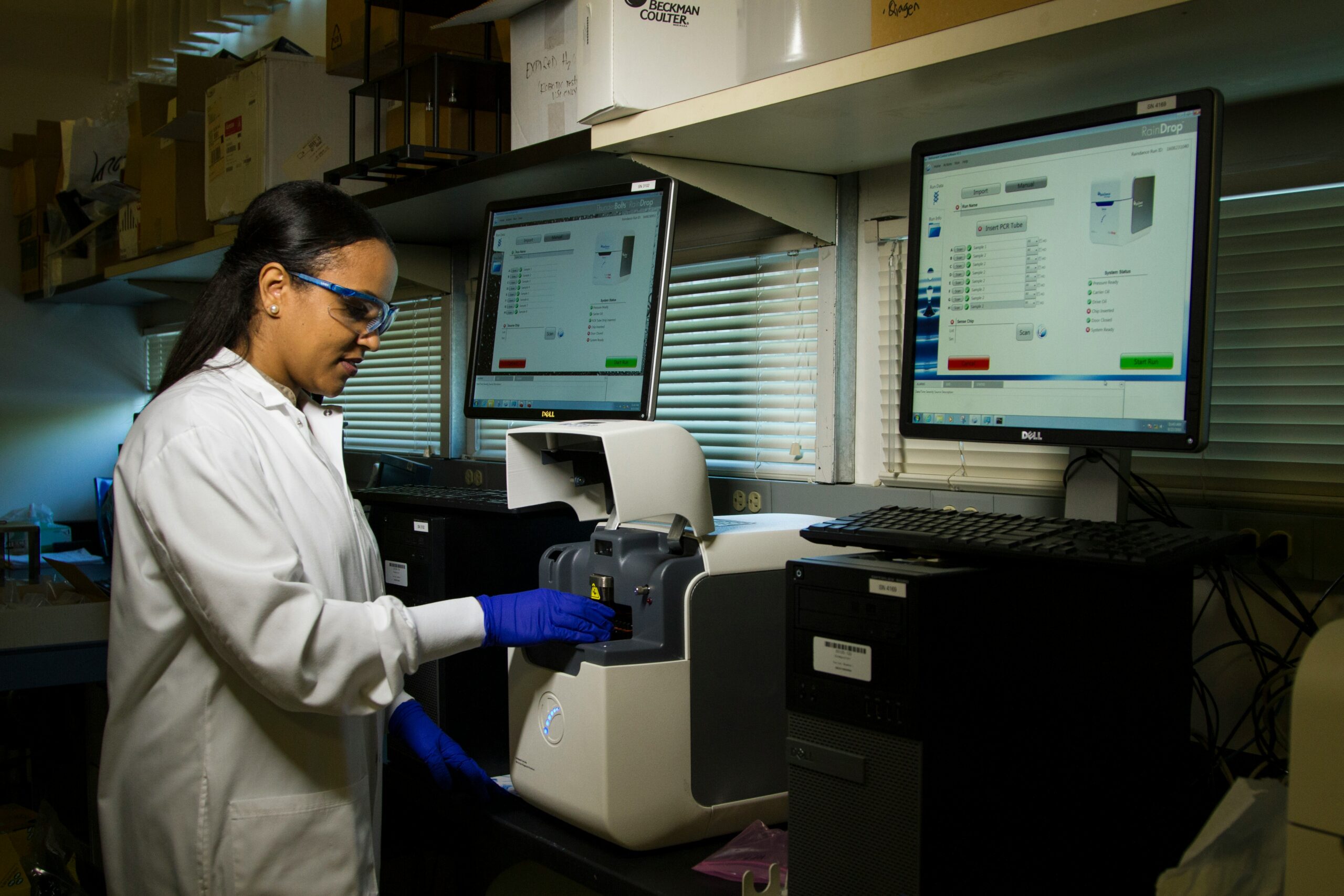
12. The Future of AI in Healthcare
As AI technology develops, its healthcare applications may continue to expand.
Future developments could include:
- More advanced clinical decision-support systems
- Improved medical imaging analysis
- Faster drug discovery
- More personalized treatments
- Smarter healthcare administration
- Greater use of AI-assisted research
The future will likely involve collaboration between healthcare professionals and increasingly sophisticated AI tools.
Responsible innovation will determine how valuable these technologies become.
Conclusion
The rise of AI in healthcare is transforming how medical information is analyzed, how research is conducted, and how healthcare services are delivered. AI can improve efficiency, support diagnosis, accelerate research, and create more personalized healthcare experiences.
However, technological progress must be accompanied by strong safeguards for privacy, accuracy, fairness, and patient safety. AI should be viewed as a powerful support tool rather than a substitute for qualified healthcare professionals.
Ultimately, the greatest potential of AI in healthcare lies in combining advanced technology with human expertise, compassion, and responsible decision-making to create better healthcare systems for the future.
References
- World Health Organization — Artificial Intelligence in Health
World Health Organization - U.S. Food and Drug Administration — Artificial Intelligence and Machine Learning in Medical Devices
U.S. Food and Drug Administration - National Institutes of Health — Artificial Intelligence and Biomedical Research
National Institutes of Health - National Institute of Standards and Technology — AI Risk Management Framework
NIST - Harvard Medical School — Artificial Intelligence and Healthcare Research
Harvard Medical School