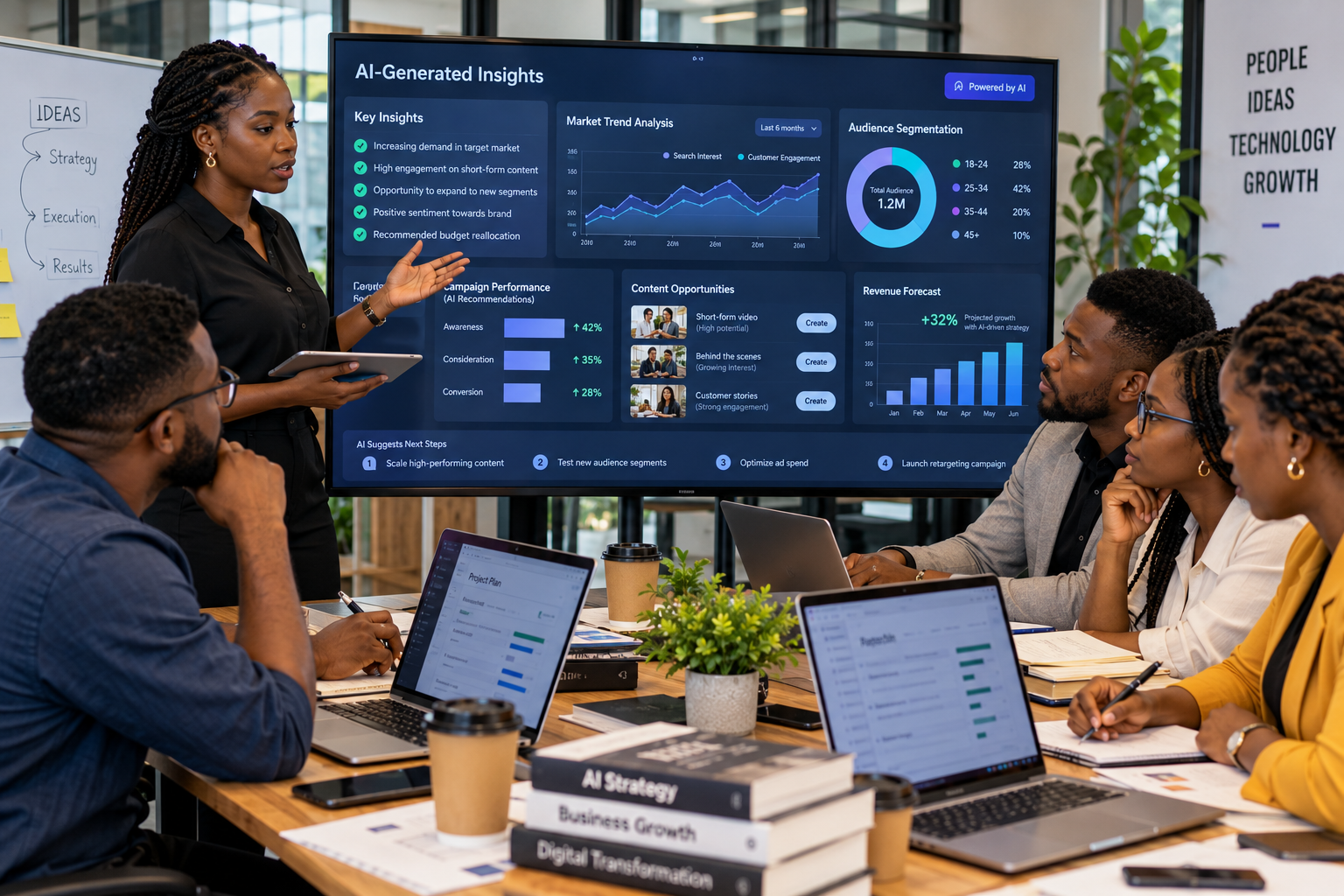
Artificial intelligence is changing how people work, solve problems, and complete everyday tasks. From marketing and healthcare to education, finance, and software development, AI tools are becoming part of many professional environments.
As businesses adopt these technologies, employees who understand how to use AI effectively may gain an advantage in the workplace. AI skills are no longer relevant only to technology professionals; they are becoming useful across a wide range of careers.
1. AI Is Changing How Work Gets Done
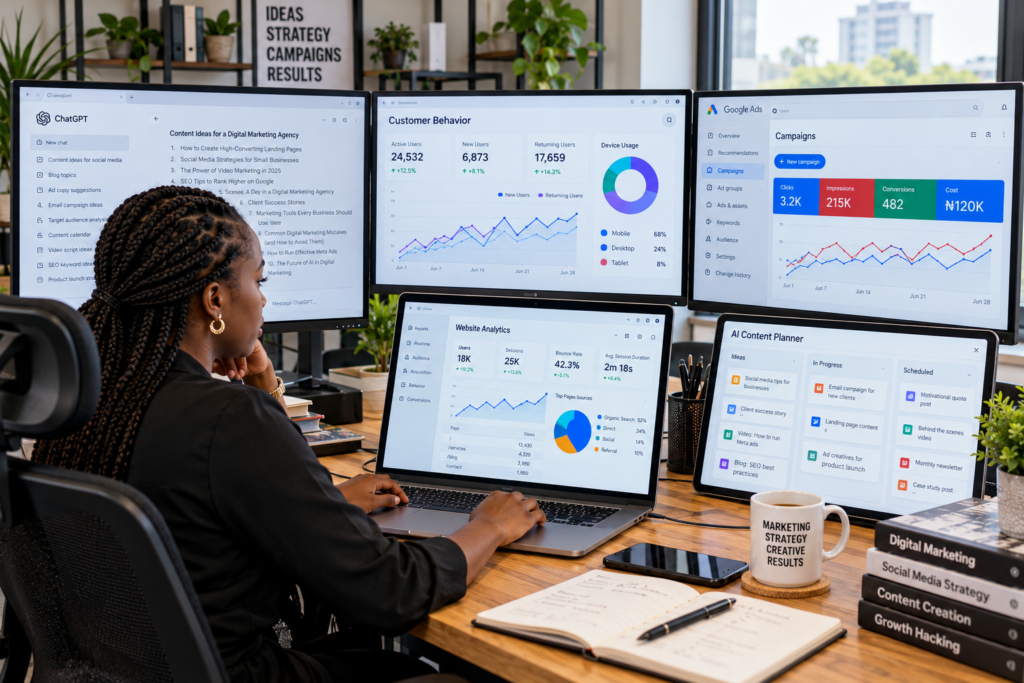
AI tools can help professionals summarize information, analyze data, generate ideas, draft documents, and automate repetitive tasks.
For example, a marketer can use AI to brainstorm campaign ideas, while an administrative assistant can use it to organize information and prepare meeting summaries.
Learning how to use these tools can help workers complete certain tasks more efficiently.
2. AI Skills Are Useful Across Different Industries
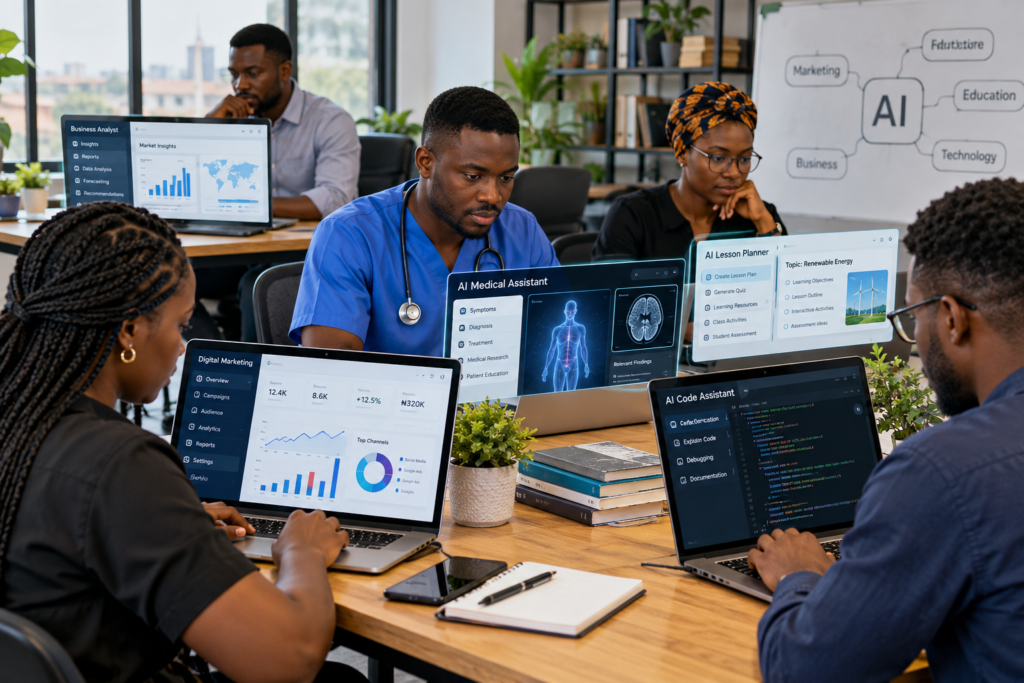
AI is being applied in many fields, including:
- Marketing: Content planning, audience research, and campaign analysis.
- Healthcare: Supporting research, documentation, and medical image analysis.
- Education: Preparing learning materials and adapting lessons.
- Finance: Identifying patterns in data and assisting with risk analysis.
- Customer service: Helping respond to enquiries and categorize support requests.
- Human resources: Supporting recruitment administration and employee training.
The specific applications differ, but the ability to work effectively with AI can be useful in many professional settings.
3. AI Can Improve Productivity
One reason AI skills are becoming valuable is their potential to reduce time spent on repetitive tasks.
Professionals who know how to select suitable tools, provide clear instructions, and check the results can streamline parts of their workflow.
However, AI outputs still require human review. Using AI effectively means knowing when to verify information and when to complete a task independently.
4. Employers Need People Who Can Adapt
As workplace technology evolves, employers need workers who can learn new systems and adjust to changing processes.
The World Economic Forum’s Future of Jobs Report 2025 identifies AI and big data among the skills expected to grow in importance through 2030. It also highlights creative thinking, analytical thinking, and technological literacy.
Although AI skills alone do not guarantee employment, combining them with relevant industry knowledge, communication, and problem-solving abilities can strengthen a professional’s skill set.
5. AI Skills Can Support Freelancing and Entrepreneurship
Freelancers and small business owners can use AI to support tasks that might otherwise require additional time or resources.
For example, a freelance designer might use AI to brainstorm concepts, while a business owner could use it to draft product descriptions or organize customer feedback.
These tools can help individuals improve workflows, develop services, and serve clients more efficiently.
6. Communication and Critical Thinking Still Matter
Knowing how to operate an AI tool is only one part of the process.
Professionals also need to evaluate AI-generated information, identify errors, protect confidential information, and make sound decisions.
Clear communication, creativity, ethical judgment, and subject knowledge remain important because AI can produce inaccurate or misleading results.
7. How to Start Learning AI Skills
You do not need to become a programmer to begin learning practical AI skills.
Start with these steps:
- Choose an AI tool relevant to your work or career goals.
- Learn how to write clear, specific instructions.
- Practise using AI on everyday tasks.
- Check generated information before using it.
- Build small projects that demonstrate your skills.
- Keep learning as tools and workplace expectations change.
The most useful starting point is a real problem you want to solve, rather than learning every AI tool available.
Conclusion
AI skills are becoming valuable because artificial intelligence is influencing how tasks are completed across many industries.
People who combine practical AI knowledge with professional expertise, critical thinking, and creativity may be better prepared for changing workplace demands.
You do not need to master every AI technology. Start by learning how to use relevant tools responsibly and effectively in your chosen career.
References
- World Economic Forum — The Future of Jobs Report 2025
- World Economic Forum — Future of Jobs: Skills Outlook
- Microsoft Learn — Training for AI Engineers