

Introduction
In today’s connected world, digital identity has become an extension of who we are. Every profile created, post shared, comment written, and photo uploaded contributes to an online representation of our lives.
Unlike traditional identity, which was shaped primarily by in-person interactions, digital identity is curated, searchable, and often permanent. It influences personal relationships, professional opportunities, and even societal perceptions.
Understanding digital identity is no longer optional — it is essential for navigating modern life responsibly and strategically.
1. What Is Digital Identity?
Digital identity refers to the collection of data, behaviors, and representations that define an individual online. It includes:
- Social media profiles
- Professional networking accounts
- Email addresses
- Online purchase history
- Search activity
- Public records and digital footprints
Platforms like Facebook, Instagram, and LinkedIn shape how others perceive us digitally.
Digital identity is both self-created and externally influenced. While we control some aspects, algorithms, tags, and other users’ content also contribute.
2. The Rise of the Digital Footprint
Every online action leaves a trace. This is known as a digital footprint.
There are two types:
- Active footprint – content you intentionally share
- Passive footprint – data collected without direct input, such as browsing history or location tracking
Over time, these traces accumulate into a comprehensive profile that can influence hiring decisions, brand trust, and personal reputation.
3. Personal Branding in the Digital Age
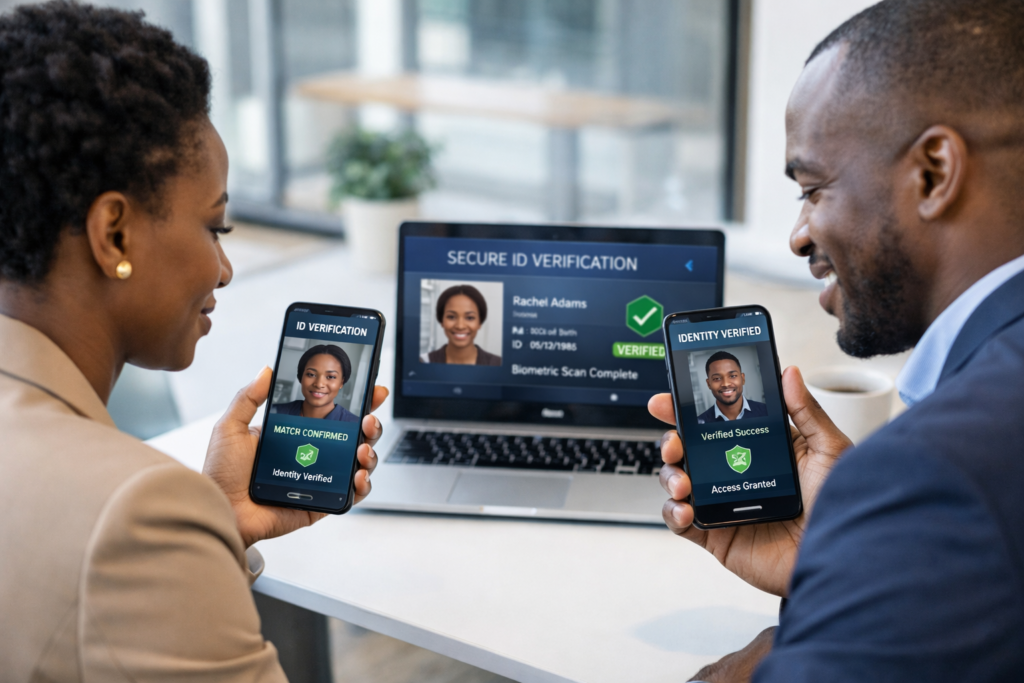
Digital identity is increasingly tied to personal branding.
Professionals use online platforms to:
- Showcase expertise
- Share insights
- Build credibility
- Network globally
A well-managed digital identity can open doors to collaborations, career growth, and business opportunities.
However, inconsistency between online and offline behavior can damage credibility.
4. Privacy and Data Security Concerns
As digital identity expands, so do concerns about privacy.
Data breaches, identity theft, and misuse of personal information highlight the risks associated with online presence. Cybercriminals exploit weak security practices, while companies collect user data for analytics and targeted advertising.
Protecting digital identity requires:
- Strong, unique passwords
- Multi-factor authentication
- Careful sharing of personal information
- Awareness of platform privacy settings
Security is not a one-time action — it is an ongoing responsibility.
5. The Psychological Impact of Online Identity
Curating an online presence can affect mental well-being.
Many individuals feel pressure to present idealized versions of their lives. This can create comparison, anxiety, and a disconnect between authentic identity and digital persona.
Balancing authenticity with privacy is a key challenge in modern digital life.
6. Digital Identity and Professional Opportunities
Employers and institutions often review candidates’ online presence. Recruiters may evaluate:
- Professional tone
- Communication style
- Consistency of messaging
- Industry engagement
A strong digital identity can reinforce expertise and professionalism. Conversely, careless posts can have long-term consequences.
7. The Future of Digital Identity
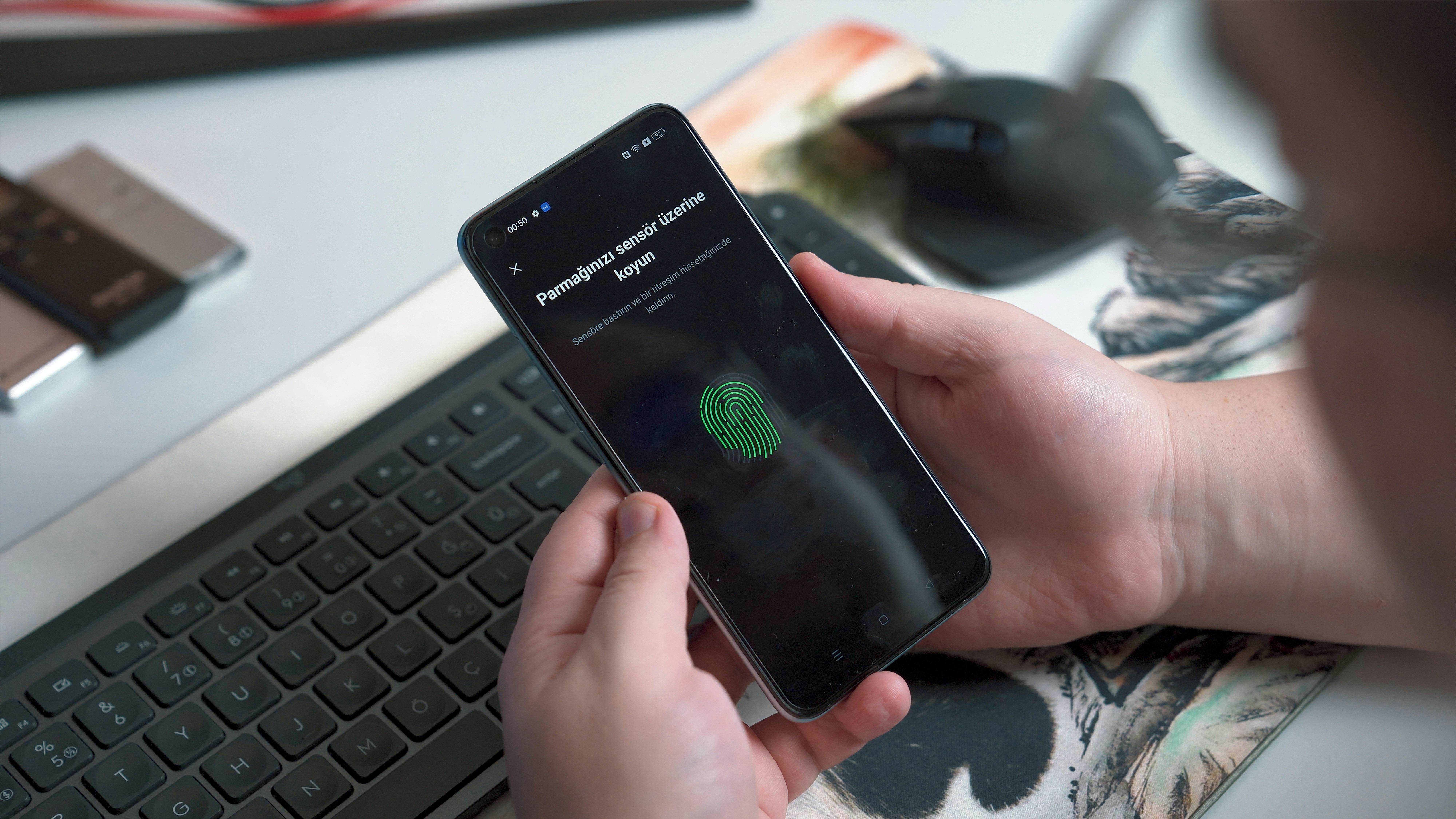
Emerging technologies such as decentralized identity systems, biometric verification, and blockchain-based credentials are reshaping how identity is verified online.
Governments and organizations are exploring digital ID frameworks to streamline authentication processes while improving security.
The future will likely demand greater transparency, accountability, and user control over personal data.
Conclusion
Digital identity is no longer separate from real-world identity. It influences how we are perceived, trusted, and evaluated across personal and professional contexts.
Managing digital identity requires intentionality — balancing visibility with privacy, authenticity with strategy, and convenience with security.
In an increasingly digital society, how we exist online shapes how we are understood offline.
References
- Pew Research Center. (2022). Teens, Social Media and Privacy.
https://www.pewresearch.org/internet/2022/08/10/teens-social-media-and-privacy/ - World Economic Forum. (2023). Digital Identity: The Future of Trust Online.
https://www.weforum.org/agenda/2023/02/digital-identity-trust/ - Harvard Business Review. (2020). How to Manage Your Personal Brand Online.
https://hbr.org/2020/01/how-to-manage-your-personal-brand-online - European Union Agency for Cybersecurity (ENISA). (2022). Digital Identity and Security Report.
https://www.enisa.europa.eu/publications