
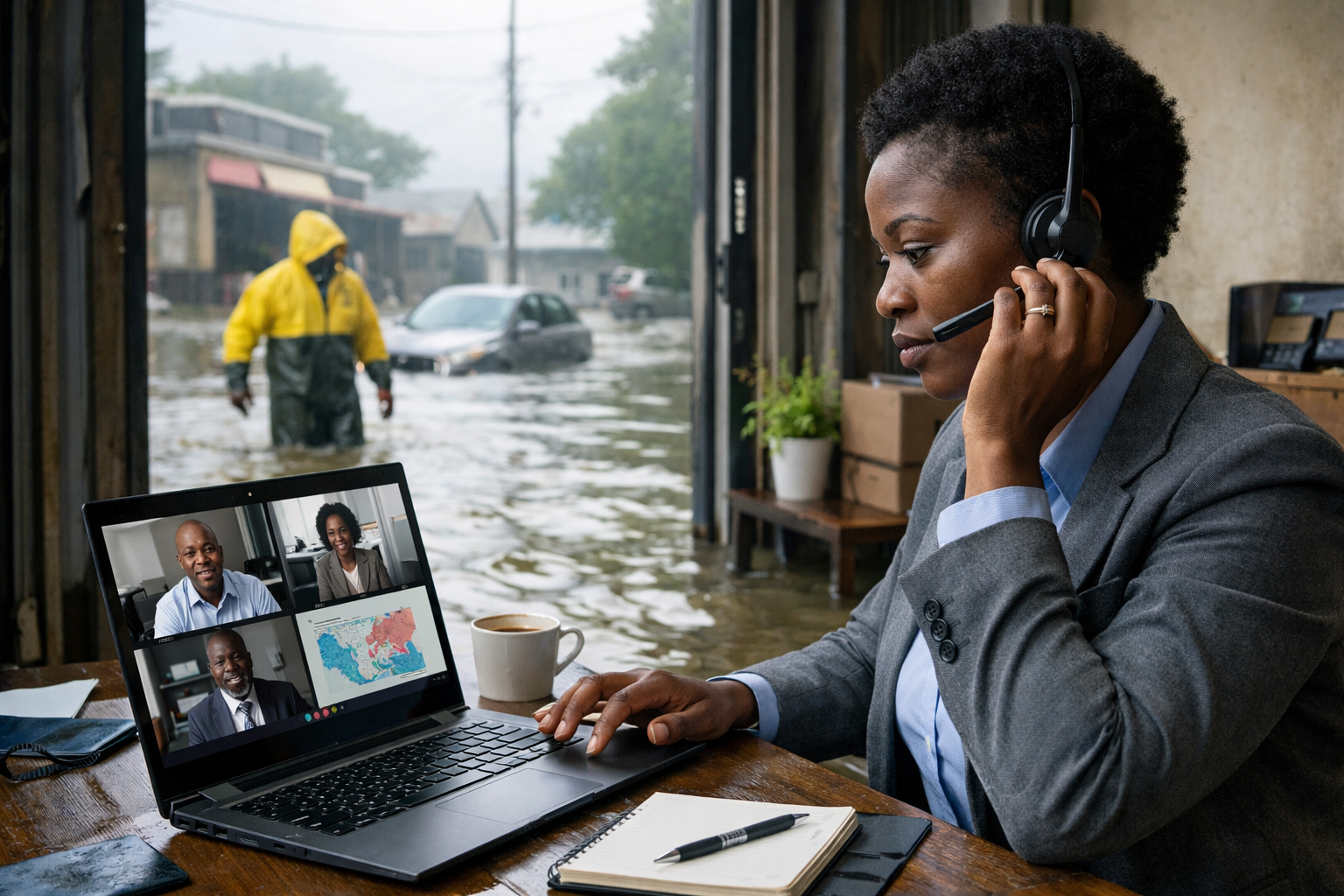
Extreme weather is no longer a distant environmental concern—it’s a core business issue. From floods and heatwaves to wildfires and storms, climate-related disruptions are reshaping how companies operate, invest, insure assets, and plan for the future. As these events become more frequent and severe, businesses worldwide are being forced to adapt.
Climate resilience is quickly becoming a competitive advantage.
1. Extreme Weather Is Disrupting Supply Chains
Global supply chains are increasingly vulnerable to climate shocks.
Common impacts include:
- Factory shutdowns due to floods or heatwaves
- Port closures and shipping delays
- Raw material shortages
- Rising logistics and transportation costs
Businesses are responding by diversifying suppliers, nearshoring production, and building redundancy into operations.
2. Rising Operational and Insurance Costs
Extreme weather increases the cost of doing business.
Companies face:
- Higher insurance premiums
- Increased repair and maintenance expenses
- Greater risk exposure in climate-prone regions
- Stricter insurance requirements
Some insurers are even withdrawing coverage from high-risk areas, forcing businesses to rethink location strategies.
3. Workforce Productivity and Safety Challenges
Climate events directly affect employees.
Impacts include:
- Reduced productivity during heatwaves
- Health and safety risks
- Disrupted commuting and remote work dependence
- Increased absenteeism
Employers are adapting with flexible work models, climate-safe facilities, and stronger health protections.
4. Shifts in Investment and Risk Management
Investors are paying close attention to climate risk.
Trends include:
- Climate risk assessments in investment decisions
- Growth of ESG (Environmental, Social, Governance) investing
- Preference for climate-resilient companies
- Increased disclosure requirements
Companies that fail to address climate risk may struggle to attract capital.
5. Innovation in Climate-Resilient Products and Services
Extreme weather is driving innovation.
New opportunities include:
- Climate-resilient infrastructure and construction
- Weather analytics and forecasting tools
- Renewable energy and storage solutions
- Water management and cooling technologies
Businesses that innovate around resilience are unlocking new markets.
6. Changes in Consumer Behavior
Consumers are becoming more climate-conscious.
Shifts include:
- Preference for sustainable brands
- Demand for ethical sourcing and transparency
- Increased scrutiny of environmental impact
- Support for companies with strong climate commitments
Brand trust is increasingly tied to environmental responsibility.

7. Regulatory Pressure and Compliance
Governments are responding to climate risks.
Businesses must navigate:
- Stricter environmental regulations
- Mandatory climate risk disclosures
- Carbon pricing and emissions limits
- Climate adaptation policies
Compliance is no longer optional—it’s a strategic necessity.
8. Digital Transformation as a Climate Strategy
Technology is helping businesses adapt.
Digital tools support:
- Remote and hybrid work during disruptions
- Predictive analytics for climate risk
- Smart infrastructure and energy management
- Faster crisis response and recovery
Digital resilience and climate resilience are becoming interconnected.
9. Global Inequality and Regional Impact
Not all regions are affected equally.
Challenges include:
- Higher vulnerability in emerging markets
- Infrastructure gaps
- Disproportionate impact on small businesses
- Uneven access to recovery resources
Global companies must consider regional adaptation strategies.
10. The Future of Business in a Climate-Impacted World
Looking ahead, expect:
- Climate resilience integrated into business strategy
- Greater collaboration across industries
- More climate-focused innovation
- Long-term planning replacing short-term optimization
Adaptability will define business success.
Conclusion
Extreme weather is reshaping global business trends—from supply chains and workforce management to investment strategies and innovation. Companies that proactively address climate risk and build resilience will be better positioned to survive and thrive. In a climate-impacted world, sustainability is no longer just a responsibility—it’s a business imperative.
References (External Links)
- World Economic Forum – Climate Risk and Business
https://www.weforum.org - McKinsey – The Economic Impact of Climate Change
https://www.mckinsey.com - International Monetary Fund – Climate Change and the Global Economy
https://www.imf.org - Harvard Business Review – How Climate Change Is Reshaping Business
https://hbr.org - UN Environment Programme – Climate Risk and Resilience
https://www.unep.org