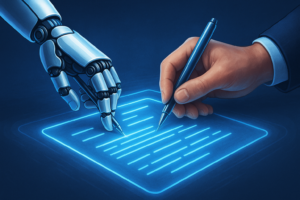
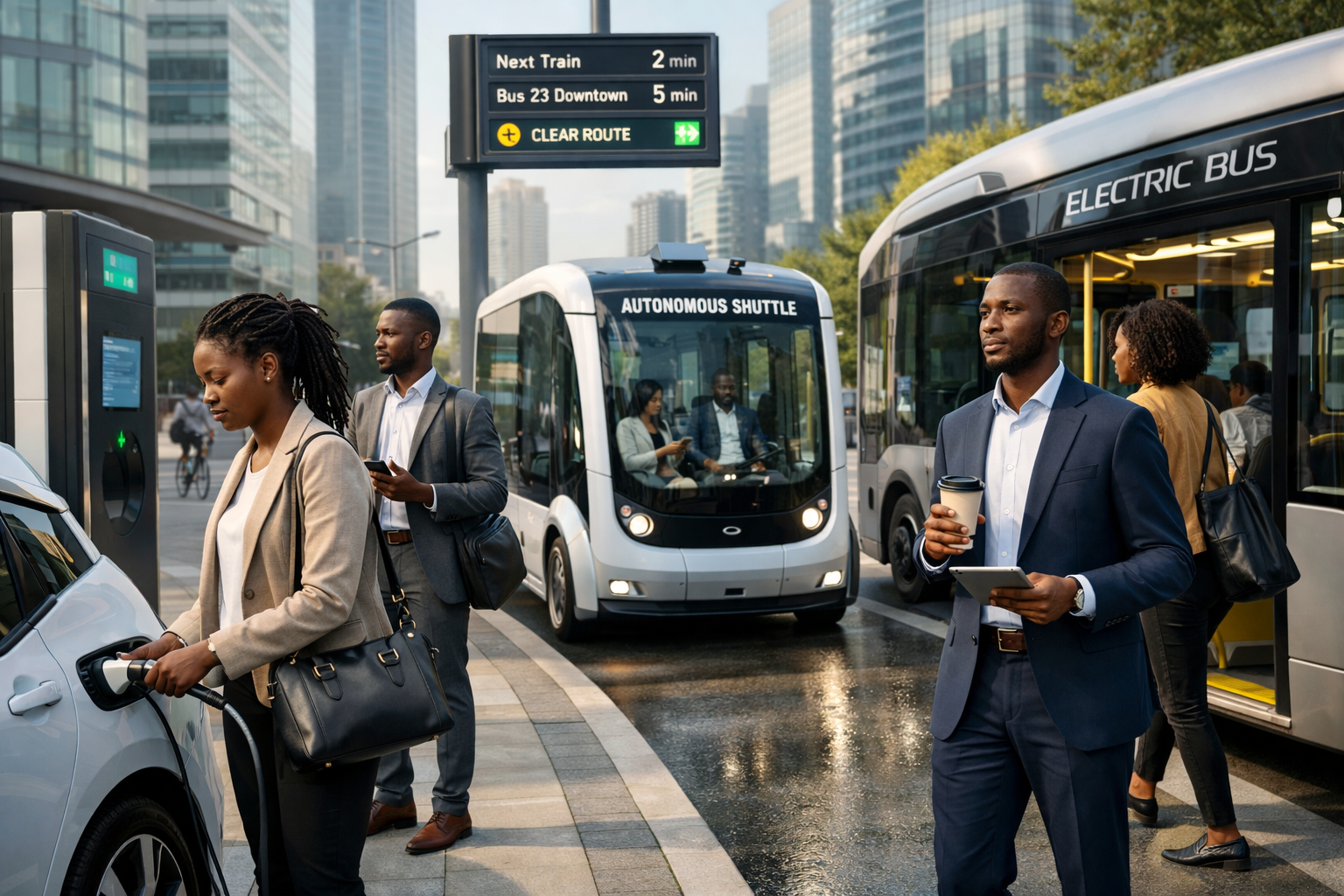
Transportation is undergoing one of the most significant transformations in history. As cities grow, climate concerns intensify, and technology advances, how we move people and goods is being reimagined. Electric vehicles, autonomous systems, and smart infrastructure are no longer futuristic ideas—they are shaping the next era of mobility.
The future of transportation is not just about speed, but about sustainability, safety, and smarter movement.
1. The Shift Toward Electric Mobility
Electric vehicles (EVs) are at the center of transportation’s evolution.
Key drivers include:
- Reduced carbon emissions
- Lower operating and maintenance costs
- Advancements in battery technology
- Government incentives and regulations
As charging infrastructure expands, EV adoption continues to accelerate globally.
2. Autonomous Vehicles and Self-Driving Technology
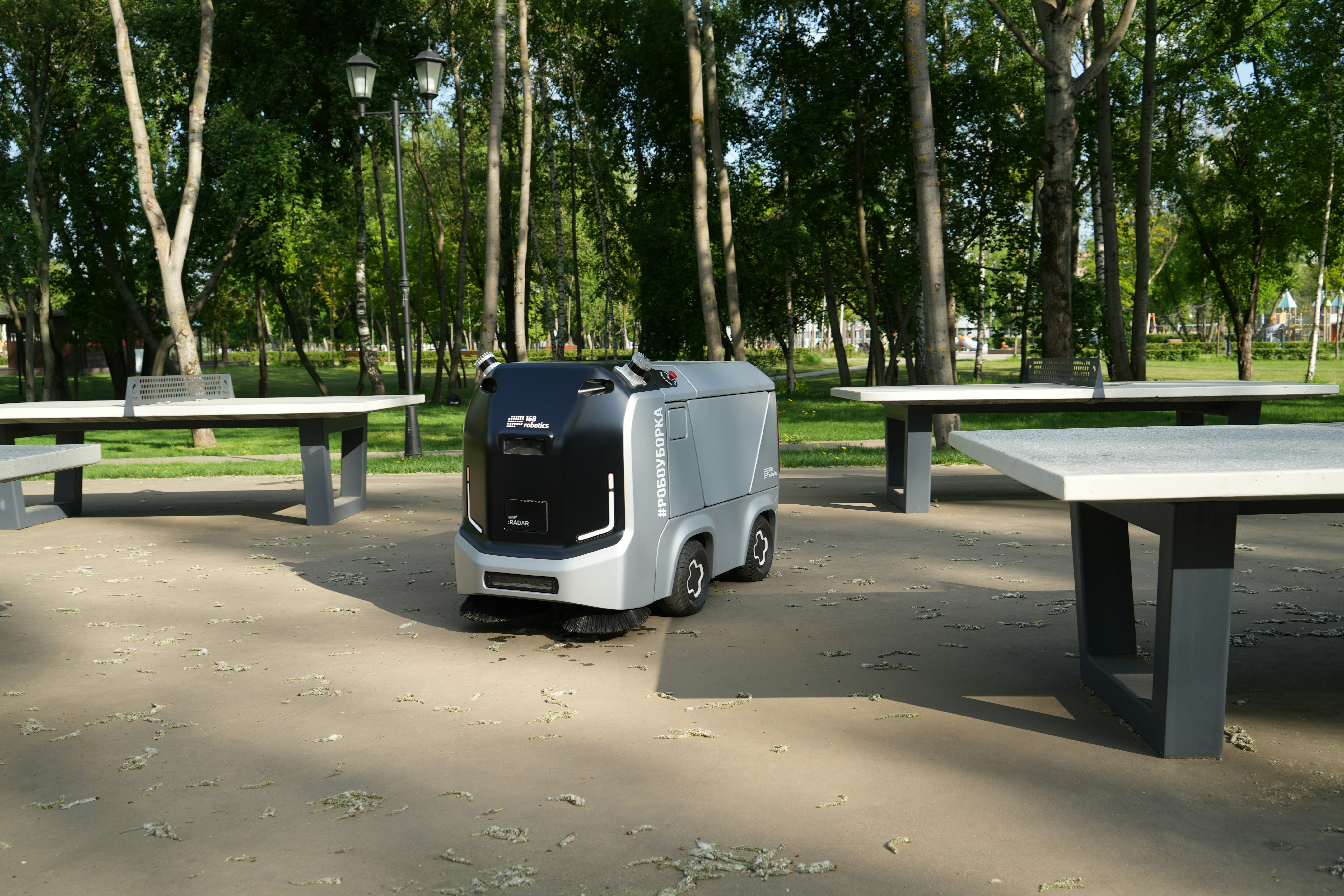
Autonomous vehicles aim to reduce human error—the leading cause of road accidents.
Benefits include:
- Improved road safety
- Reduced traffic congestion
- Increased accessibility for non-drivers
- More efficient logistics and delivery systems
While full autonomy is still developing, semi-autonomous features are already common.
3. Smart Cities and Connected Transportation
Transportation is becoming deeply integrated with smart city infrastructure.
Innovations include:
- AI-powered traffic management
- Connected vehicles communicating with roads and signals
- Real-time navigation and congestion data
- Predictive maintenance systems
These technologies improve efficiency and reduce urban congestion.
4. Beyond Cars: The Rise of Micro-Mobility
Transportation is no longer car-centric.
Micro-mobility solutions include:
- Electric scooters and bikes
- Shared mobility platforms
- Compact urban vehicles
These options reduce traffic, lower emissions, and support last-mile connectivity.
5. Sustainable Public Transportation
Public transit systems are also evolving.
Improvements include:
- Electric buses and trains
- Hydrogen-powered rail systems
- Smart ticketing and scheduling
- Cleaner, quieter urban transport
Sustainable public transit is key to reducing city-wide emissions.
6. The Role of Artificial Intelligence
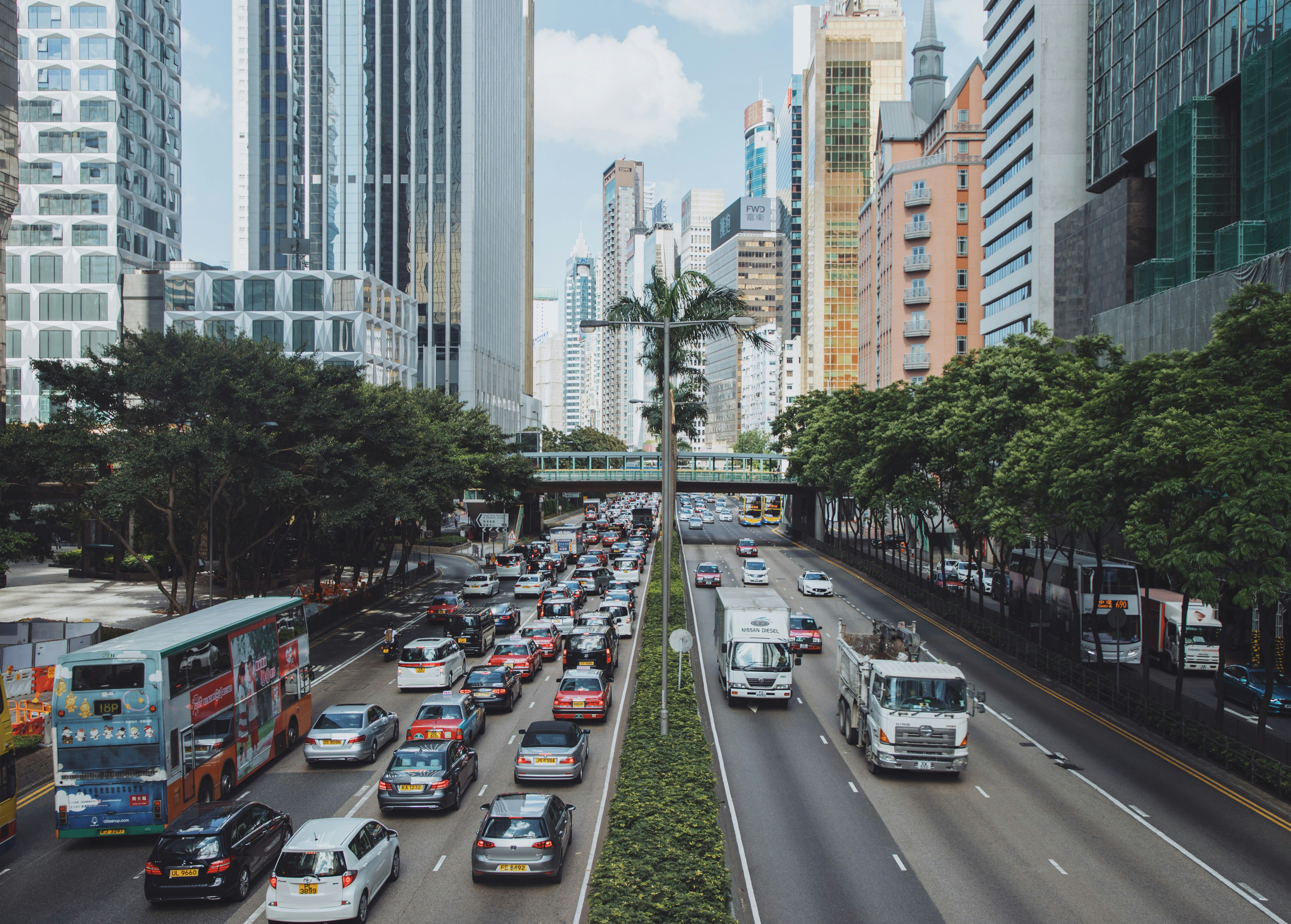
AI is optimizing transportation networks.
AI applications include:
- Route optimization
- Predictive traffic analysis
- Autonomous navigation
- Fleet management
Smarter systems mean faster travel and fewer delays.
7. Challenges Facing Future Transportation
Despite progress, challenges remain.
Key issues include:
- Infrastructure readiness
- Regulatory and safety concerns
- High initial costs
- Cybersecurity risks
Balancing innovation with public trust is critical.
8. The Impact on Jobs and Industries
Transportation innovation will reshape employment.
Changes may include:
- New roles in software and data analysis
- Reduced demand for traditional driving jobs
- Increased need for technical maintenance skills
Workforce adaptation will be essential.
9. Environmental and Social Benefits
Future transportation systems aim to improve quality of life.
Benefits include:
- Cleaner air
- Reduced noise pollution
- Safer roads
- More inclusive mobility options
Sustainable transport supports healthier communities.

10. What Comes Next?
Looking ahead, we may see:
- Flying taxis and urban air mobility
- Hyperloop and high-speed transport systems
- Fully autonomous public transit
- Carbon-neutral transportation networks
Innovation will continue to push boundaries.
Conclusion
The future of transportation is electric, intelligent, and interconnected. As technology advances, mobility will become safer, cleaner, and more accessible. While challenges remain, the shift toward sustainable and autonomous transportation represents a crucial step toward a smarter, more efficient global future.
References (External Links)
- International Energy Agency – Electric Vehicles and Transport Trends
https://www.iea.org - World Economic Forum – The Future of Mobility
https://www.weforum.org - National Highway Traffic Safety Administration – Autonomous Vehicles
https://www.nhtsa.gov - McKinsey & Company – Mobility and Transportation Innovation
https://www.mckinsey.com - United Nations – Sustainable Transport and Development
https://www.un.org