Introduction
For many years, paid advertising dominated digital marketing strategies. Businesses invested heavily in online ads to reach new audiences quickly and generate immediate traffic. While paid ads remain an important marketing channel, many organizations are increasingly shifting toward organic growth strategies.
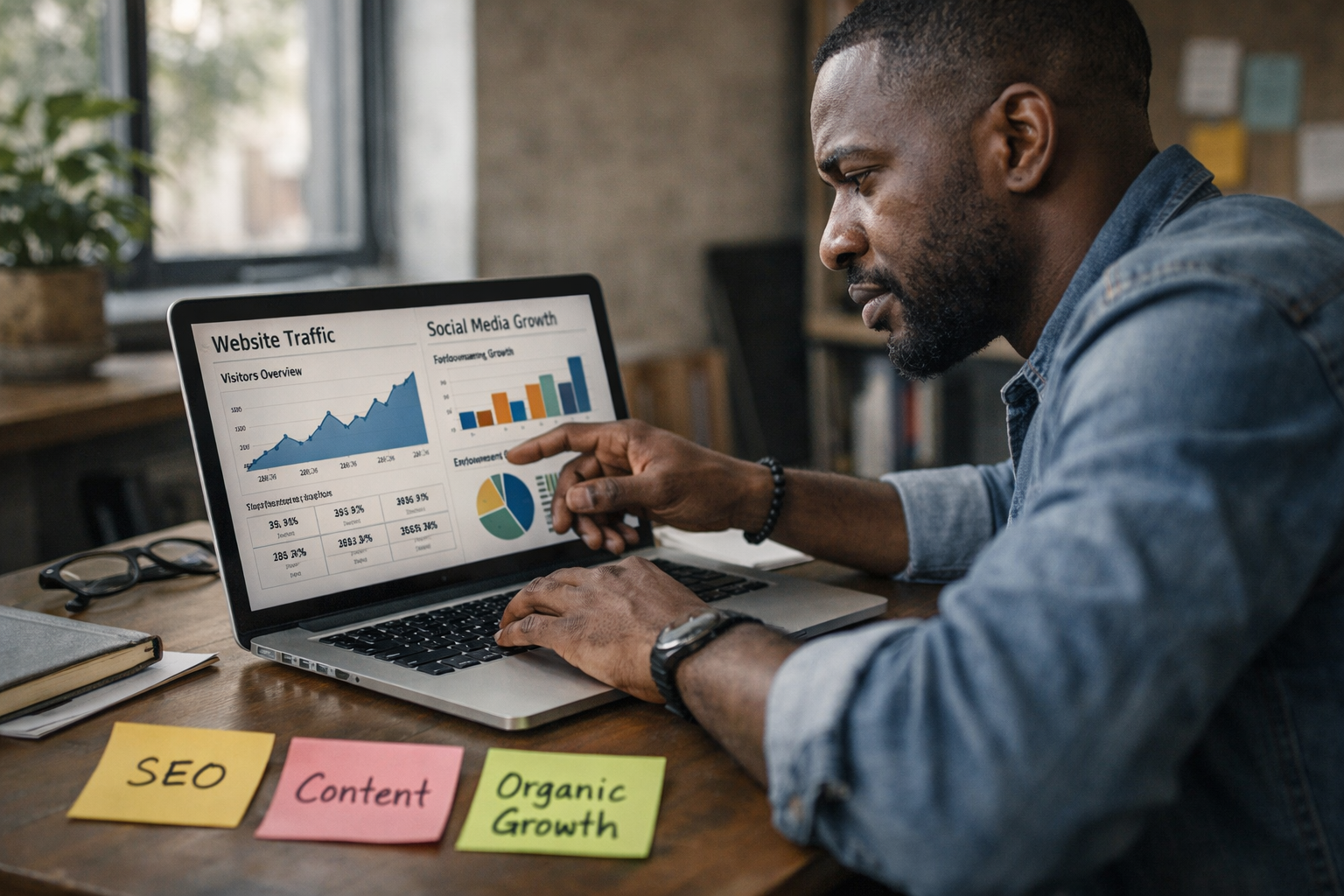
Organic growth focuses on building long-term visibility through valuable content, search engine optimization (SEO), community engagement, and brand trust. Unlike paid advertising, which stops producing results once the budget ends, organic marketing can generate sustainable traffic and engagement over time.
This shift reflects a growing understanding that lasting digital success often comes from consistent value creation rather than short-term promotion.
1. Understanding Paid Advertising
Paid advertising involves promoting products or services through sponsored placements across digital platforms. Businesses typically pay for visibility through models such as pay-per-click (PPC) or cost-per-impression.
Platforms like Google Ads and Meta Ads Manager allow companies to target specific audiences based on demographics, interests, and online behavior.
Paid ads offer immediate exposure and can generate quick traffic, making them useful for product launches, promotions, or short-term campaigns.
However, they often require continuous spending to maintain visibility.
2. The Rise of Organic Marketing
Organic growth strategies focus on attracting audiences naturally through valuable and relevant content. Instead of paying for visibility, businesses invest in creating resources that people actively search for and share.
Common organic marketing approaches include:
- Search engine optimization (SEO)
- Blogging and educational content
- Social media engagement
- Email newsletters
- Community building
Over time, these efforts help establish authority and attract consistent traffic.
3. Cost Efficiency Over Time
One of the primary reasons businesses shift toward organic strategies is cost efficiency. Paid advertising can quickly become expensive, especially in competitive industries where cost-per-click continues to rise.
Organic marketing requires time and effort, but once content begins to rank in search engines or gain traction online, it can generate traffic without ongoing advertising expenses.
This long-term value makes organic growth an attractive investment for many businesses.
4. Building Trust and Credibility
Consumers tend to trust organic content more than advertisements. When users find helpful information through search engines or recommendations, they often perceive the brand as more credible.
Educational blog posts, helpful guides, and informative videos allow businesses to demonstrate expertise and build authority in their industries.
Trust developed through organic content can lead to stronger customer relationships and higher conversion rates.
5. The Role of Search Engine Optimization
Search engine optimization plays a central role in organic marketing. SEO focuses on improving a website’s visibility in search engine results by optimizing content, structure, and technical performance.
Tools such as Ahrefs and Semrush help businesses identify relevant keywords, analyze competitors, and track search rankings.
Effective SEO ensures that valuable content reaches users who are actively searching for information related to a brand’s offerings.

6. Social Media and Community Engagement
Organic growth is also driven by meaningful engagement on social media platforms. Rather than relying solely on paid promotions, brands increasingly focus on creating content that encourages conversation and sharing.
By responding to comments, participating in discussions, and building communities around shared interests, businesses can foster loyal audiences that support long-term growth.
This approach emphasizes relationship-building instead of purely transactional marketing.
7. Balancing Paid and Organic Strategies
Although many businesses are prioritizing organic growth, paid advertising still plays an important role in a balanced marketing strategy.
Paid campaigns can amplify organic content, test new markets, and generate quick visibility for important announcements. When combined with organic strategies, paid advertising can accelerate results while organic efforts build long-term stability.
The most effective marketing strategies integrate both approaches.
Conclusion
The shift from paid advertising to organic growth strategies reflects a broader change in digital marketing priorities. Businesses are increasingly focusing on sustainable visibility, authentic engagement, and long-term value creation.
While paid advertising can provide immediate results, organic marketing builds trust, authority, and lasting relationships with audiences. By investing in high-quality content, SEO, and community engagement, organizations can create a foundation for consistent digital growth.
In a competitive online environment, sustainable marketing success often depends on the strength of a brand’s organic presence.
References
- HubSpot. Organic Marketing vs Paid Marketing: What’s the Difference?
https://blog.hubspot.com/marketing/organic-vs-paid-marketing - Search Engine Journal. Why Organic Traffic Is Important for Long-Term Growth
https://www.searchenginejournal.com/organic-search/ - Neil Patel. Paid Traffic vs Organic Traffic: Which Is Better?
https://neilpatel.com/blog/paid-vs-organic-traffic/ - Semrush. Organic Marketing Strategy Guide
https://www.semrush.com/blog/organic-marketing/ - Ahrefs. Beginner’s Guide to SEO
https://ahrefs.com/seo