

Introduction
Marketing has evolved from intuition-based campaigns to data-driven decision-making. In today’s competitive digital landscape, brands that rely solely on creativity without analytics risk falling behind.
The rise of data-driven marketing decisions reflects a shift toward measurable outcomes, predictive insights, and strategic optimization. Organizations now collect, analyze, and apply data to improve targeting, messaging, and return on investment.
1. From Guesswork to Measurable Strategy
Traditional marketing often relied on broad assumptions about audience behavior. Campaign success was difficult to quantify, and feedback cycles were slow.
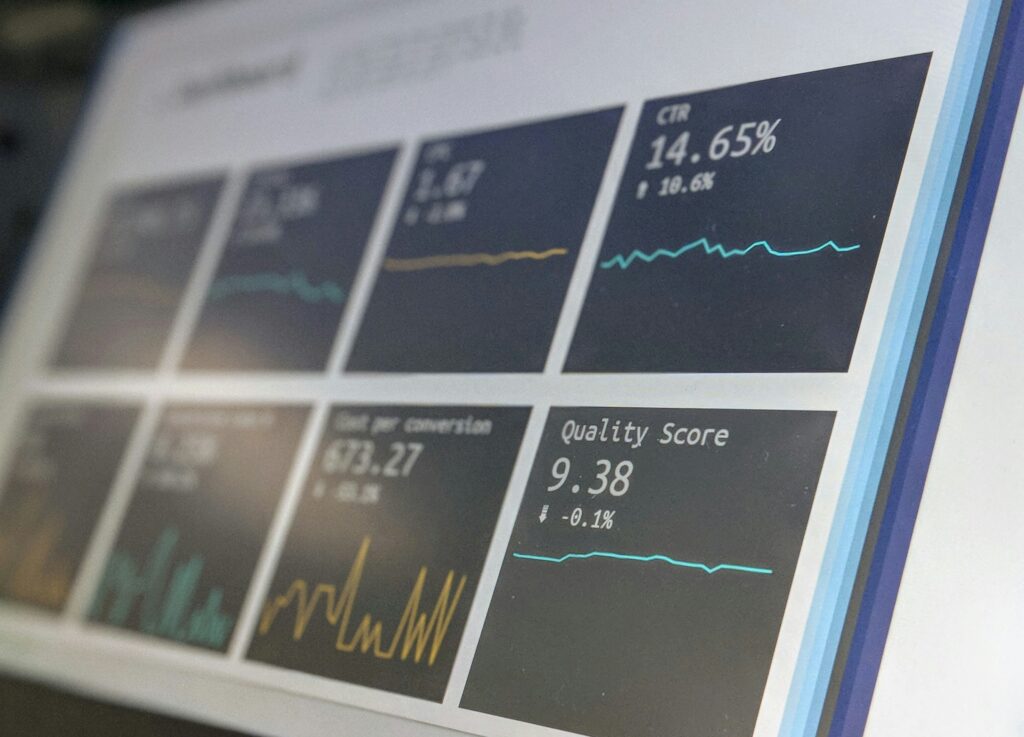
Today, digital platforms provide real-time metrics, including:
- Click-through rates
- Conversion rates
- Customer acquisition cost
- Engagement levels
- Customer lifetime value
This measurable environment allows brands to refine strategies based on evidence rather than assumptions.

2. The Growth of Analytics Tools
The expansion of analytics platforms has accelerated data-driven marketing.
Tools such as Google Analytics, HubSpot, and Tableau enable businesses to:
- Track website performance
- Monitor campaign effectiveness
- Visualize data trends
- Identify high-performing channels
These tools transform raw data into actionable insights, empowering marketers to make informed decisions quickly.
3. Personalization at Scale
Data allows brands to move beyond generic messaging toward personalized experiences.
By analyzing user behavior, companies can:
- Recommend relevant products
- Send tailored email campaigns
- Deliver targeted advertisements
- Customize website experiences
Personalization improves engagement and builds stronger customer relationships. Consumers increasingly expect brands to understand their preferences and deliver relevant content.
4. Predictive Analytics and AI
The integration of artificial intelligence has further strengthened data-driven strategies.
Predictive analytics enables marketers to:
- Forecast consumer behavior
- Identify churn risks
- Optimize pricing strategies
- Improve demand planning
AI-driven tools help automate data analysis and uncover patterns that may not be immediately visible to human analysts.
This proactive approach allows businesses to anticipate trends instead of reacting to them.
5. Improved Budget Allocation
One of the most significant benefits of data-driven marketing is efficient budget management.
With accurate performance tracking, businesses can:
- Invest more in high-performing channels
- Reduce spending on underperforming campaigns
- Test new strategies with measurable benchmarks
Data ensures that marketing budgets are aligned with measurable outcomes and strategic priorities.
6. Real-Time Optimization
Digital campaigns can now be adjusted in real time.
Marketers monitor performance dashboards and make immediate changes such as:
- Refining audience targeting
- Adjusting ad creatives
- Modifying bidding strategies
- A/B testing messaging
Real-time optimization reduces waste and increases campaign effectiveness.
7. Challenges of Data-Driven Marketing
While data offers significant advantages, it also presents challenges:
- Data privacy regulations
- Information overload
- Misinterpretation of metrics
- Integration across platforms
Compliance with privacy standards and ethical data use is essential to maintaining consumer trust.
8. The Future of Data-Driven Marketing
The future of marketing will be increasingly shaped by automation, machine learning, and integrated data ecosystems.
As platforms become more sophisticated, marketers will rely on:
- Unified customer data platforms
- Cross-channel analytics
- AI-powered content optimization
- Advanced attribution modeling
Data will not replace creativity but enhance it. The most successful brands will combine analytical insight with compelling storytelling.
Conclusion
The rise of data-driven marketing decisions marks a fundamental shift in how businesses approach growth. By leveraging analytics, personalization, and predictive tools, brands can create more efficient, effective, and customer-focused campaigns.
In a digital-first economy, data is no longer optional. It is the foundation of strategic marketing success.
References
- McKinsey & Company. (2023). The Age of Analytics in Marketing.
https://www.mckinsey.com/capabilities/growth-marketing-and-sales/our-insights - Harvard Business Review. (2019). The Value of Data-Driven Marketing.
https://hbr.org/2019/10/the-value-of-data-driven-marketing - Gartner. (2022). Marketing Data and Analytics Trends.
https://www.gartner.com/en/marketing/insights - Forbes. (2021). Why Data-Driven Marketing Is Essential.
https://www.forbes.com/sites/forbescommunicationscouncil/