
Introduction
Gone are the days when education ended with a diploma. Today, skills age quickly, industries evolve rapidly, and technology transforms the way we work and live. As a result, lifelong learning has become more than a trend — it’s a necessity.
Whether it’s professionals upskilling for career growth, adults learning new hobbies, or retirees exploring fresh passions, lifelong learning is reshaping how society views education.
This article explores why continuous learning matters, the forces driving this shift, and how individuals and organizations can embrace a future where education truly never stops.
1. A Fast-Changing World Demands Constant Learning
Technology cycles have shortened dramatically. AI, automation, digital tools, and emerging industries are redefining skills every few years.
This creates several realities:
- Traditional degrees alone are no longer enough
- Workers must refresh their skills to stay competitive
- New industries require new competencies
- Adaptability is now a core professional strength
Lifelong learning ensures individuals remain relevant in a dynamic world.
2. Online Learning Has Removed Barriers
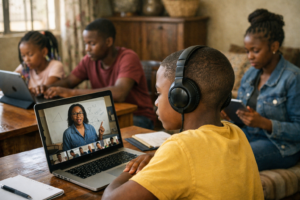
The digital transformation of education has democratized access to knowledge. Today, anyone can learn anything from anywhere.
Thanks to:
- Online courses
- Tutorials and microlearning videos
- Virtual bootcamps
- Mobile learning apps
- Podcasts and interactive workshops
Learning is flexible, affordable, and available in formats that fit every lifestyle.
3. The Workforce Now Values Continuous Upskilling
Employers increasingly prefer candidates who are curious, adaptable, and committed to growth. Companies now invest heavily in:
- Employee training programs
- Digital learning platforms
- Certification pathways
- Leadership development tracks
A culture of learning builds stronger teams and drives innovation.
4. Learning Has Become More Personalized
AI-powered tools now tailor education to individual strengths, preferences, and goals. Personalized learning paths help people learn faster and more effectively through:
- Customized course recommendations
- Adaptive skill assessments
- Real-time feedback
- Individual progress tracking
This makes lifelong learning not only possible — but enjoyable.

5. People Are Pursuing Learning for Personal Fulfillment
Lifelong learning isn’t just about career advancement. More people today explore new skills for personal growth:
- Creative arts
- Languages
- Fitness and wellness
- Digital skills
- Financial literacy
- Entrepreneurship
Learning enriches mental health, boosts confidence, and expands personal horizons.
6. Lifelong Learning Prepares Society for the Future of Work
As automation shifts job roles, reskilling and upskilling become essential. Future-proofing careers requires:
- Digital literacy
- Emotional intelligence
- Critical thinking
- Creativity and problem-solving
- Tech adoption and adaptability
The most successful individuals will be those committed to continuous development.

Conclusion
Education is no longer a phase — it’s a lifelong journey. As technology advances and industries transform, continuous learning empowers people to stay competitive, curious, and creatively fulfilled. The rise of lifelong learning marks a future where growth never stops, opportunities never end, and everyone can reinvent themselves at any stage of life.
References (External Links)
- The Future of Lifelong Learning — World Economic Forum
https://www.weforum.org/agenda/2022/10/future-of-lifelong-learning-skills/ - Why Lifelong Learning Matters — Harvard Business Review
https://hbr.org/2016/09/why-learning-is-the-most-important-skill-in-life - Online Learning Statistics and Trends — Coursera Global Skills Report
https://www.coursera.org/reports/global-skills-report - The Rise of Adult Learning — OECD Education Insights
https://www.oecd.org/education/adult-learning/ - AI and Personalized Learning — Brookings Institute
https://www.brookings.edu/articles/how-ai-is-transforming-personalized-learning/