
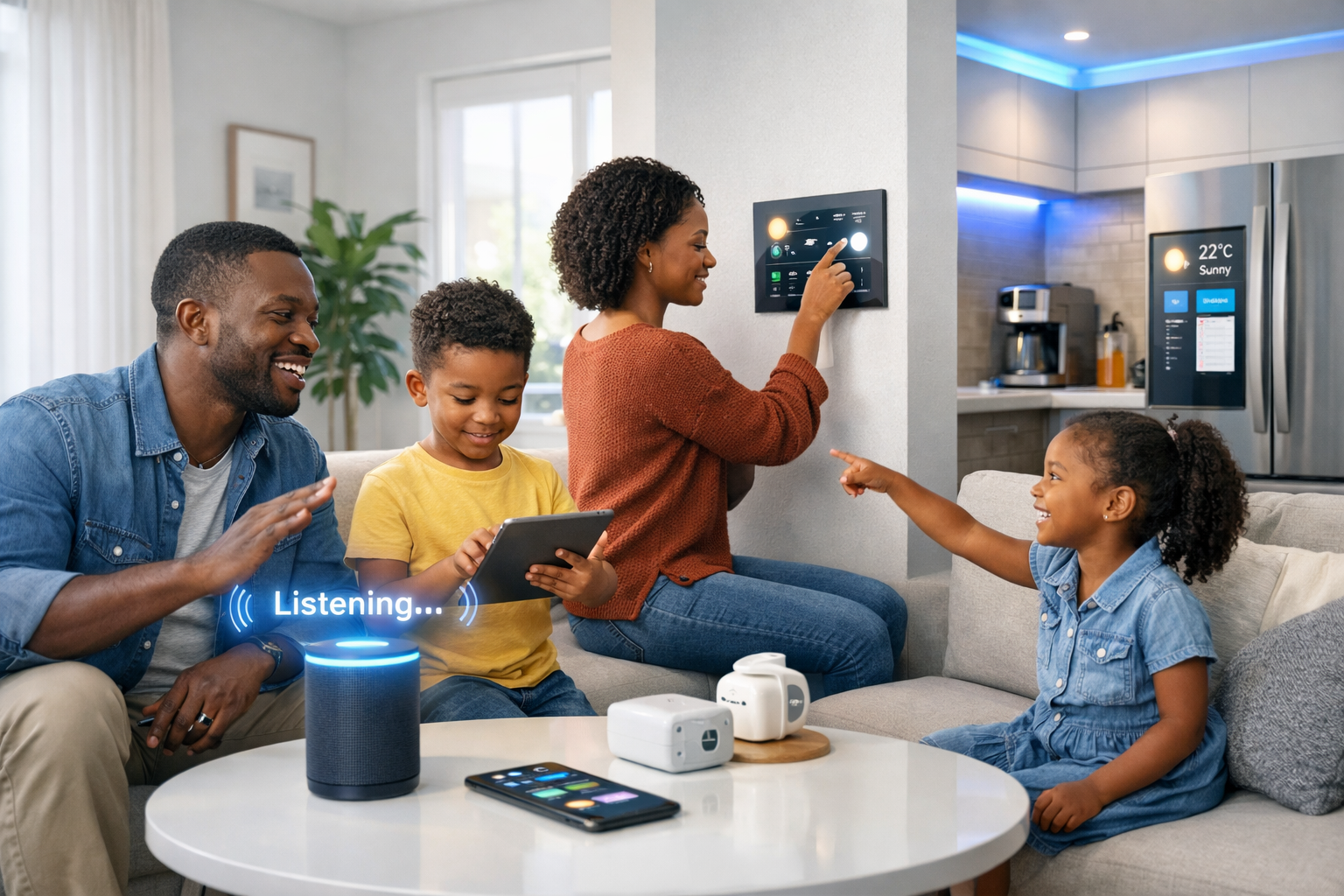
Smart homes are no longer a futuristic concept. Today, AI-powered devices are transforming how we live, work, and interact with our living spaces. From intelligent lighting systems to AI-driven security and personalized climate control, Smart Homes 3.0 are redefining convenience, efficiency, and comfort.
This article explores the rise of AI-driven homes, the technologies behind them, and what they mean for everyday living.
1. What Is a Smart Home 3.0?
Smart Homes 3.0 represents the next evolution in connected living:
- Integration: Devices communicate seamlessly across platforms
- Intelligence: AI analyzes data to anticipate needs
- Automation: Tasks are performed proactively
- Personalization: Experiences adapt to individual habits and preferences
Unlike earlier smart homes, which focused on remote control, Smart Homes 3.0 are autonomous and context-aware.

2. AI at the Heart of Smart Homes
AI powers smart homes by learning user behaviors and making decisions in real time.
Common AI-powered features
- Smart thermostats adjusting based on routines
- AI lighting systems responding to mood and activity
- Predictive home security detecting unusual behavior
- Voice assistants anticipating needs
- Personalized entertainment recommendations
AI transforms connected devices from reactive tools into proactive helpers.
3. Convenience and Daily Life Enhancements
Smart Homes 3.0 make everyday tasks simpler and more efficient.
- Automatic grocery and supply reminders
- Voice-controlled household appliances
- AI-driven energy optimization
- Seamless home entertainment management
These systems save time, reduce cognitive load, and allow residents to focus on priorities.
4. Energy Efficiency and Sustainability
AI-powered smart homes contribute to sustainability by:
- Optimizing heating and cooling systems
- Monitoring energy usage patterns
- Automating lights and appliances to reduce waste
- Integrating with renewable energy sources
Efficiency is not just convenient — it’s eco-conscious.
5. Security and Safety Innovations
AI strengthens home security in ways previous smart systems could not.
- Facial recognition and access control
- Predictive alerts for unusual activity
- Automated emergency responses
- Integration with neighborhood security networks
Residents gain peace of mind while reducing reliance on human monitoring.

6. Health and Well-Being Integration
Smart Homes 3.0 support health and wellness:
- Air quality monitoring and automatic purification
- Sleep tracking through smart beds
- AI reminders for hydration, medication, or exercise
- Noise and lighting adjustments for better mental health
Homes become active participants in personal well-being.
7. Challenges and Considerations
Despite the benefits, there are challenges to AI-powered living:
- Data privacy and security: Sensitive personal information is collected
- High cost and accessibility: Not all consumers can afford full integration
- Interoperability issues: Different devices may not communicate seamlessly
- Overreliance on automation: Users may lose manual skills or control
Responsible design, strong encryption, and ethical AI practices are critical.
8. The Future of Smart Homes
The trajectory of Smart Homes 3.0 points to:
- More predictive, personalized AI
- Greater integration with city infrastructure
- Voice and gesture-first control interfaces
- AI-driven decision-making for home resource management
- Smarter IoT networks linking multiple households
The home of the future will anticipate needs before you even voice them.
Conclusion
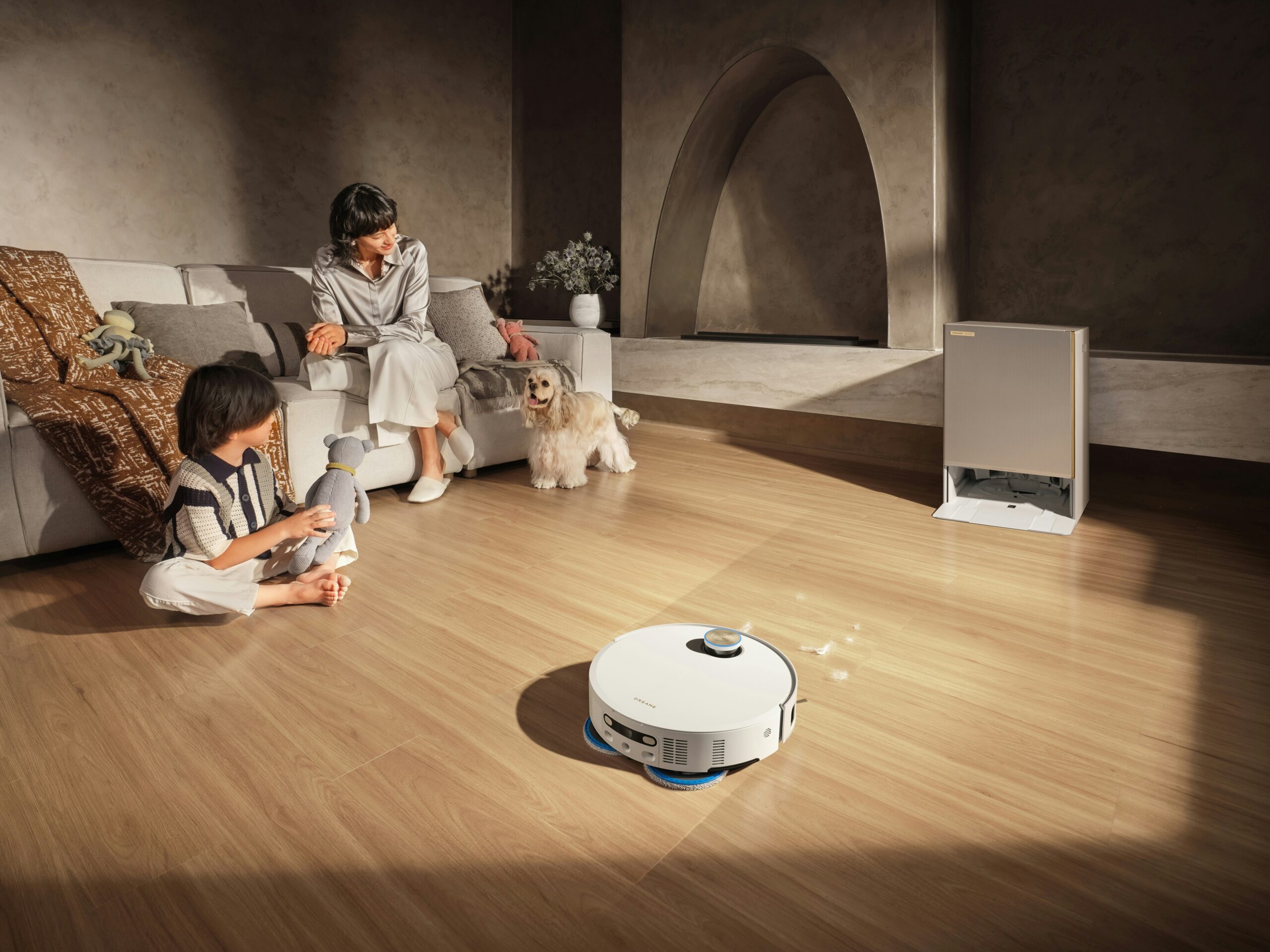
Smart Homes 3.0 are no longer a distant dream — they’re becoming a reality. With AI at the center, homes are not only more convenient and efficient but also safer, healthier, and more environmentally friendly. As technology continues to advance, the line between human intuition and machine intelligence in daily living will increasingly blur, creating a truly intelligent home ecosystem.
References (External Links)
- MIT Technology Review – AI and Smart Homes
https://www.technologyreview.com - Forbes – The Future of Smart Home Technology
https://www.forbes.com - World Economic Forum – Smart Homes and IoT
https://www.weforum.org - Consumer Technology Association – Trends in Smart Home Devices
https://www.cta.tech - IEEE Spectrum – AI in Everyday Living
https://spectrum.ieee.org