

In a world that rewards speed, instant results, and constant achievement, slow progress can feel discouraging. Whether you’re working toward a personal goal, building a career, improving your health, or learning a new skill, there will always be moments when growth feels painfully slow. But the truth is this: slow progress is still progress, and staying motivated during these seasons is one of the most powerful skills you can develop.
This article explores why progress often feels slow, the psychology behind motivation, and practical ways to stay committed even when results don’t show up right away.
Why Progress Often Feels Slow
Progress feels slow not because we aren’t moving but because:
- We compare ourselves to others
- We set unrealistic timelines
- We expect instant transformation
- We underestimate how long meaningful change takes
- We overlook small wins
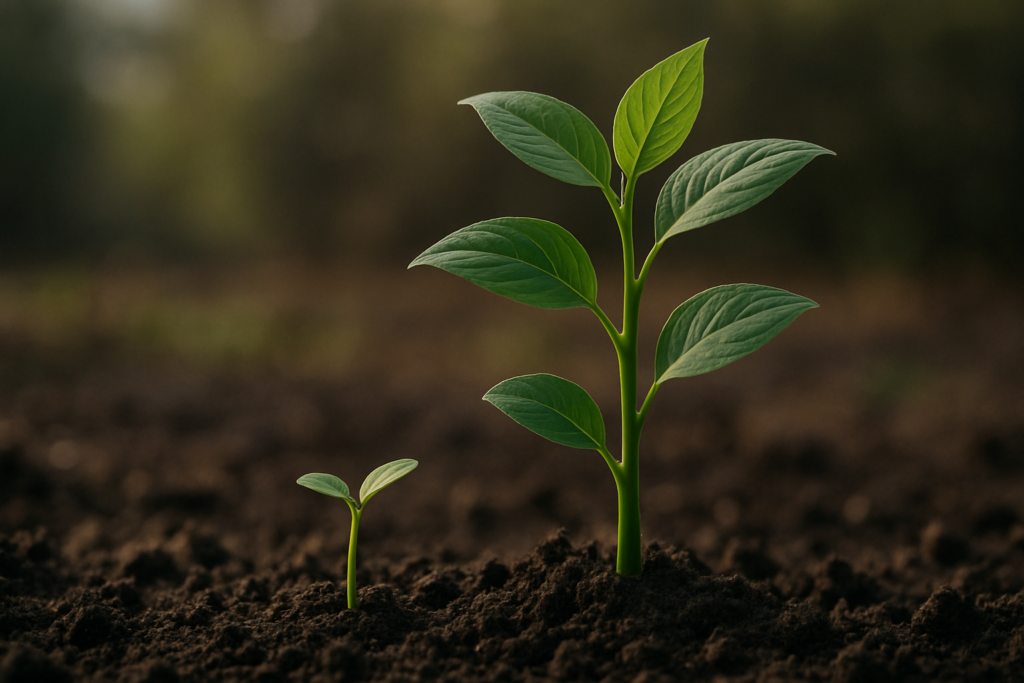
Growth isn’t always visible at the surface — but beneath the surface, your habits, mindset, and discipline are strengthening.
Why Staying Motivated Matters
1. Motivation Keeps Your Vision Alive
Even small, imperfect actions help maintain momentum toward your long-term goals. Motivation acts as the emotional fuel that keeps you moving forward.
2. It Builds Discipline and Resilience
When progress is slow, the ability to keep going becomes more important than speed. This is where resilience, patience, and mental toughness are formed.
3. It Protects You From Burnout
Staying motivated — even at a steady, gentle pace — helps reduce stress, overwhelm, and discouragement that come with feeling stuck or stagnant.
4. It Helps You Appreciate the Journey
Slow seasons teach you to embrace the process instead of obsessing over the outcome. This mindset leads to greater satisfaction and long-term success.
How to Stay Motivated When Results Are Not Immediate
1. Break Big Goals Into Small, Achievable Wins
Huge goals can feel overwhelming. Break them down into micro-tasks you can complete daily or weekly. Small wins create momentum — and momentum builds motivation.
2. Track Your Progress
Use journals, apps, or checklists to document every step forward. Seeing even small improvements reminds you that you’re moving.
3. Celebrate Tiny Victories
Rewarding yourself for small achievements reinforces the belief that progress is happening. Acknowledge every milestone, no matter how small.
4. Focus on Consistency, Not Intensity
You don’t have to make giant leaps every day — you just have to show up. Consistency compounds over time.
5. Limit Comparisons
Everyone’s journey moves at a different pace. Comparing your progress to others creates unnecessary pressure. Focus on your path, your pace, and your growth.
6. Reconnect With Your “Why”
Ask yourself:
Why did I start?
What am I working toward?
What will it feel like when I get there?
Your “why” fuels your motivation when things feel tough.
7. Rest Without Quitting
Sometimes slow progress is a sign that you need a pause — not a stop. Rest. Reset. Then continue.
8. Surround Yourself With Supportive People
Positive, growth-minded individuals can encourage you, hold you accountable, and remind you of how far you’ve come.

The Hidden Benefits of Slow Progress
Slow progress often brings powerful long-term benefits, including:
- Stronger habits
- Greater self-awareness
- More discipline
- Long-lasting results
- Reduced burnout
- Deeper appreciation for success
Fast wins fade. Slow growth stays.
Conclusion
Staying motivated when progress feels slow requires patience, perspective, and a deep trust in your own journey. Every step, no matter how small, is bringing you closer to your goals. Slow progress is still progress — and often, it’s the most meaningful kind.
When you embrace the process, stay consistent, and celebrate tiny wins, you build the mindset and discipline that lead to lasting success.

References
Ryan, R. M., & Deci, E. L. (2000). Intrinsic and Extrinsic Motivations: Classic Definitions and New Directions. Contemporary Educational Psychology, 25, 54–67.
Clear, J. (2018). Atomic Habits: An Easy & Proven Way to Build Good Habits & Break Bad Ones. Avery.
Dweck, C. S. (2006). Mindset: The New Psychology of Success. Random House.
Duckworth, A. (2016). Grit: The Power of Passion and Perseverance. Scribner.
Baumeister, R. F., & Tierney, J. (2011). Willpower: Rediscovering the Greatest Human Strength. Penguin Press.
American Psychological Association. (2019). The Road to Resilience.
https://www.apa.org/topics/resilience
Seligman, M. E. P. (2011). Flourish: A Visionary New Understanding of Happiness and Well-being. Free Press.
Prochaska, J. O., & Velicer, W. F. (1997). The Transtheoretical Model of Health Behavior Change. American Journal of Health Promotion, 12(1), 38–48.
Csikszentmihalyi, M. (1990). Flow: The Psychology of Optimal Experience. Harper & Row.
Bandura, A. (1997). Self-Efficacy: The Exercise of Control. W.H. Freeman.