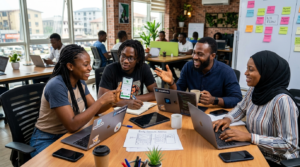

Remote work has shifted from a temporary global necessity to a long-term cultural transformation. As companies embrace hybrid and fully remote models, people around the world are reorganizing how they live, work, travel, learn, and connect. What started as a workplace trend is now reshaping global lifestyles in ways that will continue for generations.
1. Work-Life Balance Is Becoming More Personalized
Remote work has enabled millions to restructure their days around their natural rhythms — not rigid office hours. People can now:
- Spend more time with family
- Integrate personal routines like exercise or hobbies
- Reduce commuting stress
- Build healthier daily habits
This shift supports a lifestyle where flexibility is the new standard, and productivity is measured by outcomes rather than hours spent at a desk.
2. The Digital Nomad Lifestyle Is Going Mainstream
With remote work normalizing worldwide, more people are choosing to:
- Live in affordable cities
- Travel while working
- Experience new cultures without taking time off
- Build careers independent of location
Countries like Portugal, Malta, Indonesia, and Costa Rica now offer digital nomad visas, accelerating this global movement.

3. Home Spaces Are Being Redefined
Homes have evolved into multi-functional environments — blending living, working, learning, and leisure. Modern households now prioritize:
- Dedicated home offices
- Ergonomic work setups
- Smart home technology
- Larger or more flexible spaces
Real estate trends show increasing demand for quiet neighborhoods, good lighting, and home layouts that accommodate remote work setups.
4. Global Talent Pools Are Expanding
The world is becoming one big talent market. Companies now hire based on:
- Skill
- Availability
- Time zone compatibility
—not just location.
Professionals also benefit by securing high-paying jobs without relocating to expensive cities. This has created a more inclusive global workforce with opportunities open to people in smaller towns and developing countries.
5. Mental Health and Social Habits Are Changing
Remote work has brought both benefits and challenges:
Pros
- Reduced burnout for many
- More autonomy
- Increased time for wellness activities
Cons
- Feelings of isolation
- Difficulty establishing boundaries
- Fewer spontaneous social interactions
As a result, companies are investing in virtual socialization, mental-health resources, and hybrid work policies that keep teams connected.

6. The Future of Cities and Migration
Remote work is altering how people choose where to live. Trends include:
- Migration from big cities to suburban or rural areas
- Growth in “Zoom towns” — smaller cities with strong digital infrastructure
- Reduced reliance on central business districts
- Shifts in local economies and housing markets
Cities are evolving to remain attractive through improved digital services, flexible coworking hubs, and lifestyle-friendly public spaces.
7. Education and Skill Development Are Transforming
Remote workers must stay adaptable. As a result:
- Online learning has exploded
- Professionals are constantly reskilling
- Short courses, micro-credentials, and workshops have become essential
This culture of continuous learning is contributing to a more globally competitive workforce.
8. Families and Relationships Are Adapting
Remote work has changed how households function:
- Parents can spend more time with children
- Partners can coordinate schedules more easily
- Dual remote-working couples are relocating internationally without impacting careers
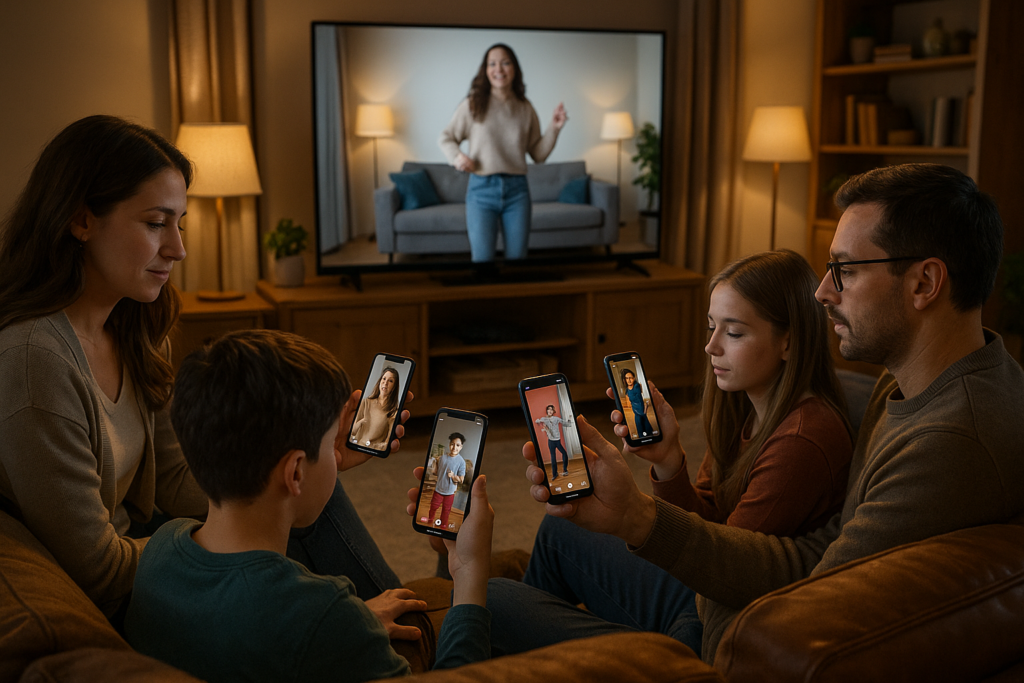
Remote work has created lifestyle stability for some — and new complexities for others — but its overall impact on relationships continues to deepen worldwide.
Conclusion
Remote work is more than a workplace evolution — it’s a global lifestyle revolution. It is influencing how people move, how families function, how cities grow, and how individuals design their lives. As technology continues to evolve, remote work’s impact on global lifestyles will only become more profound and permanent.
References (with External Links)
- Forbes – How Remote Work Is Reshaping the Future of Living: https://www.forbes.com
- McKinsey – What’s Next for Remote Work: https://www.mckinsey.com
- Harvard Business Review – The Changing Landscape of Work: https://hbr.org
- World Economic Forum – Global Migration and Digital Nomads: https://www.weforum.org
- Pew Research Center – Remote Work Trends and Impacts: https://www.pewresearch.org