
Social media has dominated the digital landscape for over a decade, shaping how we communicate, consume news, and engage with brands. But recent trends suggest we may be moving toward a post-social-media era, where traditional platforms lose their influence, and new forms of digital interaction emerge.
This article explores the forces driving this potential shift and what it means for individuals, businesses, and society at large.
1. Signs of Social Media Fatigue
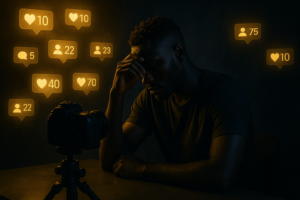
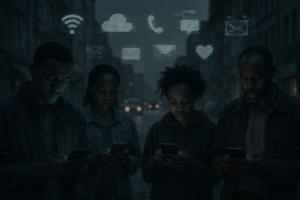
Many users are experiencing burnout from constant connectivity.
Indicators include:
- Increased time spent away from social platforms
- Growing concerns about mental health and screen time
- Frustration with algorithm-driven feeds
- Overexposure to polarized content and misinformation
Users are seeking more meaningful, intentional digital interactions, rather than endless scrolling.
2. Privacy Concerns Are Driving Change
Data breaches, tracking, and targeted advertising have made privacy a top concern.
- Users increasingly distrust platforms with personal information
- Many are turning to privacy-focused apps and encrypted communication tools
- Regulations like GDPR and CCPA are reshaping how platforms handle user data
Privacy-conscious behavior signals a shift away from traditional social media norms.
3. The Rise of Niche and Community-Driven Platforms
Rather than one-size-fits-all social networks, users are migrating toward smaller, interest-based communities:
- Platforms focused on hobbies, skills, or professional interests
- Private chat groups and Discord servers
- Subscriptions-based social spaces like Patreon
- Community-driven audio or video platforms
Smaller networks often provide deeper engagement and a stronger sense of belonging.
4. Short-Form and Ephemeral Content Dominates
Attention spans are shrinking, and platforms that cater to micro-content are thriving:
- TikTok, Instagram Reels, and Shorts dominate engagement
- Snapchat and BeReal emphasize ephemeral, authentic moments
- Audio snippets and mini-podcasts create quick, consumable experiences
The era of static profiles and endless feeds may be giving way to dynamic, bite-sized content.
5. The Influence of AI on Social Interactions
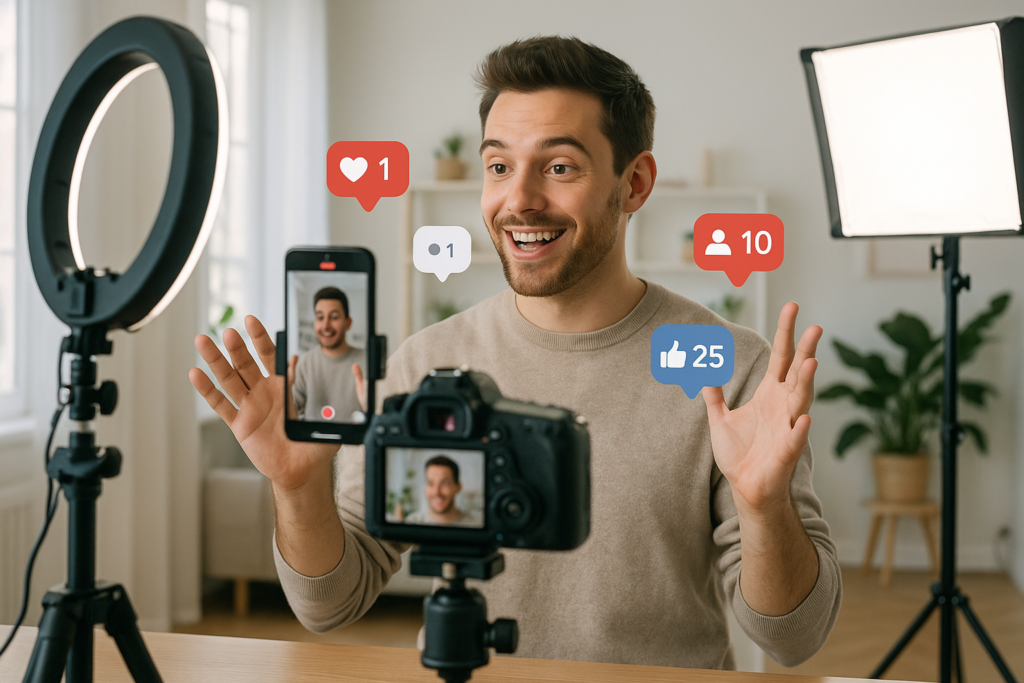
Artificial intelligence is transforming how people create, consume, and interact online:
- AI-generated content blurs authenticity
- Personalized feeds become hyper-targeted
- Virtual influencers and AI avatars create new social paradigms
AI may redefine the social media experience, making traditional platforms less central.
6. Monetization and Creator-First Platforms
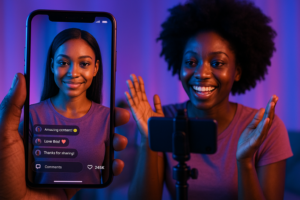
Creators are driving a shift in social behavior:
- Direct-to-audience monetization models reduce reliance on platform algorithms
- Micro-subscriptions, fan memberships, and exclusive content empower creators
- Platforms that reward authenticity and engagement over ads are gaining traction
This trend challenges the dominance of traditional ad-driven social media.
7. Implications for Businesses and Brands
Brands need to rethink their digital strategies:
- Move beyond follower counts and likes
- Focus on community-building and authentic engagement
- Diversify content across multiple platforms and channels
- Embrace emerging formats like short audio, video, and immersive experiences
The post-social-media era favors relationship-driven, value-based marketing.
8. Is Social Media Really Ending?
Not necessarily — but its dominance may decline.
- Platforms will evolve or fragment
- User behavior will prioritize privacy, authenticity, and relevance
- Engagement may shift to community-first, creator-driven, and AI-enhanced spaces
We may not be leaving social media entirely, but we are entering a new phase of digital interaction.
Conclusion
The post-social-media era isn’t about disappearance; it’s about transformation. Users demand authenticity, privacy, and meaningful connection, while emerging technologies and niche platforms reshape digital communication. For businesses and individuals, adapting to this evolution will be key to thriving in the next chapter of the online world.
References (External Links)
- Pew Research Center – Social Media Trends
https://www.pewresearch.org - Harvard Business Review – The Future of Social Media
https://hbr.org - Forbes – Social Media Fatigue and Shifts
https://www.forbes.com - Statista – Social Media Usage Reports
https://www.statista.com - MIT Technology Review – AI and Social Platforms
https://www.technologyreview.com