
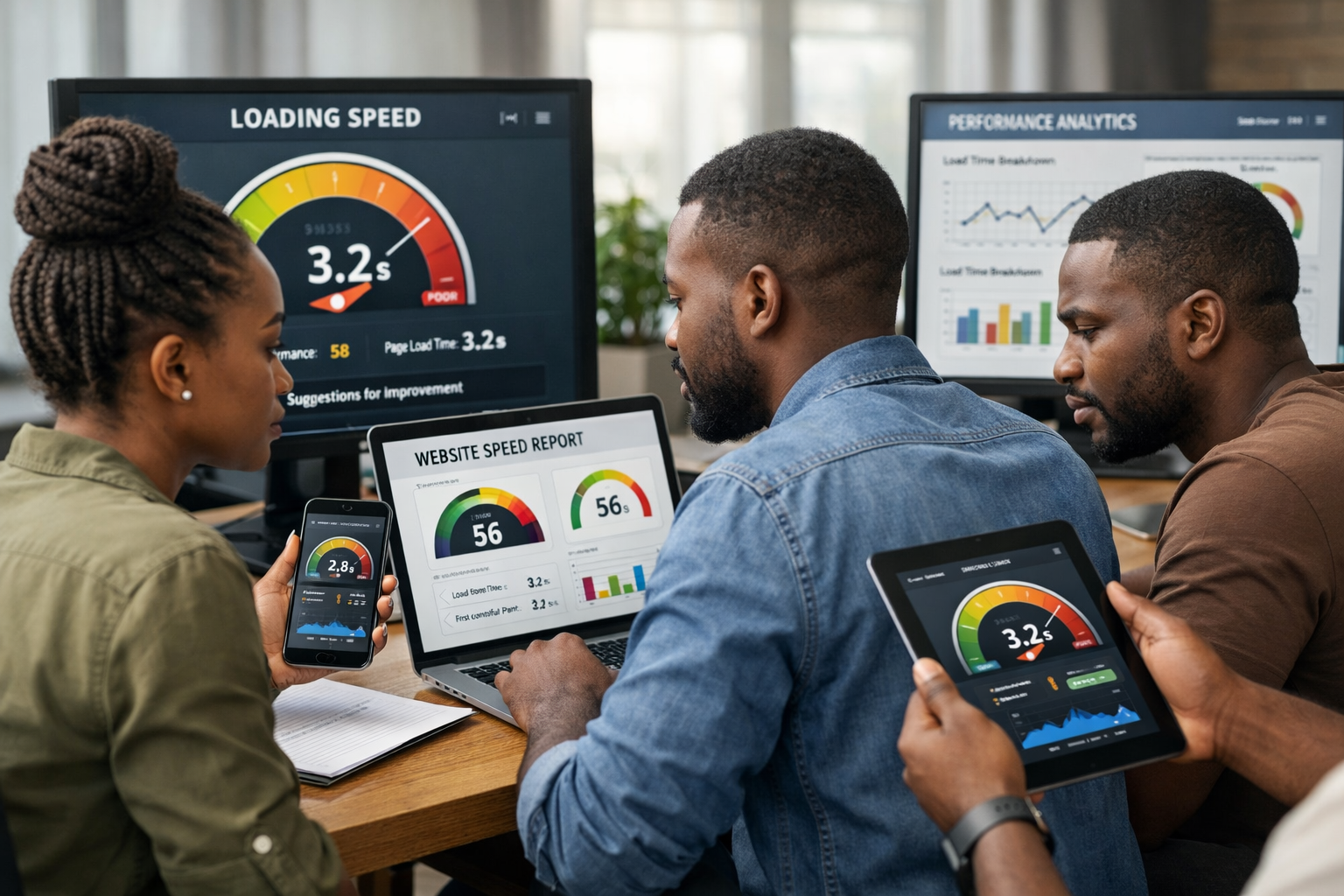
The modern internet is built on immediacy. Users expect answers instantly, pages to load smoothly, and interactions to feel effortless. In this environment, website speed is no longer a technical optimization—it’s a core business strategy.
A slow website doesn’t just frustrate users; it quietly pushes them toward faster competitors.
1. Speed Defines Digital Experience
Website speed shapes how users experience your brand before they read a single word.
Fast websites feel:
- Reliable
- Modern
- Trustworthy
Slow websites feel outdated and careless, regardless of how good the content or offer may be.

2. Attention Spans Are Shrinking
Users today multitask across multiple apps and platforms.
When a site takes too long to load:
- Attention shifts elsewhere
- Users abandon pages quickly
- First impressions are permanently damaged
Speed aligns with how people now consume information—quickly and selectively.
3. Speed Is a Ranking Factor, Not a Bonus
Search engines prioritize user experience.
Google evaluates:
- Largest Contentful Paint (LCP)
- Interaction to Next Paint (INP)
- Cumulative Layout Shift (CLS)
These metrics directly influence search visibility. A slow site struggles to compete, even with strong content.
4. Mobile-First Makes Speed Non-Negotiable
Mobile traffic dominates the web.
On mobile:
- Network conditions vary
- Users are less patient
- Poor performance leads to immediate exits
If your site isn’t optimized for mobile speed, you’re losing a large portion of potential visitors.
5. Speed Impacts Revenue and Leads
Performance affects user behavior.
Slow websites result in:
- Lower conversion rates
- Reduced form completions
- Fewer purchases and inquiries
Even small speed improvements can lead to measurable increases in revenue and engagement.
6. Trust Is Built Through Performance
Speed signals professionalism.
Users subconsciously associate fast websites with:
- Credibility
- Security
- Operational competence
If a website struggles to load, users may question the reliability of the business itself.

7. Accessibility and Inclusivity Depend on Speed
Not all users have fast devices or strong internet connections.
Optimized speed:
- Supports users on low bandwidth
- Reduces friction for assistive technologies
- Improves usability for everyone
Performance is a key part of inclusive design.
8. What Slows Websites Down
Common speed killers include:
- Heavy images and videos
- Excessive third-party scripts
- Poor hosting
- Unoptimized themes and plugins
- Lack of caching
Speed optimization requires both technical and strategic decisions.
9. Speed as a Competitive Advantage
In crowded digital markets, performance sets brands apart.
Fast websites:
- Retain users longer
- Rank higher in search
- Convert better
- Create smoother customer journeys
Speed is one of the few advantages users notice immediately.
Conclusion
Website speed is more important than ever because it directly affects visibility, trust, usability, and revenue. In a digital world where users have unlimited options and little patience, performance is no longer optional. Brands that prioritize speed don’t just perform better technically—they win attention, loyalty, and growth.
References (External Links)
- Google Developers – Web Performance & Core Web Vitals
https://developers.google.com - Google Search Central – Page Experience Signals
https://developers.google.com/search - Think with Google – Mobile Speed and User Behavior
https://www.thinkwithgoogle.com - HubSpot – How Website Speed Affects Conversions
https://blog.hubspot.com - Akamai – Performance and Consumer Expectations
https://www.akamai.com