

Introduction
The internet has transformed how people access and share knowledge. In the past, education and expertise were largely controlled by schools, universities, publishing companies, and traditional institutions. Today, knowledge creators and online educators are reshaping learning by making information more accessible, flexible, and widely available.
From YouTube tutorials and online courses to podcasts and educational newsletters, millions of people now learn directly from independent creators online. These creators simplify complex topics, teach practical skills, and build digital communities centered around learning and personal growth.
As digital platforms continue to evolve, knowledge creators are becoming increasingly influential in education, business, and professional development.
1. Who Knowledge Creators Are
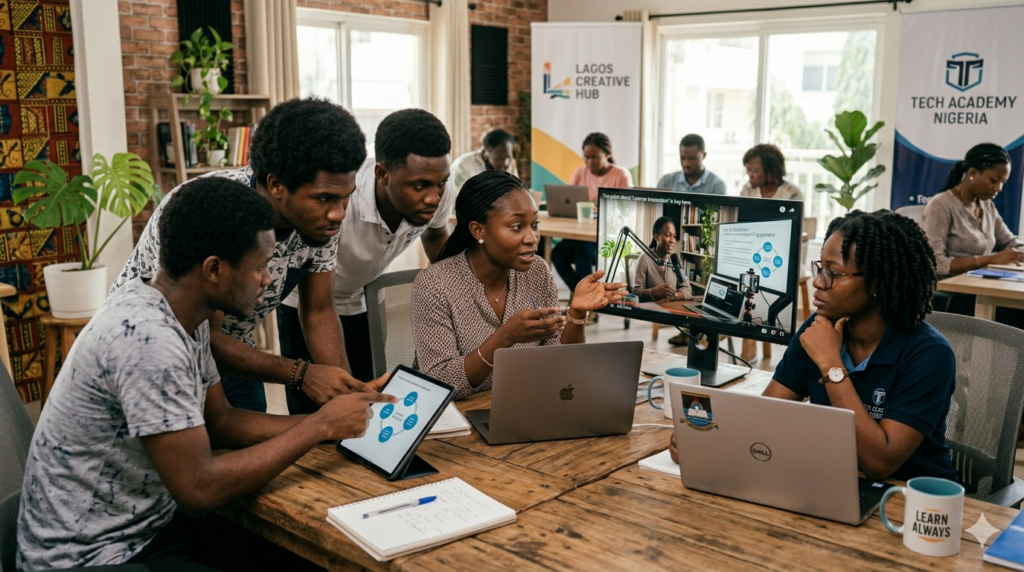
Knowledge creators are individuals or organizations that share educational, informative, or skill-based content online.
They may include:
- Online educators
- Industry experts
- Coaches and consultants
- Content creators
- Professionals sharing expertise
- Independent researchers and analysts
Their content often focuses on helping audiences learn new ideas, solve problems, or improve specific skills.
Knowledge creators make learning more accessible outside traditional educational systems.
2. The Internet Expanded Access to Education
Digital platforms have removed many barriers to learning.
People can now access educational content:
- From anywhere in the world
- At any time
- On multiple devices
- Often at low or no cost
This accessibility has increased opportunities for self-education and continuous learning.
Online education allows people to develop skills beyond traditional classrooms.
3. Video Platforms Changed Learning Habits
Video content has become one of the most popular forms of online education.
Platforms like YouTube allow creators to teach through:
- Tutorials
- Explainer videos
- Demonstrations
- Educational series
- Live sessions
Visual learning often makes information easier to understand and more engaging.
Short-form and long-form educational videos continue to attract large audiences worldwide.
4. Online Courses Created New Learning Models
Online course platforms have changed how people develop professional and personal skills.
Digital courses allow learners to:
- Learn at their own pace
- Access structured lessons
- Revisit materials anytime
- Study specialized topics
Knowledge creators now build businesses around teaching expertise directly to online audiences.
This has expanded educational opportunities beyond formal institutions.
5. Social Media Became an Educational Tool
Social media platforms are no longer used only for entertainment and communication.
Many creators now share educational content through:
- Short videos
- Infographics
- Threads and posts
- Live streams
- Interactive discussions
Educational content on social media often reaches audiences quickly because of platform algorithms and shareability.
Learning is increasingly integrated into daily digital experiences.

6. Knowledge Creators Build Communities
Online educators often create communities around shared interests and learning goals.
These communities may include:
- Discussion groups
- Membership platforms
- Online forums
- Live Q&A sessions
- Private learning communities
Community-driven learning encourages interaction, collaboration, and long-term engagement.
People often stay connected because of both the content and the community experience.
7. Specialized Knowledge Is More Valuable
The internet has increased demand for specialized expertise.
Knowledge creators now teach topics such as:
- Digital marketing
- Graphic design
- Coding
- Finance
- Business strategy
- Productivity
- Content creation
Niche expertise often attracts highly engaged audiences looking for practical solutions and career growth.
Specialized learning continues to grow rapidly online.
8. Personal Branding Drives Creator Growth
Many successful online educators build strong personal brands.
Audiences are often drawn to creators who appear:
- Authentic
- Knowledgeable
- Relatable
- Consistent
Personal branding helps creators build trust and recognition.
Strong creator brands often lead to loyal communities and long-term influence.
9. Monetization Created New Career Opportunities
Knowledge creation has become a full-time career for many people.
Creators now monetize educational content through:
- Online courses
- Sponsorships
- Memberships
- Consulting
- Advertising revenue
- Digital products
The creator economy has expanded opportunities for independent educators worldwide.
Teaching online is now both an educational and entrepreneurial opportunity.
10. Challenges Facing Online Education
Despite its growth, online education also faces challenges.
Common concerns include:
- Information accuracy
- Content quality
- Misinformation
- Lack of regulation
- Audience trust
- Oversaturation of content
Not all online educational content is equally reliable.
Critical thinking and source verification remain important for learners.
11. The Future of Digital Learning
Technology continues to reshape online education.
Emerging trends include:
- Artificial intelligence learning tools
- Interactive educational experiences
- Personalized learning systems
- Virtual classrooms
- Global collaboration platforms
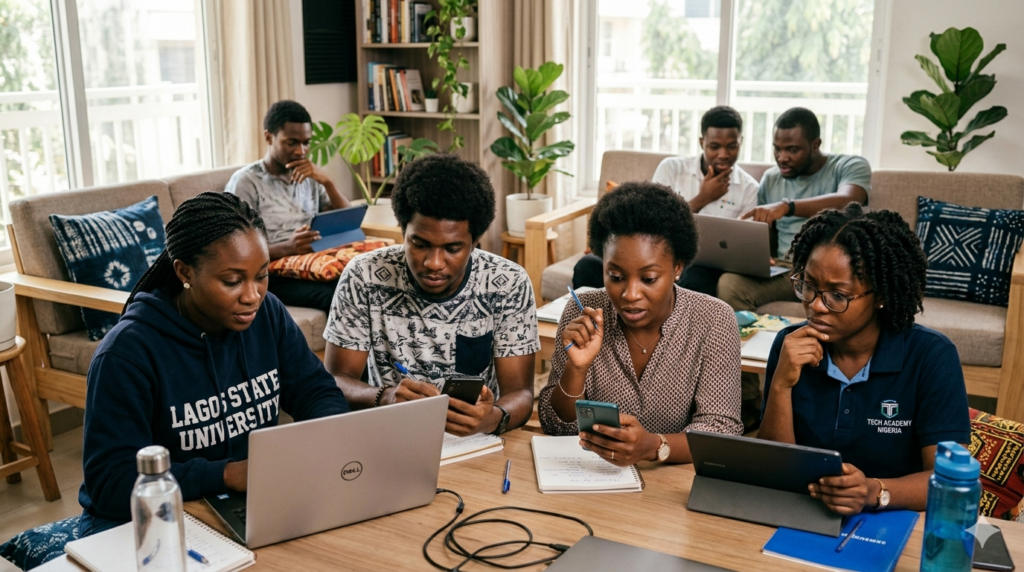
The future of education will likely combine traditional learning with digital knowledge-sharing models.
Online educators will continue playing a growing role in how people develop skills and access information.
Conclusion
The rise of knowledge creators and online educators has transformed modern learning. Digital platforms now allow individuals to share expertise, teach practical skills, and build global educational communities.
Online education has increased accessibility, flexibility, and opportunities for lifelong learning. At the same time, it has created new industries and career paths within the creator economy.
As technology continues to evolve, knowledge creators will likely remain a major force shaping the future of education and information sharing.
References
- Pew Research Center — Digital Learning and Online Education Trends
Pew Research Center - Harvard Business Review — The Growth of the Creator Economy
Harvard Business Review - Think with Google — How People Learn Online
Think with Google - EdSurge — The Evolution of Online Education
EdSurge - World Economic Forum — The Future of Education and Digital Skills
World Economic Forum