Introduction
For much of modern history, ownership was often viewed as a sign of success, security, and convenience. People purchased cars, music collections, software, movies, and various other products because owning them provided long-term access and control.
Today, however, consumer behavior is changing. Increasingly, people are choosing access over ownership. Instead of buying products outright, consumers are subscribing to services, renting assets, streaming content, and using on-demand platforms.
This shift is being driven by technology, changing lifestyles, economic considerations, and evolving consumer preferences. As access-based models continue to grow, they are transforming industries and reshaping how people interact with products and services.
1. Understanding the Access Economy
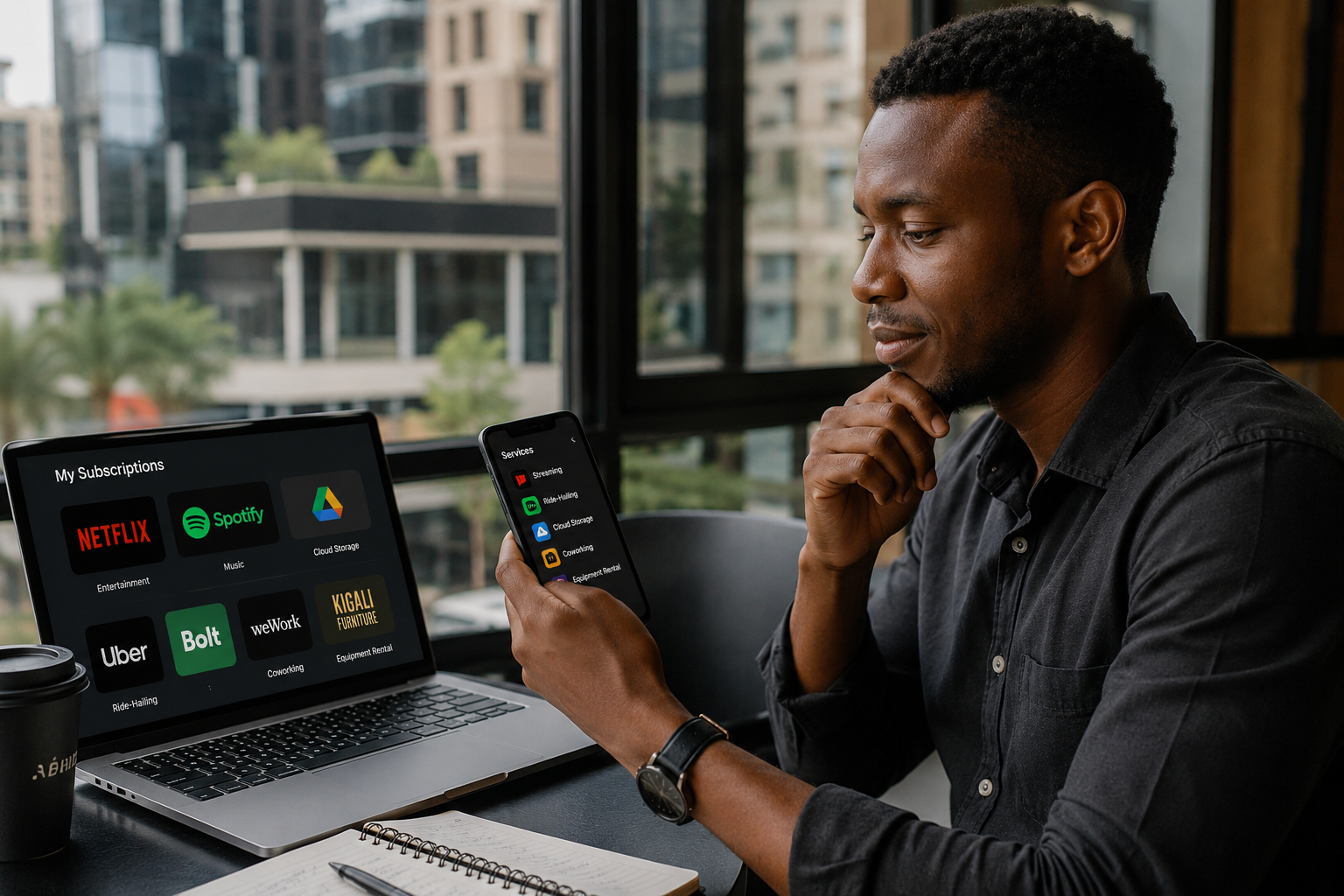
The access economy refers to a model in which consumers pay for the ability to use a product or service without owning it permanently.
Examples include:
- Streaming entertainment services
- Subscription software
- Ride-sharing platforms
- Equipment rentals
- Co-working spaces
- Subscription boxes
In this model, consumers prioritize convenience and flexibility over ownership.
Access becomes more valuable than possession.

2. Technology Has Made Access Easier
Digital technology has made access-based services simple and convenient.
Consumers can now:
- Stream movies instantly
- Subscribe to software online
- Book transportation through mobile apps
- Rent accommodations globally
- Access cloud-based storage
Technology reduces the friction traditionally associated with temporary usage.
Convenience is a major factor driving adoption.
3. Consumers Value Flexibility
Modern consumers often prefer flexibility over long-term commitments.
Access-based models allow people to:
- Use services when needed
- Avoid lengthy contracts
- Switch providers easily
- Scale usage up or down
This flexibility aligns with changing lifestyles and evolving consumer expectations.
People increasingly want solutions that adapt to their needs.
4. Lower Upfront Costs Influence Decisions
Ownership often requires significant initial investment.
Examples include:
- Purchasing vehicles
- Buying expensive software
- Acquiring specialized equipment
Access-based services spread costs over time through subscriptions, rentals, or pay-per-use models.
Lower upfront costs make products and services more accessible to a broader audience.
Affordability contributes significantly to the popularity of access-based models.
5. The Rise of Subscription Services
Subscription models have become one of the most visible examples of the shift from ownership to access.
Consumers now subscribe to:
- Entertainment platforms
- Music services
- Fitness programs
- Software applications
- Educational content
Subscriptions provide continuous access while reducing the need for large one-time purchases.
Businesses benefit from recurring revenue and stronger customer relationships.
6. The Sharing Economy Supports Access
The growth of the sharing economy has accelerated this trend.
Consumers increasingly access shared resources such as:
- Vehicles
- Housing
- Workspaces
- Equipment
Rather than purchasing underutilized assets, individuals can use resources only when necessary.
This approach often improves efficiency and reduces waste.

7. Digital Content Has Transformed Ownership
The entertainment industry offers a clear example of changing consumer behavior.
In the past, consumers often purchased:
- DVDs
- CDs
- Software discs
- Physical books
Today, many consumers access content through:
- Streaming platforms
- Digital libraries
- Cloud-based services
Convenient access has reduced the need for physical ownership.
Digital delivery has fundamentally changed media consumption.
8. Sustainability Influences Consumer Preferences
Environmental concerns are encouraging some consumers to embrace access-based models.
Shared usage can potentially:
- Reduce resource consumption
- Lower waste production
- Improve asset utilization
- Support sustainable consumption practices
Consumers are becoming more aware of the environmental impact of purchasing and ownership decisions.
Sustainability considerations increasingly influence buying behavior.
9. Businesses Are Adapting Their Models
Organizations are responding to changing consumer preferences by developing access-focused business models.
Examples include:
- Subscription-based offerings
- Rental programs
- Membership services
- On-demand platforms
These models allow businesses to create ongoing customer relationships rather than relying solely on one-time transactions.
Innovation is helping companies meet evolving market demands.
10. Challenges of Access-Based Consumption
While access models offer many advantages, they also present challenges.
Potential concerns include:
- Ongoing subscription costs
- Dependence on service providers
- Loss of permanent ownership
- Privacy and data concerns
- Service interruptions
Consumers must evaluate whether access or ownership provides greater value for their specific needs.
The best choice often depends on usage patterns and priorities.
11. The Future of Consumer Behavior
The shift toward access is likely to continue as technology advances and consumer expectations evolve.
Future trends may include:
- Expanded subscription ecosystems
- Greater personalization
- More shared services
- AI-driven recommendations
- Increased digital access models
Ownership will remain important in certain areas, but access-based solutions are expected to play an increasingly significant role in everyday life.
Consumer behavior will continue adapting to convenience, flexibility, and technological innovation.

Conclusion
The shift from ownership to access represents one of the most significant changes in modern consumer behavior. Driven by technology, affordability, flexibility, and changing lifestyles, consumers are increasingly choosing access-based solutions over permanent ownership.
From streaming services and software subscriptions to ride-sharing and shared workspaces, businesses are adapting to meet evolving expectations. While ownership still has value in many situations, access-based models offer convenience and flexibility that appeal to today’s consumers.
As the digital economy continues to expand, the balance between ownership and access will remain a defining feature of how people consume products and services in the future.
References
- Harvard Business Review — The Rise of the Access Economy
Harvard Business Review - McKinsey & Company — Consumer Trends in Subscription and Access Models
McKinsey & Company - World Economic Forum — How the Sharing Economy Is Transforming Consumption
World Economic Forum - OECD — Digital Transformation and Consumer Behavior
OECD - Deloitte — The Future of Subscription-Based Business Models
Deloitte