
Introduction
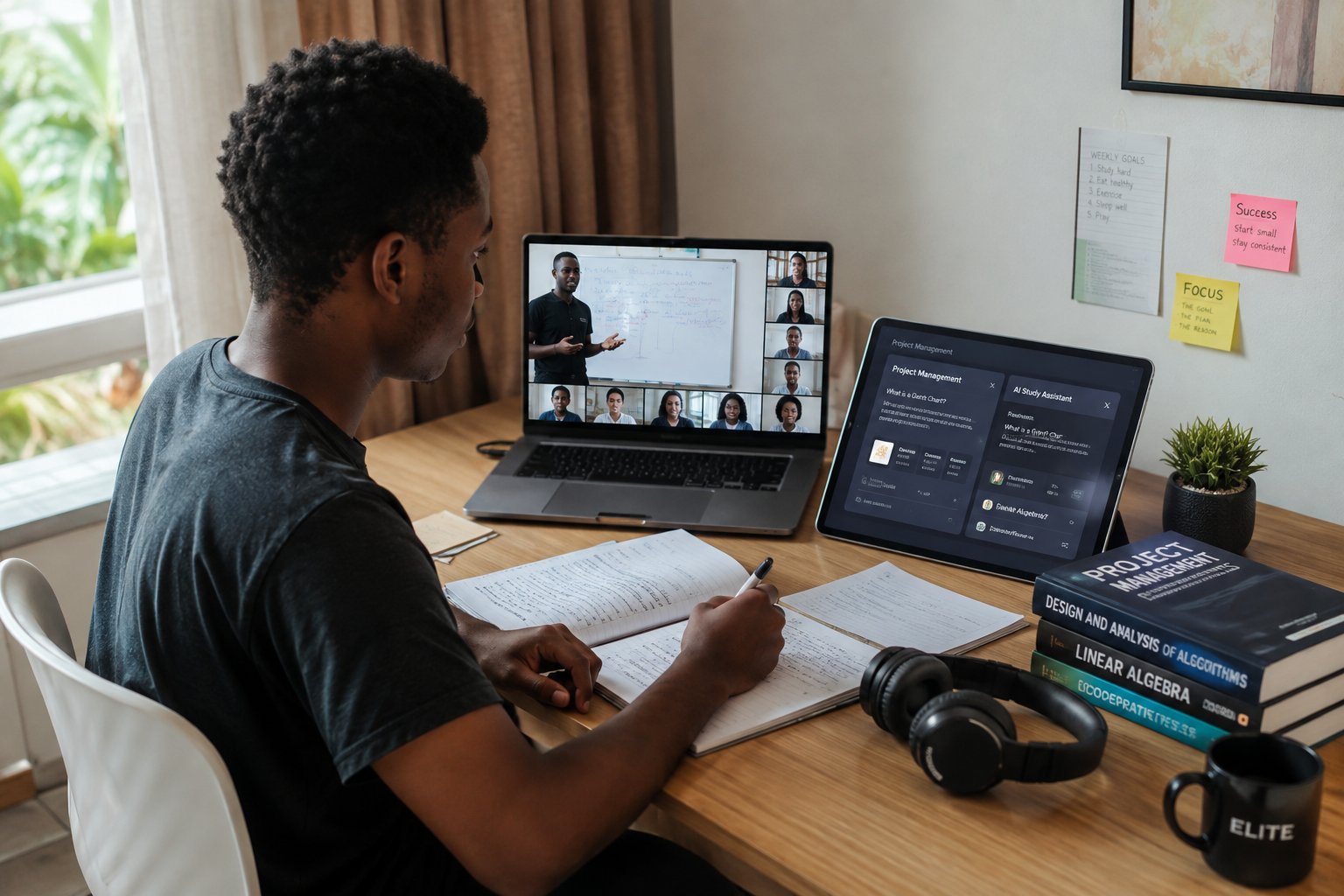
Online learning has transformed the way people access education, professional training, and new skills. What once consisted mainly of recorded lectures and downloadable materials has developed into a more interactive and personalized learning experience supported by artificial intelligence, video conferencing, digital collaboration tools, and learning management systems.
Students can now learn from instructors and institutions around the world without being physically present in a traditional classroom. Professionals can develop new skills alongside their careers, while organizations can provide training to employees across different locations.
As technology and learner expectations continue to change, online learning is becoming more flexible, interactive, personalized, and accessible.
1. Learning Is Becoming More Accessible
One of the biggest advantages of online learning is the ability to access educational resources from almost anywhere.
Learners can take advantage of:
- Online courses
- Digital libraries
- Educational videos
- Virtual classrooms
- Online certifications
- Interactive learning platforms
This has expanded opportunities for people who may face geographical, scheduling, or other barriers to traditional education.
Technology is making learning more accessible.

2. Flexible Learning Is Becoming the Norm
Online education allows learners to study at times that fit their schedules.
Students can often:
- Watch recorded lessons
- Study at their own pace
- Review difficult topics
- Complete assignments remotely
- Combine education with work or other responsibilities
This flexibility makes online learning particularly useful for lifelong learners and working professionals.
Learning can increasingly fit around people’s lives.
3. Artificial Intelligence Is Personalizing Education
Artificial intelligence is becoming an important part of digital learning.
AI-powered systems can help:
- Recommend learning materials
- Identify areas where students need additional support
- Generate practice questions
- Provide automated feedback
- Assist with personalized learning paths
These capabilities can help learners receive experiences that are better aligned with their individual needs.
AI is helping make digital education more adaptive.
4. Interactive Learning Is Replacing Passive Learning
Online education is becoming more interactive than earlier digital learning models.
Modern platforms may include:
- Interactive quizzes
- Simulations
- Virtual laboratories
- Discussion forums
- Gamified activities
- Live classes
Interactive experiences encourage learners to actively participate rather than simply watch or read.
Engagement can improve the learning experience.
5. Video Has Become Central to Online Education
Video remains one of the most important formats for digital learning.
Educators can use video for:
- Lectures
- Demonstrations
- Tutorials
- Interviews
- Recorded lessons
- Practical explanations
Learners can pause, replay, and revisit lessons whenever necessary.
Video makes complex concepts easier to demonstrate and revisit.
6. Mobile Learning Is Expanding
Smartphones and tablets allow people to learn beyond traditional study environments.
Mobile learning enables students to:
- Watch lessons while traveling
- Read educational materials
- Complete quizzes
- Participate in discussions
- Access course platforms
This makes learning more portable and convenient.
Education is increasingly available wherever learners have a suitable device and connection.
7. Online Communities Improve Collaboration
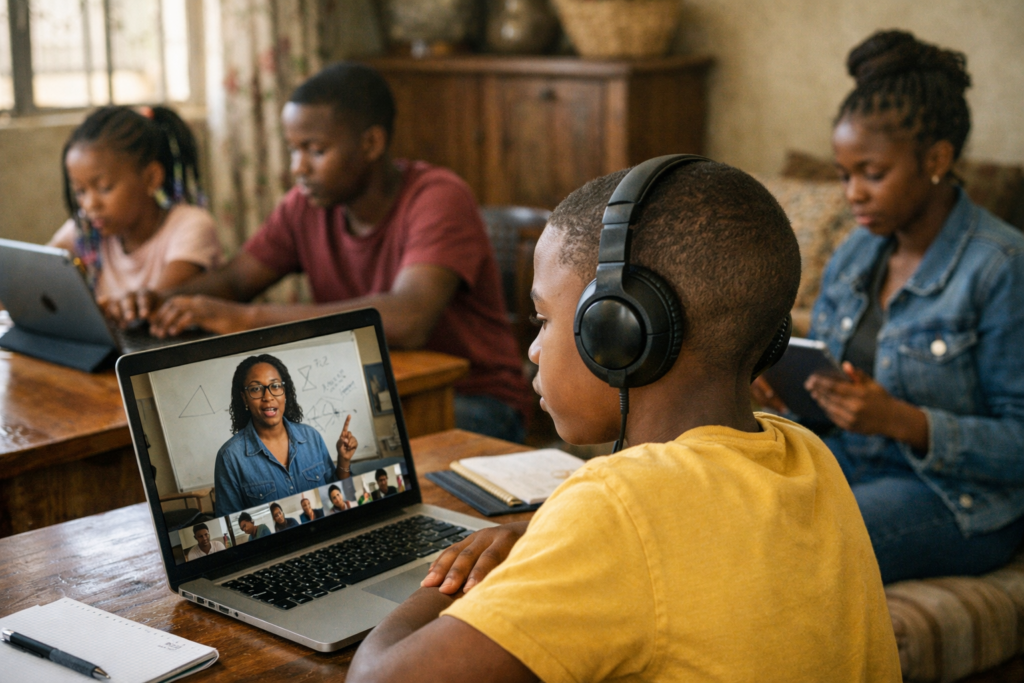
Digital learning is no longer limited to individual study.
Learners can collaborate through:
- Discussion groups
- Video meetings
- Shared documents
- Online communities
- Peer-review activities
These interactions allow students to exchange ideas, ask questions, and learn from different perspectives.
Community can make online learning more engaging.
8. Short-Form Learning Is Growing
Many learners now prefer smaller lessons that focus on specific concepts or skills.
Short-form learning can include:
- Brief instructional videos
- Quick tutorials
- Micro-courses
- Short quizzes
- Skill-based lessons
Breaking complex subjects into smaller sections can make learning easier to manage.
Small learning units can support continuous skill development.
9. Online Learning Is Supporting Lifelong Education
Education is no longer limited to childhood, university, or formal academic programs.
People can use online learning to develop:
- Professional skills
- Technical abilities
- Business knowledge
- Creative skills
- Personal interests
This supports continuous development throughout different stages of life.
Learning is becoming an ongoing process.
10. Businesses Are Increasingly Using Online Training
Organizations are also benefiting from the evolution of online learning.
Businesses can use digital platforms for:
- Employee onboarding
- Professional development
- Compliance training
- Technical education
- Leadership development
Online training allows organizations to educate employees across multiple locations while tracking learning progress.
Digital education supports workforce development.
11. Challenges Still Remain
Despite its advantages, online learning faces several challenges.
These include:
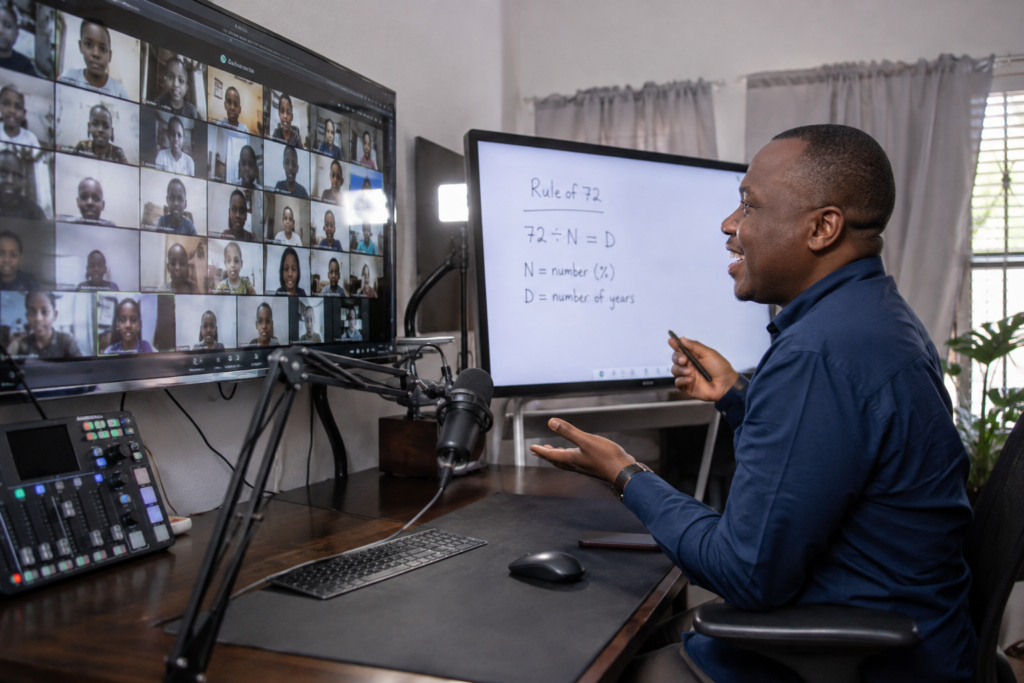
- Unequal internet access
- Limited access to digital devices
- Maintaining learner motivation
- Screen fatigue
- Quality differences between courses
- Limited opportunities for hands-on learning
Addressing these issues is essential to ensuring that online education remains effective and inclusive.
Technology alone cannot solve every educational challenge.
12. The Future of Online Learning
Online learning will continue to evolve as technology advances.
Future developments may include:
- More sophisticated AI tutors
- Immersive virtual learning environments
- Advanced simulations
- Greater personalization
- Improved accessibility tools
- More collaborative global classrooms
The combination of technology and effective teaching methods could create increasingly engaging learning experiences.
The future of education will likely combine digital flexibility with human guidance.
Conclusion
Online learning has evolved from simple digital course materials into a dynamic educational ecosystem supported by video, artificial intelligence, mobile technology, interactive tools, and online communities. These developments have made learning more flexible, accessible, and personalized.
However, successful online education requires more than technology. Quality teaching, learner engagement, reliable infrastructure, and human interaction remain essential components of effective learning.
As digital education continues to develop, the goal should not simply be to move traditional teaching online but to use technology to create better ways for people to learn, collaborate, and develop skills throughout their lives.
Ultimately, online learning is evolving from a convenient alternative to traditional education into an important part of the future of lifelong learning.
References
- UNESCO — Digital Learning and Education Resources
UNESCO - OECD — Digital Education and Learning Research
OECD - World Economic Forum — Education, Skills, and the Future of Learning
World Economic Forum - EDUCAUSE — Teaching and Learning with Technology
EDUCAUSE - World Bank — Education Technology and Digital Learning
World Bank