
Introduction
The entertainment industry has undergone a remarkable transformation over the past decade, driven largely by the rise of streaming platforms. Instead of relying solely on traditional television schedules, physical media, or movie theaters, audiences can now access a vast library of content whenever and wherever they choose.
Streaming services have changed how people discover, watch, and share entertainment. From movies and television series to music, podcasts, and live events, digital platforms have made entertainment more accessible, personalized, and convenient than ever before.
As technology continues to evolve, streaming platforms are reshaping audience expectations, content creation, and the future of the global entertainment industry.
1. What Are Streaming Platforms?
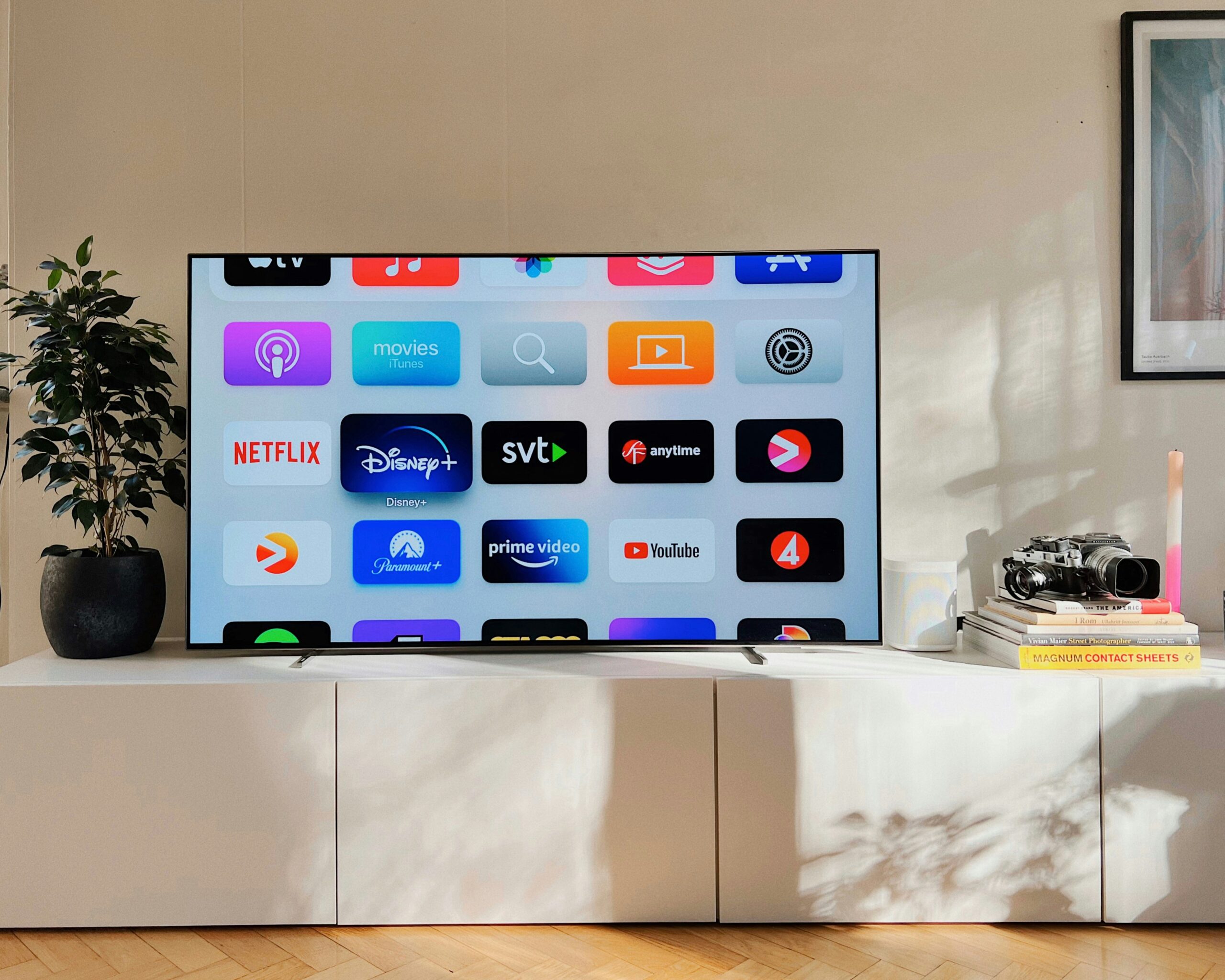
Streaming platforms are digital services that deliver audio and video content over the internet without requiring users to download complete files before viewing or listening.
These platforms offer access to:
- Movies
- Television series
- Music
- Podcasts
- Live broadcasts
- Educational content
- Original productions
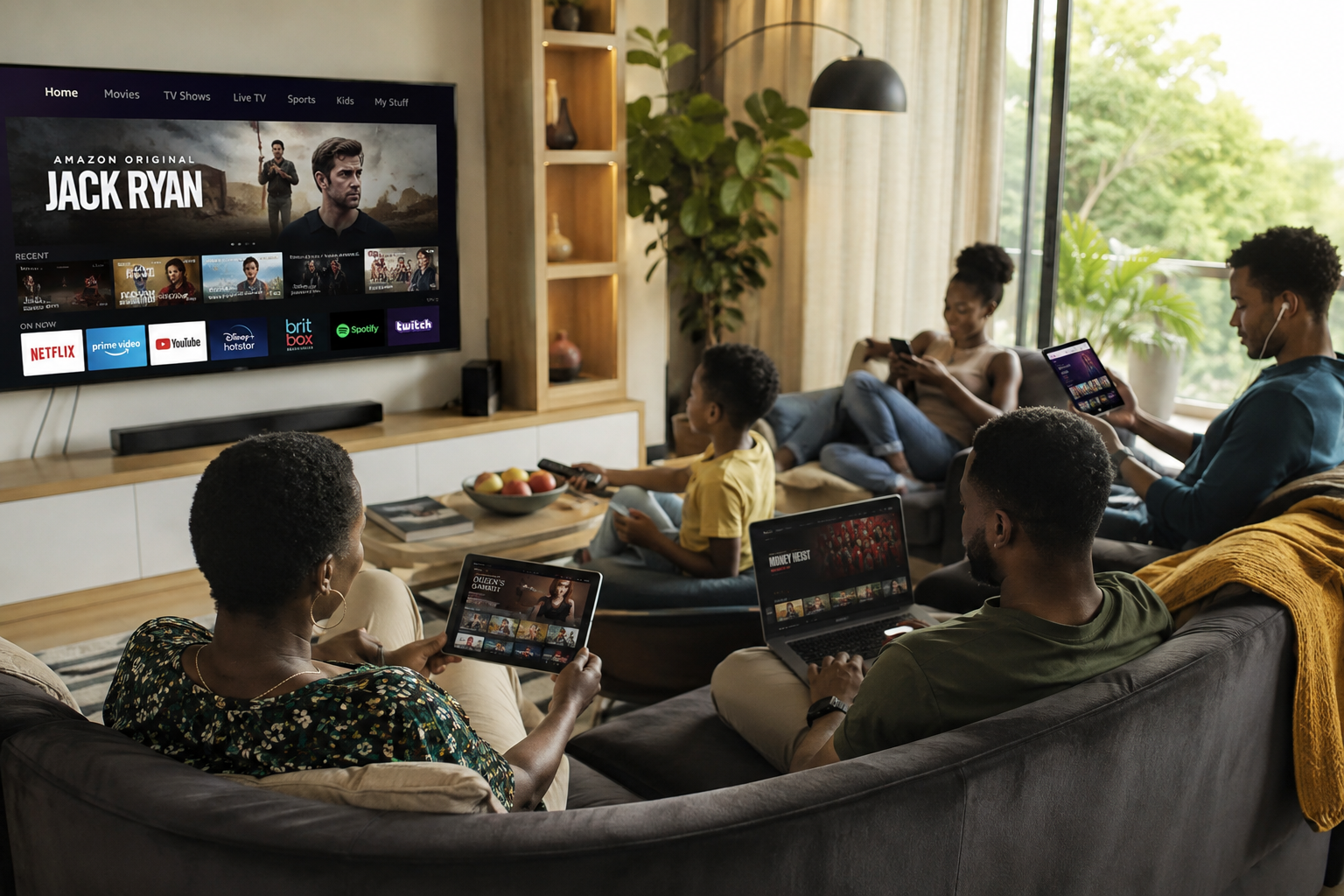
Users can enjoy entertainment on smartphones, tablets, computers, smart TVs, and other connected devices.
Streaming has made digital entertainment more accessible than ever.
2. Entertainment Is Available Anytime
One of the biggest advantages of streaming is convenience.
Instead of following fixed broadcast schedules, audiences can:
- Watch content on demand
- Pause and resume programs
- Create personal watchlists
- Access entertainment while traveling
- Enjoy content across multiple devices
This flexibility allows viewers to consume content on their own schedules.
Convenience has become a defining feature of modern entertainment.
3. Personalized Content Recommendations
Streaming platforms use artificial intelligence and data analysis to recommend content based on user preferences.
Recommendations may consider:
- Viewing history
- Favorite genres
- Previously watched content
- Search behavior
- User ratings
Personalized recommendations help audiences discover new content more easily.
Relevant suggestions improve the overall viewing experience.
4. Original Content Is Reshaping the Industry
Many streaming platforms now invest heavily in producing original content.
This includes:
- Exclusive movies
- Original television series
- Documentaries
- Reality shows
- Animated productions
Original programming allows platforms to differentiate themselves while giving audiences access to unique entertainment.
Exclusive content has become a major competitive advantage.
5. Global Access to Diverse Content
Streaming has expanded access to entertainment from around the world.
Audiences can now enjoy:
- International films
- Foreign-language television series
- Regional documentaries
- Global music
- Cultural programming
This broader access encourages cultural exchange and introduces viewers to stories from different parts of the world.
Global distribution has expanded creative opportunities.

6. Opportunities for Content Creators
Streaming has created new opportunities for filmmakers, musicians, educators, and independent creators.
Digital platforms allow creators to:
- Reach global audiences
- Distribute content directly
- Build loyal communities
- Explore new storytelling formats
- Generate revenue through digital channels
Technology has lowered barriers for creative professionals.
More voices now have opportunities to be heard.
7. Mobile Streaming Continues to Grow
Smartphones have become one of the most popular devices for consuming entertainment.
Mobile streaming allows users to:
- Watch videos on the move
- Listen to music anywhere
- Download content for offline viewing
- Switch seamlessly between devices
As mobile internet continues to improve, portable entertainment is becoming even more accessible.
Mobility has changed viewing habits.
8. Data Helps Improve User Experience
Streaming platforms analyze user behavior to improve their services.
Insights may include:
- Popular content
- Viewing patterns
- Audience preferences
- Device usage
- Engagement trends
This information helps platforms enhance recommendations, improve interfaces, and develop new content.
Data-driven decisions improve customer satisfaction.

9. Challenges Facing Streaming Platforms
Despite their success, streaming services face several challenges.
These include:
- Increasing competition
- Subscription costs
- Content licensing issues
- Internet connectivity limitations
- Content discovery across multiple platforms
Balancing affordability, quality, and content availability remains important for long-term success.
Innovation continues to address these challenges.
10. Emerging Technologies Are Shaping the Future
Technology continues to expand the possibilities of digital entertainment.
Emerging developments include:
- AI-powered content recommendations
- Interactive storytelling
- Virtual reality experiences
- Higher-quality video streaming
- Cloud-based gaming integration
These innovations will create even more immersive and personalized entertainment experiences.
Technology continues to redefine audience expectations.
11. The Future of Streaming Entertainment
Streaming platforms are expected to remain central to the entertainment industry.
Future trends may include:
- Greater personalization
- More live-streamed events
- Expanded global collaborations
- Improved accessibility features
- Increased use of artificial intelligence
- More interactive viewing experiences
Businesses that continue investing in innovation and user experience will remain competitive in the evolving digital landscape.
The future of entertainment will be increasingly digital and connected.
Conclusion
Streaming platforms have transformed entertainment by giving audiences greater flexibility, personalized experiences, and access to a diverse range of content from around the world. They have also created new opportunities for creators while reshaping how films, television, music, and digital media are produced and distributed.
Although challenges such as increasing competition, subscription fatigue, and content licensing remain, streaming continues to drive innovation across the entertainment industry.
As technology advances, streaming services will play an even greater role in shaping how people discover, experience, and engage with entertainment. Ultimately, the future of entertainment will be defined by accessibility, personalization, and continuous digital innovation.
References
- Deloitte — Digital Media Trends and Streaming Entertainment Insights
Deloitte - Nielsen — Streaming Media and Audience Measurement Research
Nielsen - Statista — Global Streaming Market and Digital Entertainment Statistics
Statista - PwC — Global Entertainment and Media Outlook
PwC - World Economic Forum — Digital Innovation and the Future of Media
World Economic Forum