
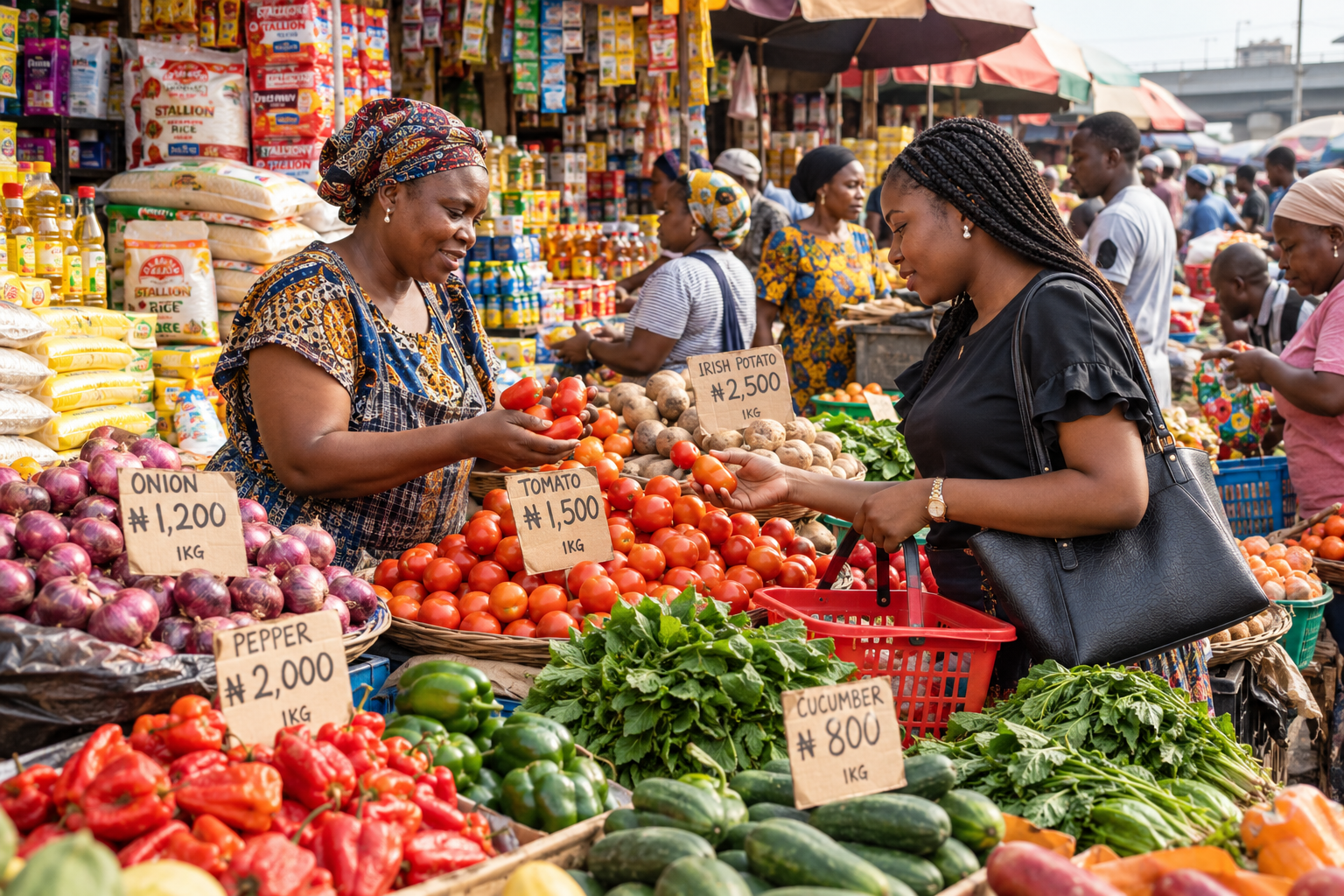
Have you noticed that the prices of certain products increase during festive periods, holidays, or particular times of the year? From food and clothing to travel tickets and electronics, many products become more expensive when demand rises or supplies become limited.
This is known as seasonal pricing, and it is influenced by several economic factors that affect businesses and consumers.
1. Increased Demand During Certain Seasons
One of the biggest reasons prices rise is increased demand.
During Christmas, Easter, and other festive periods, people often spend more on food, clothing, gifts, and travel. When many customers want the same products at once, sellers may increase prices.
For example, demand for festive food items and new clothes may rise in Nigeria as families prepare for celebrations.
2. Limited Supply of Products
Prices can also increase when fewer products are available.
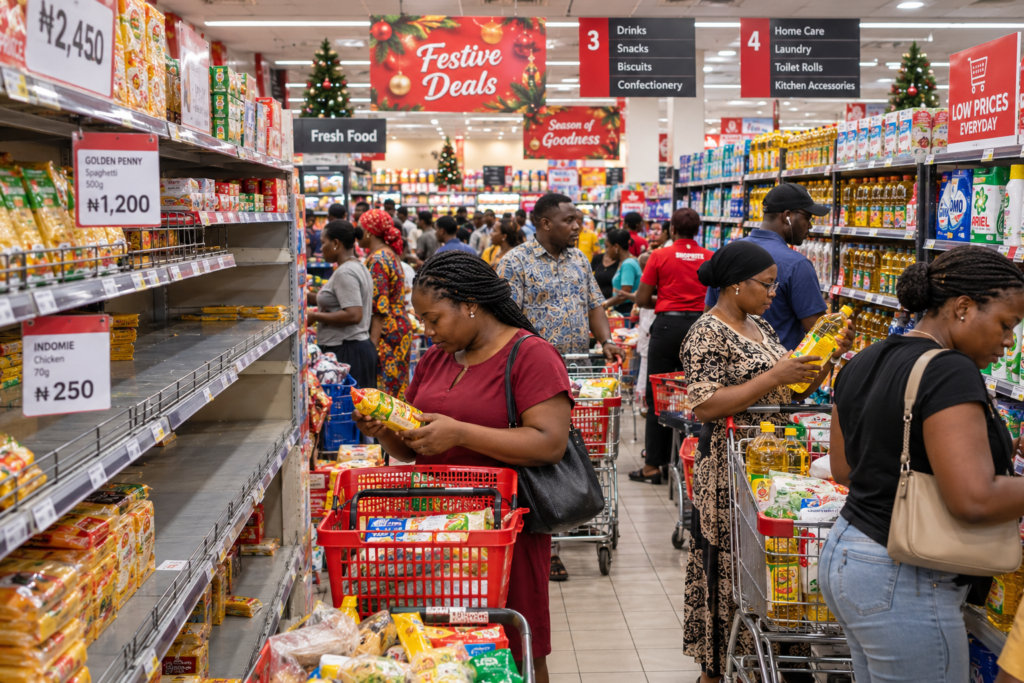
Some agricultural products depend on specific growing and harvesting seasons. When supply falls outside the main harvest period, prices may rise because the products become harder or more expensive to obtain.
Weather conditions, transportation difficulties, and disruptions in production can make shortages worse.
3. Higher Transportation and Production Costs
Certain seasons bring additional costs for businesses.
During busy travel periods, for example, demand for transportation increases. For food and other goods, fuel prices, storage expenses, and delivery costs can influence the final selling price.
Businesses may pass some of these additional costs on to customers.
4. Festive Periods Encourage More Spending
Businesses understand that customers often spend more during holidays and celebrations.
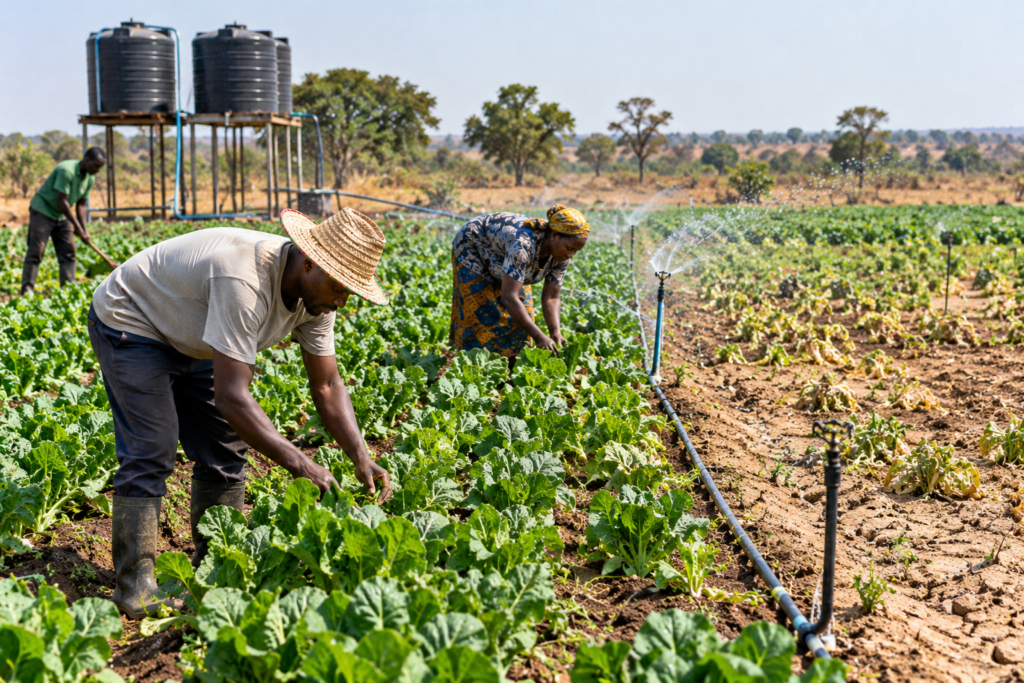
Retailers may adjust prices based on demand for popular items such as decorations, gifts, electronics, and clothing.
However, not every business increases prices during festive periods. Some offer discounts and promotions to attract customers and compete with other sellers.
5. Weather Can Affect Product Prices
Weather conditions influence the availability and demand for many products.
For example:
- Rainy seasons can affect agricultural production and transportation.
- Hot weather can increase demand for fans, air conditioners, and cold drinks.
- Colder months can increase demand for heating equipment and winter clothing in colder countries.
When demand rises or production becomes more difficult, prices may change.
6. Businesses Use Seasonal Pricing Strategies
Some businesses deliberately adjust prices according to the time of year.
Airlines and hotels, for example, may charge more during popular holiday periods because more people want to travel.
Retailers may also use discounts during slower periods to encourage purchases and clear old stock.
These strategies help businesses manage demand, inventory, and revenue throughout the year.
7. How Consumers Can Save Money
Understanding seasonal price changes can help consumers make better purchasing decisions.
Here are a few practical tips:
- Buy non-perishable essentials before peak demand when it makes financial sense.
- Compare prices across different sellers.
- Look for promotions during less busy periods.
- Plan travel well in advance where appropriate.
- Avoid panic buying when temporary shortages occur.
- Check product quality and expiry dates before purchasing discounted goods.
Planning ahead can reduce unnecessary spending, although prices do not always follow predictable seasonal patterns.
Conclusion
Products become more expensive during certain seasons because of changing demand, limited supply, weather conditions, higher operating costs, and business pricing strategies.
Recognizing these patterns helps consumers plan their spending and enables businesses to manage inventory more effectively.
Ultimately, seasonal price changes reflect the relationship between how much people want to buy, how much is available, and what it costs to supply the market.