
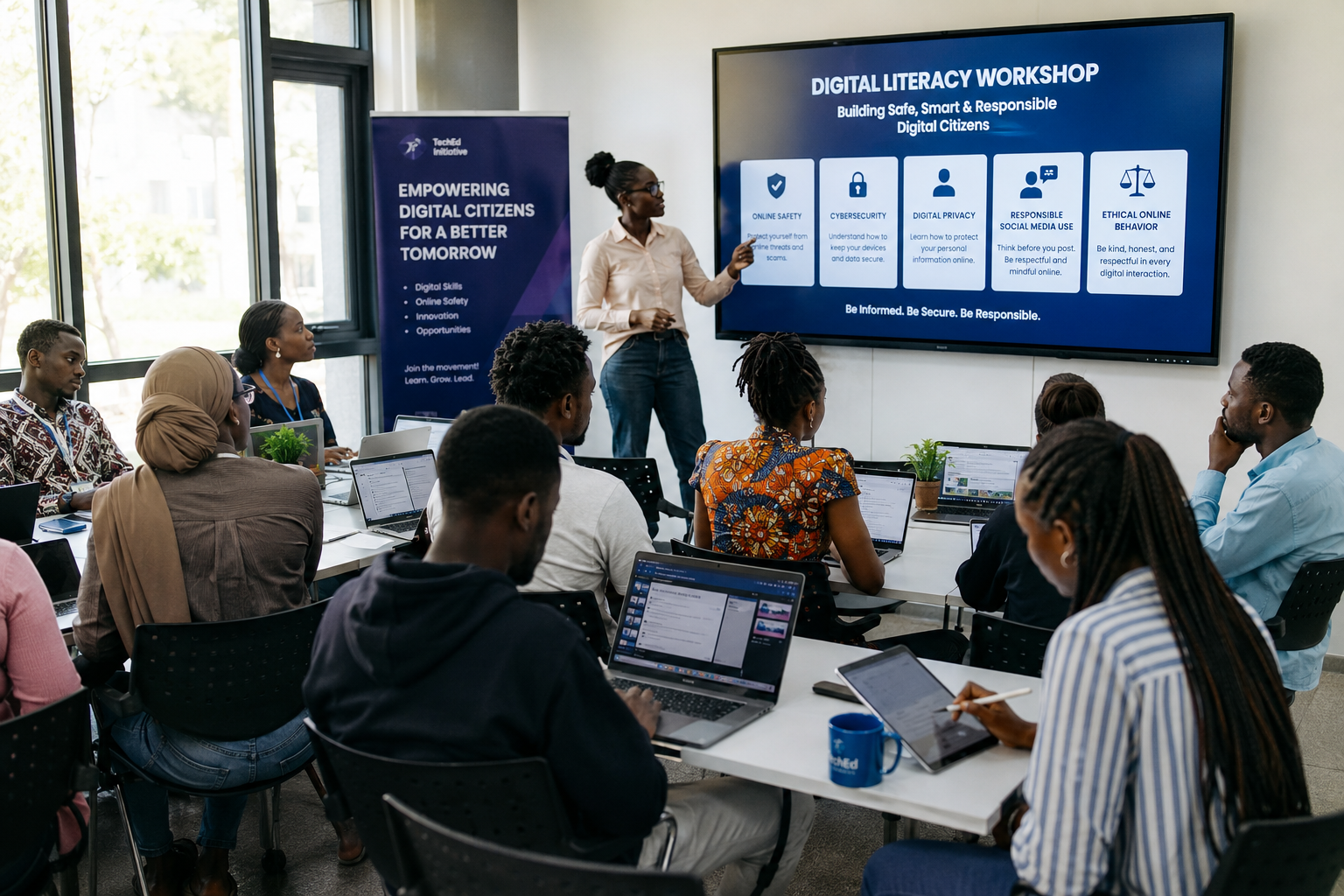
Introduction
The internet has become an essential part of everyday life, influencing how people communicate, learn, work, shop, and participate in society. As digital technologies continue to evolve, individuals are spending more time online than ever before. This increased connectivity has created new opportunities for education, collaboration, and innovation, but it has also introduced challenges related to privacy, security, misinformation, and online behavior.
Digital citizenship refers to the responsible, ethical, and informed use of digital technologies and online platforms. It involves understanding both the rights and responsibilities that come with participating in the digital world.
As society becomes increasingly connected, developing strong digital citizenship skills is essential for individuals, businesses, educational institutions, and communities.
1. Understanding Digital Citizenship
Digital citizenship is the ability to use technology responsibly, safely, and respectfully.
It includes practices such as:
- Using digital tools ethically
- Respecting others online
- Protecting personal information
- Evaluating online information critically
- Following digital laws and guidelines
Being a good digital citizen means contributing positively to online communities while minimizing risks for yourself and others.
Responsible technology use benefits everyone.
2. Digital Literacy Is the Foundation
Digital citizenship begins with digital literacy.
Digital literacy involves the ability to:
- Find information online
- Evaluate the credibility of sources
- Use digital tools effectively
- Understand online communication
- Adapt to new technologies
Strong digital literacy helps individuals make informed decisions and navigate the online world with confidence.
Knowledge supports responsible digital participation.

3. Protecting Privacy and Personal Data
One of the most important aspects of digital citizenship is safeguarding personal information.
Good practices include:
- Using strong passwords
- Enabling multi-factor authentication
- Limiting the sharing of sensitive information
- Reviewing privacy settings regularly
- Being cautious with suspicious links and emails
Protecting personal data reduces the risk of identity theft, fraud, and unauthorized access.
Privacy is a shared responsibility in the digital age.
4. Respectful Online Communication
Digital interactions should reflect the same respect expected in face-to-face communication.
Responsible online behavior includes:
- Communicating politely
- Respecting differing opinions
- Avoiding harassment or bullying
- Giving constructive feedback
- Considering the impact of words before posting
Positive communication helps create healthier online communities.
Respect strengthens trust and collaboration.
5. Recognizing Misinformation
The rapid spread of online content makes it essential to evaluate information carefully.
Responsible digital citizens should:
- Verify information before sharing it
- Compare multiple reliable sources
- Check publication dates
- Identify biased or misleading content
- Distinguish facts from opinions
Critical thinking helps reduce the spread of misinformation.
Sharing accurate information benefits society as a whole.
6. Understanding Digital Rights and Responsibilities
Technology provides many opportunities, but it also comes with responsibilities.
Digital citizens should understand:
- Freedom of expression
- Respect for intellectual property
- Copyright laws
- Responsible content sharing
- Appropriate online conduct
Using digital platforms responsibly helps maintain a safe and fair online environment.
Rights and responsibilities work together.
7. Building a Positive Digital Footprint
Everything shared online contributes to an individual’s digital footprint.
Positive digital habits include:
- Sharing professional content
- Demonstrating respectful behavior
- Protecting personal reputation
- Supporting meaningful discussions
- Creating valuable contributions
A positive digital footprint can benefit educational, career, and networking opportunities.
Online actions often have long-term consequences.

8. Cybersecurity Awareness
Digital citizenship includes understanding basic cybersecurity practices.
Important habits include:
- Updating software regularly
- Recognizing phishing attempts
- Using secure internet connections
- Backing up important files
- Installing trusted security software
Cybersecurity awareness helps protect both individuals and organizations.
Prevention is often more effective than responding to security incidents.
9. Digital Citizenship in the Workplace
As organizations increasingly rely on digital tools, employees must demonstrate responsible technology use.
Professional digital citizenship includes:
- Protecting company information
- Following security policies
- Using workplace technology responsibly
- Respecting confidential data
- Communicating professionally online
Responsible digital behavior contributes to organizational trust and productivity.
Professionalism extends to digital environments.
10. Teaching Digital Citizenship
Families, schools, and businesses all play a role in promoting responsible digital behavior.
Effective education includes:
- Teaching online safety
- Encouraging critical thinking
- Discussing ethical technology use
- Practicing respectful communication
- Promoting responsible social media habits
Digital citizenship should be viewed as a lifelong learning process.
Education prepares individuals for an increasingly digital society.
11. The Future of Digital Citizenship
Emerging technologies such as artificial intelligence, virtual reality, and connected devices will continue to reshape digital interactions.
Future digital citizens will need to:
- Adapt to new technologies
- Understand evolving privacy challenges
- Evaluate AI-generated content critically
- Practice ethical technology use
- Continue developing digital skills
As technology advances, responsible digital participation will become even more important.
Adaptability and ethical decision-making will remain essential.
Conclusion
Digital citizenship is becoming increasingly important as technology becomes more deeply integrated into everyday life. Responsible use of digital tools, respectful online communication, strong cybersecurity practices, and critical evaluation of information all contribute to a safer and more trustworthy digital environment.
By developing digital literacy, protecting personal information, and acting responsibly online, individuals can participate more confidently and positively in the digital world. Businesses, educators, and communities also have an important role in promoting ethical and informed technology use.
In an increasingly connected society, digital citizenship is no longer optional—it is an essential life skill that supports personal success, professional growth, and the well-being of the broader online community.
References
- UNESCO — Digital Citizenship and Digital Literacy Resources
UNESCO - International Society for Technology in Education (ISTE) — Digital Citizenship Framework
ISTE - Common Sense Education — Digital Citizenship Curriculum and Resources
Common Sense Education - Cybersecurity and Infrastructure Security Agency (CISA) — Cybersecurity Best Practices
CISA - World Economic Forum — Building Trust and Responsibility in the Digital Economy
World Economic Forum