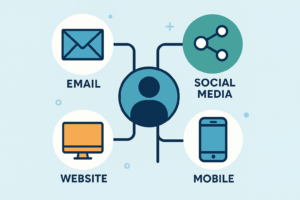
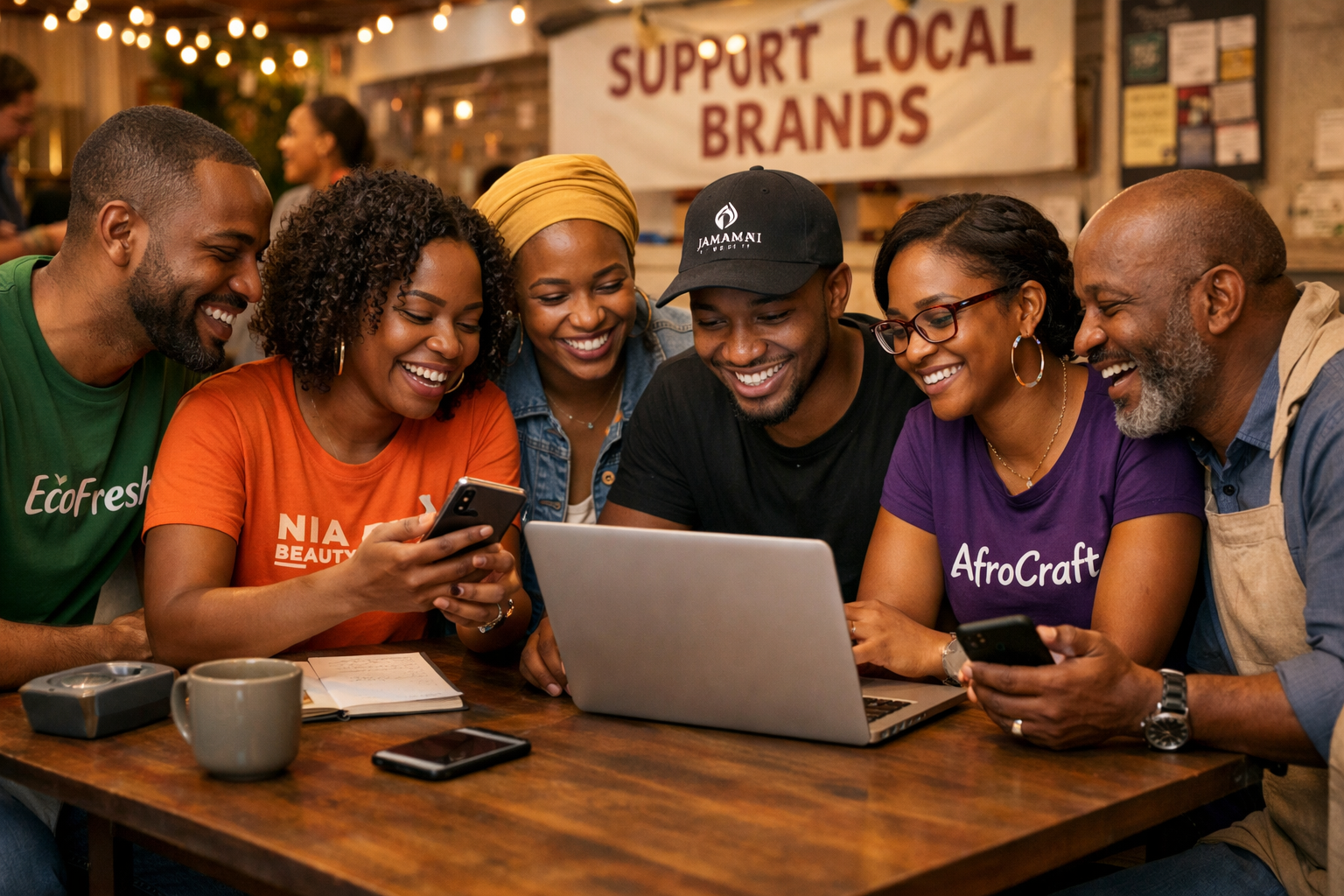
In 2026, brands are no longer competing only on price or product quality—they’re competing on connection. Audiences want to belong, not just buy. They want to interact with brands that listen, share values, and create spaces where people feel seen and heard.
Building a brand community isn’t about followers or vanity metrics. It’s about creating meaningful relationships that turn customers into advocates.
1. Why Community Matters More Than Ever
Consumers are overwhelmed with choices and advertising.
Brand communities:
- Build trust faster than traditional marketing
- Encourage loyalty beyond discounts
- Turn customers into long-term supporters
- Create organic word-of-mouth growth
In a world of automation and AI, human connection is the differentiator.
2. Redefining Community in 2026
Modern brand communities are not just Facebook groups.
They exist across:
- Social platforms
- Messaging apps
- Online forums and memberships
- Events (virtual and physical)
- Comment sections, newsletters, and creator spaces
Community is about shared values and interaction, not just location.
3. Start With a Clear Purpose
Strong communities are built around a “why.”
Ask:
- What does our brand stand for?
- What problem or belief brings people together?
- How do members benefit from being part of this space?
A clear purpose attracts the right people—and repels the wrong ones.
4. Shift From Broadcasting to Listening
Communities don’t grow through one-way communication.
In 2026, brands must:
- Ask questions and invite feedback
- Respond consistently and authentically
- Highlight member voices
- Adapt based on community input
Listening builds trust. Participation builds loyalty.
5. Create Value Beyond Your Product
People don’t join communities just to be sold to.
Offer value through:
- Education and insights
- Behind-the-scenes access
- Networking and peer support
- Early access or exclusive content
When value comes first, sales follow naturally.
6. Empower Your Community Members
The strongest communities aren’t brand-led—they’re member-driven.
Ways to empower members:
- Feature user-generated content
- Spotlight success stories
- Invite members to co-create ideas
- Recognize and reward contributions
People stay where they feel valued.
7. Choose Platforms Strategically
Not every platform fits every brand.
In 2026, community platforms may include:
- WhatsApp or Telegram groups
- Discord or Slack communities
- LinkedIn groups
- Private forums or apps
- Email-first communities
Choose platforms your audience already uses and enjoys.
8. Balance Automation With Authenticity
Technology helps communities scale—but shouldn’t replace humanity.
Best practices:
- Use automation for moderation and onboarding
- Keep conversations human-led
- Avoid over-scripting interactions
- Be transparent about AI usage
Automation should support connection, not dilute it.
9. Measure Community Health, Not Just Size
Big communities aren’t always strong ones.
Track metrics like:
- Engagement and participation
- Retention and repeat interaction
- Member sentiment
- Organic advocacy
Healthy communities grow steadily and sustainably.
10. Play the Long Gam
Community building takes time.
It requires:
- Consistency
- Patience
- Genuine care
- Willingness to evolve
Brands that commit long-term gain something competitors can’t easily copy—trust.
Conclusion
Building a community around your brand in 2026 means putting people before promotion. By creating spaces rooted in shared values, open dialogue, and real value, brands move from transactional relationships to meaningful connections. In the future of marketing, community isn’t an add-on—it’s the foundation.
References (External Links)
- Harvard Business Review – The Value of Brand Communities
https://hbr.org - McKinsey – The Power of Customer Engagement and Loyalty
https://www.mckinsey.com - Forbes – Why Community-Led Growth Is the Future
https://www.forbes.com - HubSpot – How to Build an Online Brand Community
https://blog.hubspot.com - Gartner – Customer Experience and Community Strategy
https://www.gartner.com