

Introduction
The internet has made information more accessible than ever before. However, the overwhelming amount of content available online has also created a new challenge: information overload.
To manage this, digital platforms increasingly rely on curated content. Curated content refers to information selected, organized, and presented based on relevance, preferences, trends, or algorithms.
From social media feeds and streaming recommendations to search engine results and news platforms, curated content now plays a major role in shaping what people see, learn, discuss, and believe.
As digital consumption continues to grow, content curation is becoming one of the most powerful influences on modern knowledge and awareness.
1. What Curated Content Means
Curated content involves selecting and organizing information for a specific audience.
This process may be done by:
- Algorithms
- Editors
- Influencers
- Media organizations
- Digital platforms
The goal is usually to present content that is considered relevant, engaging, or valuable to users.
Instead of users searching through large amounts of information manually, curated systems filter and prioritize content for them.
2. Social Media Feeds Shape Information Exposure
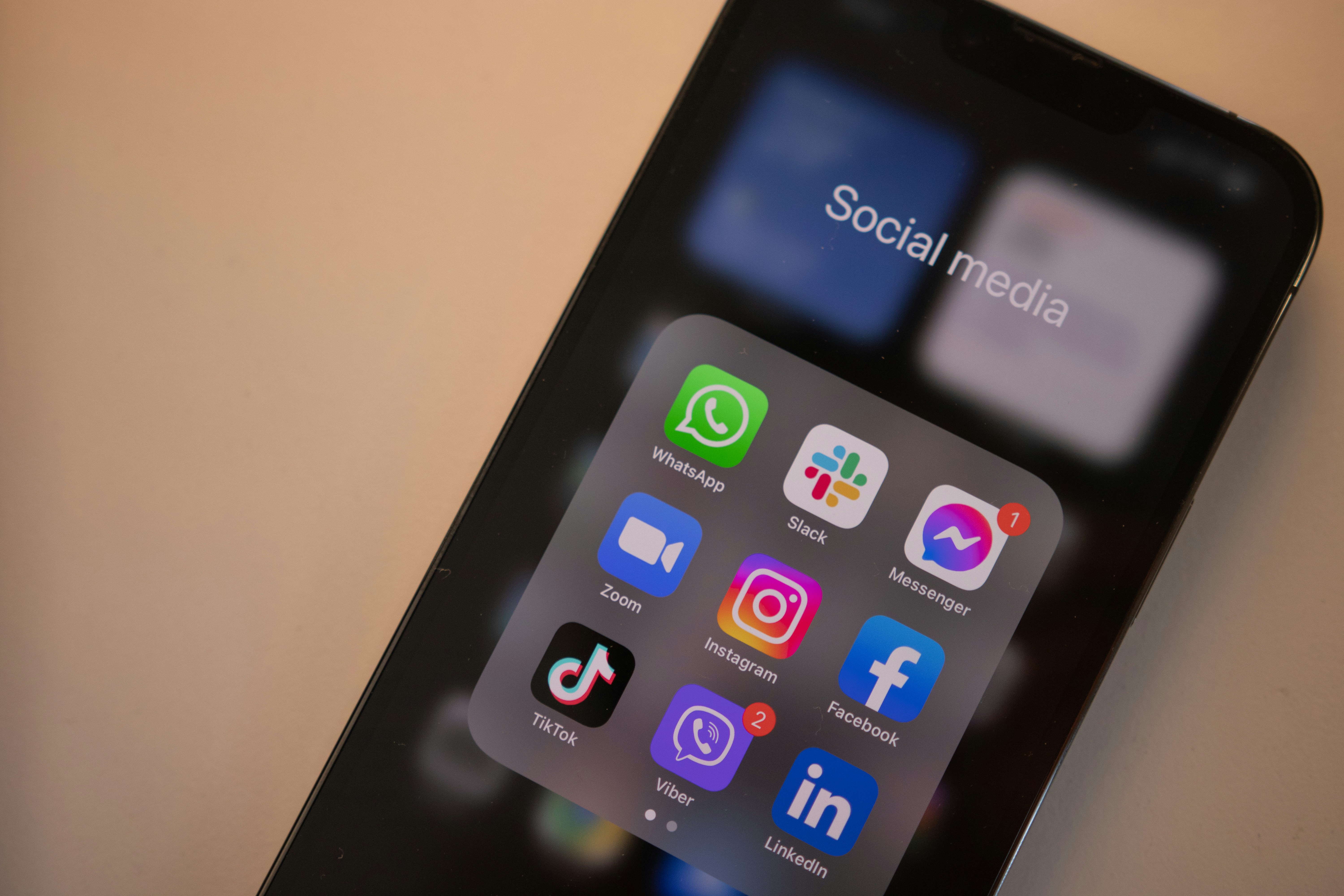
Most people no longer consume information chronologically online.
Social media platforms curate feeds using algorithms that prioritize:
- Engagement
- User interests
- Watch history
- Interaction patterns
- Trending discussions
This affects what users see regularly and what topics gain attention.
Curated feeds influence public conversations, opinions, and awareness on a daily basis.
3. Personalized Recommendations Influence Learning
Streaming platforms, search engines, and online marketplaces use recommendation systems to personalize user experiences.
These systems recommend:
- Videos
- Articles
- Products
- Courses
- Podcasts
- News stories
Personalized recommendations make content discovery easier, but they also shape the information users repeatedly consume.
Over time, recommendations can strongly influence interests, habits, and perspectives.
4. Curated News Impacts Public Understanding
News organizations and digital platforms decide which stories receive the most visibility.
This influences:
- Which issues people prioritize
- What events receive attention
- How topics are framed
- Which narratives become dominant
Curated news cycles often shape public understanding of politics, culture, business, and global events.
Visibility frequently determines perceived importance.
5. Algorithms Influence Attention
Algorithms are now major gatekeepers of digital information.
They determine:
- Which posts trend
- Which videos go viral
- Which articles appear first
- Which creators gain visibility
Content that generates strong emotional reactions often receives more visibility because it drives engagement.
As a result, algorithms can significantly influence collective attention online.
6. Curated Content Creates Convenience
One reason curated content is so popular is convenience.
Users save time because platforms help filter large amounts of information.
Curated systems help people:
- Discover relevant topics
- Find entertainment quickly
- Access tailored recommendations
- Reduce information overload
Convenience improves user experience and increases platform engagement.
7. Filter Bubbles and Echo Chambers
While curated content improves convenience, it can also limit exposure to diverse perspectives.
Algorithms often prioritize content similar to what users already engage with.
This can create:
- Filter bubbles
- Echo chambers
- Repetitive viewpoints
- Reduced exposure to opposing opinions
Over time, highly personalized content environments may narrow how people understand complex issues.
Balanced information exposure becomes more challenging.
8. Influencers and Content Creators Shape Knowledge
Influencers and digital creators increasingly act as information curators.
Many audiences now rely on creators for:
- News summaries
- Product recommendations
- Educational content
- Industry insights
- Cultural commentary
Creators often simplify complex topics and make information more accessible.
However, creator influence also increases the importance of credibility and fact-checking.

9. The Business Side of Content Curation
Content curation is closely connected to digital business models.
Platforms use curated systems to:
- Increase user retention
- Improve advertising performance
- Maximize engagement
- Personalize user experiences
The longer users stay engaged, the more valuable platforms become commercially.
This creates strong incentives for platforms to optimize attention and interaction.
10. Critical Thinking Matters More Than Ever
As curated content becomes more influential, critical thinking becomes increasingly important.
Users should consider:
- Source credibility
- Information accuracy
- Potential bias
- Context
- Multiple perspectives
Digital literacy helps people navigate curated environments more effectively.
Understanding how content is selected can improve information awareness.
11. The Future of Curated Information
Artificial intelligence continues to improve content personalization and recommendation systems.
Future curated experiences may become even more:
- Personalized
- Predictive
- Automated
- Interactive
As technology evolves, curated content will likely continue shaping education, entertainment, communication, and public understanding.
The challenge will be balancing convenience with diversity, accuracy, and transparency.
Conclusion
Curated content has transformed how people discover and consume information online. Algorithms, platforms, creators, and media organizations now play major roles in shaping what audiences see and understand.
While curation improves convenience and personalization, it also influences attention, perception, and knowledge in powerful ways.
In the modern digital environment, understanding how curated content works is becoming an essential part of navigating information responsibly.
References
- Pew Research Center — Social Media and News Consumption
Pew Research Center - Harvard Business Review — How Algorithms Shape Consumer Behavior
Harvard Business Review - MIT Technology Review — The Impact of Recommendation Algorithms
MIT Technology Review - Think with Google — Understanding Digital Consumer Behavior
Think with Google - World Economic Forum — The Future of Digital Information
World Economic Forum