

Introduction
The widespread adoption of smartphones has fundamentally changed how people access information, communicate, shop, and interact with brands. Today, mobile devices account for a significant share of global internet traffic, making them the primary way many consumers engage with digital content.
As consumer behavior has shifted toward mobile usage, businesses have had to rethink their marketing strategies. Mobile-first marketing is an approach that prioritizes creating digital experiences specifically for mobile users before adapting them for larger screens.
Organizations that embrace mobile-first marketing are better positioned to reach customers where they spend most of their time, improve user experiences, and achieve stronger marketing results.
1. What Is Mobile-First Marketing?
Mobile-first marketing is a strategy that designs and optimizes marketing campaigns primarily for smartphones and other mobile devices.
This approach considers:
- Mobile-friendly websites
- Responsive design
- Fast-loading pages
- Mobile advertising
- App experiences
- Short-form content
Rather than treating mobile as an afterthought, businesses make it the foundation of their digital marketing efforts.
Customer behavior drives this approach.
2. Mobile Usage Continues to Grow
Smartphones have become essential tools for everyday activities.
People use mobile devices to:
- Browse websites
- Shop online
- Watch videos
- Read news
- Use social media
- Search for local businesses
- Communicate with brands
As mobile usage continues to increase, businesses that prioritize mobile experiences can better meet customer expectations.
Mobile devices have become central to digital engagement.

3. Better User Experience
A positive mobile experience encourages visitors to stay engaged.
Important mobile user experience features include:
- Easy navigation
- Readable text
- Touch-friendly buttons
- Fast loading times
- Clear layouts
- Simple forms
When users can quickly find information and complete tasks, they are more likely to return.
Good experiences build customer satisfaction.
4. Mobile-First Supports SEO
Search engines increasingly evaluate websites based on their mobile performance.
A mobile-optimized website offers:
- Responsive design
- Fast page speed
- Accessible content
- Improved usability
- Better overall performance
Improving mobile usability can contribute to stronger search visibility and higher user satisfaction.
User-focused optimization benefits both visitors and search performance.
5. Social Media Is Primarily Mobile
Most social media activity now takes place on mobile devices.
Platforms encourage mobile-friendly content such as:
- Short videos
- Vertical images
- Stories
- Reels
- Live streams
Brands that design content specifically for mobile audiences often achieve stronger engagement.
Mobile-friendly content matches modern viewing habits.
6. Mobile Commerce Continues to Expand
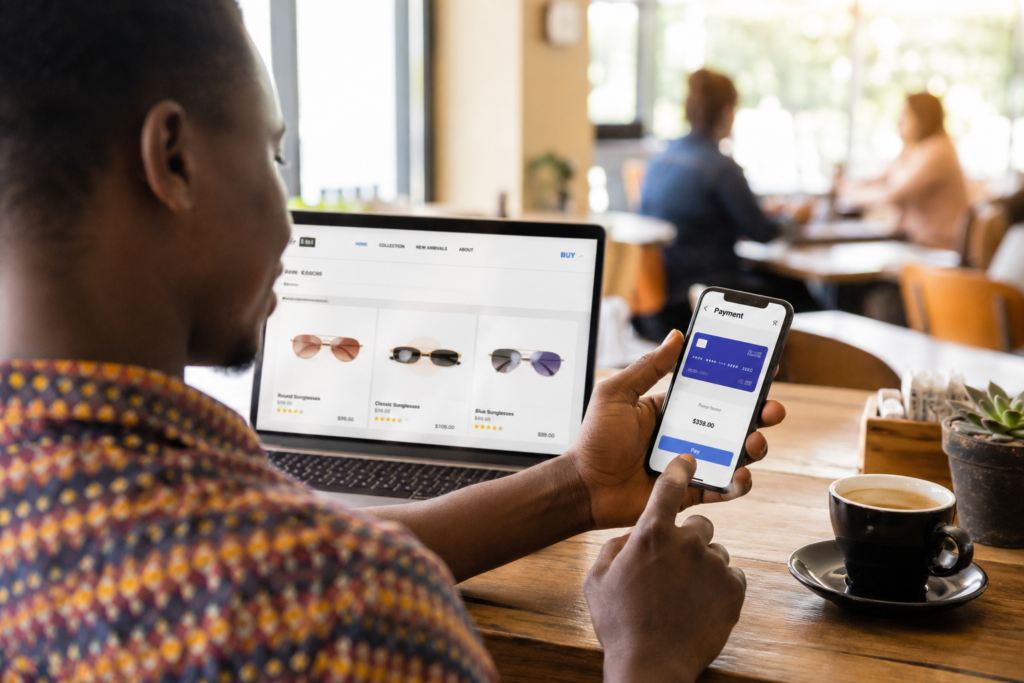
Consumers increasingly make purchases directly from their smartphones.
Mobile commerce allows customers to:
- Browse products
- Compare prices
- Read reviews
- Complete secure payments
- Track deliveries
Businesses with seamless mobile shopping experiences are better positioned to convert visitors into customers.
Convenience drives purchasing decisions.
7. Location-Based Marketing Opportunities
Mobile devices enable businesses to deliver more relevant experiences based on location.
Examples include:
- Local search results
- Store promotions
- Event notifications
- Location-specific advertisements
- Navigation assistance
Location-aware marketing helps businesses reach customers at appropriate moments.
Relevant messaging improves engagement.
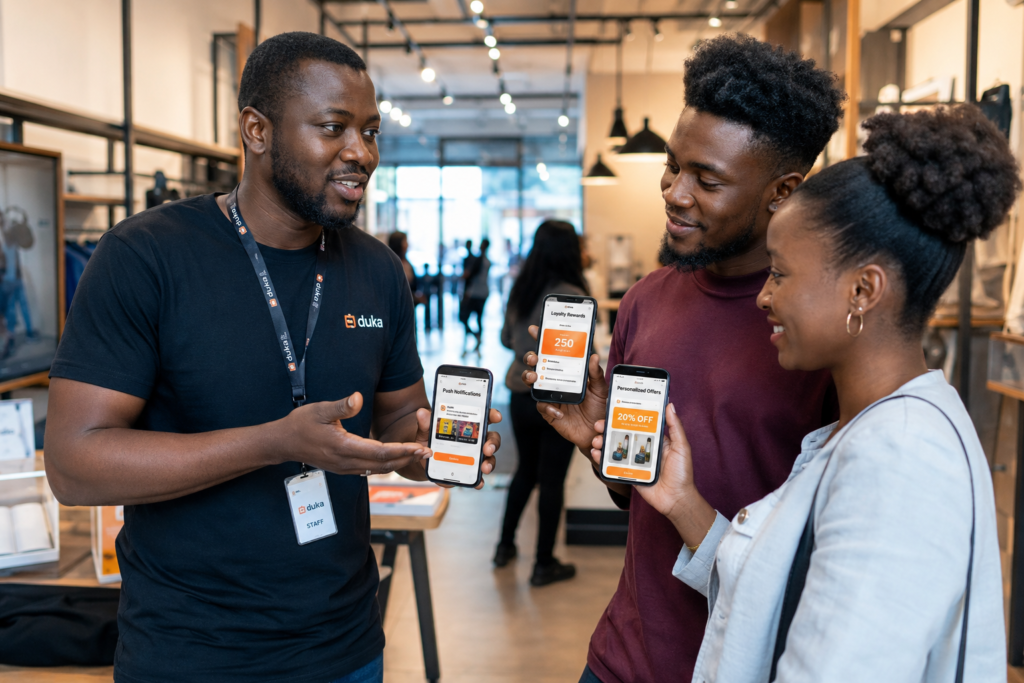
8. Faster Decision-Making
Mobile users often seek immediate answers.
They commonly use smartphones to:
- Compare products
- Find nearby services
- Read customer reviews
- Contact businesses
- Make quick purchasing decisions
Businesses that provide fast, mobile-friendly experiences are more likely to meet these immediate needs.
Speed supports customer satisfaction.
9. Mobile Analytics Improve Marketing Decisions
Mobile analytics provide valuable insights into customer behavior.
Businesses can monitor:
- Mobile traffic
- Session duration
- Conversion rates
- User engagement
- Device usage
- Customer journeys
Analyzing this data helps marketers improve future campaigns and optimize customer experiences.
Data supports continuous improvement.
10. Challenges of Mobile-First Marketing
Despite its advantages, mobile-first marketing requires careful planning.
Common challenges include:
- Designing for different screen sizes
- Optimizing page speed
- Ensuring accessibility
- Maintaining consistent branding
- Protecting user privacy
Addressing these challenges helps businesses deliver reliable mobile experiences.
Continuous testing is essential.
11. Best Practices for Mobile-First Marketing
Organizations can strengthen their mobile marketing strategy by:
- Using responsive website design
- Optimizing images and page speed
- Creating mobile-friendly content
- Simplifying navigation
- Testing across multiple devices
- Monitoring mobile performance regularly
Small improvements can significantly enhance the user experience.
Mobile optimization should be an ongoing process.
Conclusion
Mobile-first marketing has become an essential strategy in a world where smartphones are central to everyday life. By prioritizing mobile experiences, businesses can improve customer satisfaction, strengthen search visibility, increase engagement, and support higher conversion rates.
As mobile technology continues to evolve, organizations that focus on responsive design, fast performance, and user-friendly experiences will be better prepared to meet changing consumer expectations.
Ultimately, mobile-first marketing is not simply about optimizing for smaller screens—it is about designing digital experiences that reflect how people interact with technology today.
References
- Google Search Central — Mobile-Friendly Websites and SEO Best Practices
Google Search Central - Think with Google — Mobile Consumer Behavior and Marketing Insights
Think with Google - Statista — Mobile Internet and Smartphone Usage Statistics
Statista - HubSpot — Mobile Marketing Strategy and Best Practices
HubSpot - Salesforce — Mobile Marketing and Customer Experience Resources
Salesforce