

A new year often feels like a clean slate — a chance to reset goals, habits, and perspectives. But lasting change doesn’t come from resolutions alone. It begins with a shift in mindset. How you think shapes how you act, respond to challenges, and grow over time.
This year, thinking differently may be the most powerful decision you make.
1. Understand the Power of Your Mindset
Your mindset influences how you interpret situations and setbacks.
There are two common approaches:
- Fixed mindset: Believing abilities and circumstances are unchangeable
- Growth mindset: Believing skills, habits, and outcomes can improve with effort
Adopting a growth mindset helps you see challenges as opportunities rather than limitations.

2. Let Go of “All-or-Nothing” Thinking
Many people abandon goals because they expect perfection.
To think differently:
- Replace perfection with progress
- Accept small wins as meaningful
- Understand that consistency matters more than intensity
A flexible mindset keeps you moving forward, even when things don’t go as planned.
3. Focus on Systems, Not Just Goals
Goals define direction, but systems create results.
Instead of only saying:
- “I want to be healthier”
Shift to:
- “I’ll build daily habits that support my health”
Daily routines and small behaviors compound into long-term change.
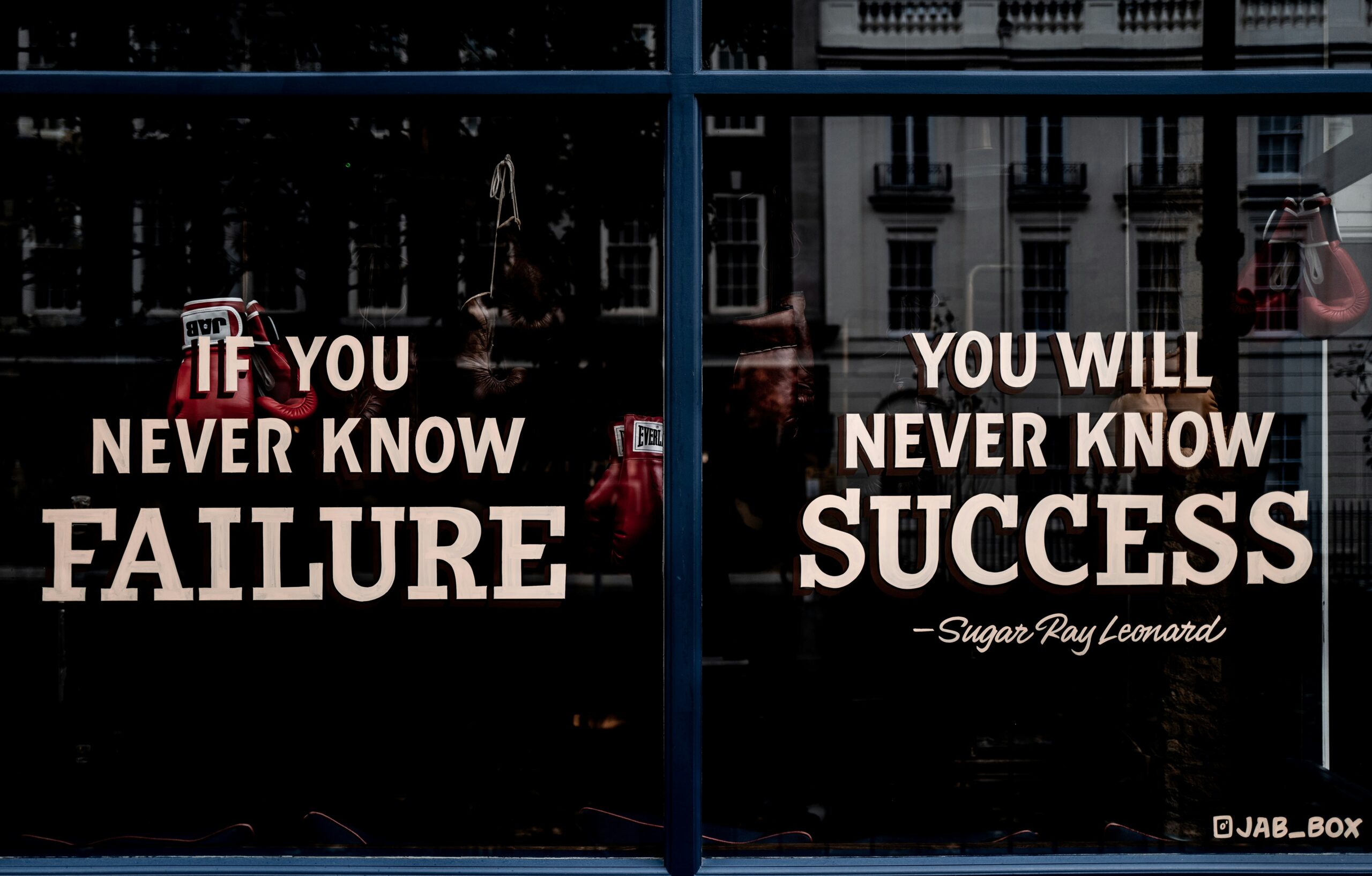
4. Reframe Failure as Feedback
Failure isn’t a signal to stop — it’s information.
A healthier perspective includes:
- Asking what went wrong instead of why you failed
- Viewing mistakes as lessons, not labels
- Separating outcomes from self-worth
This mindset encourages resilience and continuous improvement.
5. Be Intentional With Your Attention
What you consume shapes how you think.
To protect your mindset:
- Limit negative or overwhelming content
- Be mindful of social media comparison
- Choose information that educates and inspires
Mental clarity improves decision-making and emotional balance.
6. Practice Self-Awareness and Reflection
Growth starts with understanding yourself.
Helpful habits include:
- Journaling thoughts and experiences
- Reflecting on what energizes or drains you
- Checking in with your emotions regularly
Self-awareness allows you to respond thoughtfully rather than react impulsively.
7. Replace Comparison With Curiosity
Comparison often leads to discouragement.
A better approach:
- Be curious about others’ journeys without measuring your worth against them
- Focus on your own progress and values
- Learn from others instead of competing with them
Your path doesn’t need to look like anyone else’s.
8. Choose Long-Term Thinking
Short-term comfort often conflicts with long-term growth.
Thinking differently means:
- Prioritizing habits over instant results
- Making decisions aligned with future goals
- Accepting discomfort as part of progress
Long-term thinking builds discipline, confidence, and fulfillment.

Conclusion
A new year doesn’t require a new version of you — just a new way of thinking. By shifting your mindset toward growth, self-awareness, and intentional action, you set the foundation for meaningful change. When you think differently, you act differently — and that’s where transformation begins.
References (External Links)
- Psychology Today – Growth Mindset and Behavior Change
https://www.psychologytoday.com - Harvard Business Review – How Mindset Shapes Success
https://hbr.org - Greater Good Science Center – The Science of Personal Growth
https://greatergood.berkeley.edu - American Psychological Association – Building Resilience
https://www.apa.org - James Clear – Systems vs Goals Thinking
https://jamesclear.com