
Introduction
For years, public social media platforms like Facebook, Instagram, and Twitter (X) dominated online interaction. They were the go-to spaces for networking, brand building, and content distribution.
But a major shift is happening.
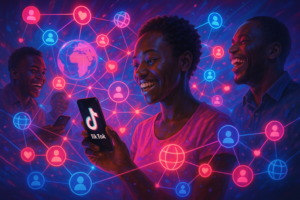
More people are moving away from noisy, algorithm-driven public feeds and toward private online communities — spaces that offer deeper connection, shared interests, and more meaningful engagement.
From Slack groups and Discord servers to private Facebook groups, WhatsApp communities, and membership platforms, digital interaction is becoming more intimate and focused.
So why are private communities replacing public social media?
Let’s explore.
1. Algorithm Fatigue and Declining Organic Reach
Public social media platforms are heavily algorithm-driven. Organic reach for businesses and creators has declined significantly over the years.
Content visibility often depends on:
- Paid advertising
- Engagement signals
- Algorithm changes beyond user control
This has made it harder for brands and creators to maintain consistent reach without increasing ad budgets.
Private communities, on the other hand, offer direct access to members without relying on unpredictable algorithms.
Source: Hootsuite – Digital 2024 Global Overview Report
https://www.hootsuite.com/resources/digital-trends

2. Desire for Meaningful Connection
Public feeds are crowded, performative, and often transactional. Many users feel overwhelmed by constant content, ads, and superficial engagement.
Private communities provide:
- Smaller, focused groups
- Shared goals or interests
- More authentic conversations
- Stronger relationship-building
According to Pew Research Center, many social media users express concerns about online toxicity and misinformation, driving interest in more controlled environments.
Source: Pew Research Center – Social Media and Online Communities
https://www.pewresearch.org/internet/topic/social-media/
Private spaces allow moderators to maintain quality discussions and reduce negativity.
3. Trust and Privacy Concerns
Data privacy concerns have reshaped how people use the internet. High-profile data breaches and tracking practices have increased awareness around digital privacy.
Private communities feel safer because:
- Access is restricted
- Conversations are more controlled
- Members share common interests
While no platform is entirely risk-free, smaller communities often foster stronger trust between members.
Source: Deloitte – Digital Consumer Trends
https://www2.deloitte.com/us/en/insights/industry/technology/digital-media-trends-consumption-habits-survey.html
4. Monetization and Ownership for Creators
Creators are increasingly building private communities through platforms like:
- Patreon
- Circle
- Kajabi
- Discord
- Substack
These platforms allow creators to:
- Monetize memberships
- Control audience data
- Reduce reliance on ad revenue
- Build recurring income streams
Instead of chasing viral content, creators focus on delivering value to a dedicated group.
This shift reflects the growing “creator economy,” where audience ownership matters more than follower count.
Source: Influencer Marketing Hub – Creator Economy Statistics
https://influencermarketinghub.com/creator-economy-stats/

5. Higher Engagement and Retention
Engagement rates in private communities are often significantly higher than in public feeds.
Why?
Because members:
- Join intentionally
- Share common interests
- Feel more accountable
- Participate in structured discussions
For businesses, this means stronger customer loyalty and better retention.
Community-driven brands often experience:
- Increased repeat purchases
- Stronger brand advocacy
- More valuable customer feedback
Community becomes a competitive advantage.
6. From Broadcasting to Belonging
Public social media is largely about broadcasting — posting content to as many people as possible.
Private communities focus on belonging.
This shift reflects a broader change in digital behavior:
Old Model:
Audience → Content → Likes
New Model:
Community → Conversation → Connection
Belonging drives deeper emotional investment, which strengthens long-term relationships between brands and audiences.
7. What This Means for Businesses
Businesses should consider:
Building Owned Communities
Instead of relying solely on social media algorithms, create private spaces for customers.
Focusing on Value Over Virality
Community members value helpful discussions more than viral trends.
Encouraging Two-Way Interaction
Communities thrive on conversation, not just announcements.
Investing in Moderation and Structure
Clear guidelines and active moderation maintain quality engagement.
Conclusion
Private online communities are not eliminating public social media — but they are redefining digital engagement.
As users grow tired of algorithm-driven feeds, privacy concerns, and superficial interactions, they are seeking smaller, more meaningful digital spaces.
For brands and creators, the future is not just about gaining followers — it’s about building communities.
Because in the evolving digital landscape, connection matters more than reach.
References
- Hootsuite – Digital 2024 Global Overview Report
https://www.hootsuite.com/resources/digital-trends - Pew Research Center – Social Media and Online Communities
https://www.pewresearch.org/internet/topic/social-media/ - Deloitte – Digital Media Trends Survey
https://www2.deloitte.com/us/en/insights/industry/technology/digital-media-trends-consumption-habits-survey.html - Influencer Marketing Hub – Creator Economy Statistics
https://influencermarketinghub.com/creator-economy-stats/