

Introduction
The way people pay for products and services has changed significantly over the past decade. Instead of making one-time purchases, consumers are increasingly choosing subscription-based services that provide ongoing access for a recurring fee.
What began with magazine subscriptions and cable television has evolved into a widespread business model used across industries, including entertainment, software, healthcare, education, transportation, food delivery, and even household products.
The subscription economy has transformed consumer behavior by prioritizing convenience, flexibility, and continuous access. As businesses seek predictable revenue streams and stronger customer relationships, subscription-based services continue to grow in popularity worldwide.
1. What the Subscription Economy Is
The subscription economy refers to a business model where customers pay recurring fees—monthly, quarterly, or annually—to access products or services.
Subscription services may include:
- Streaming platforms
- Software applications
- Online learning platforms
- Membership programs
- Food delivery services
- Fitness programs
- Digital publications
Instead of purchasing ownership, customers pay for ongoing access and convenience.
This model has become increasingly common across both digital and physical industries.
2. Convenience Drives Consumer Adoption
One of the primary reasons for the growth of subscriptions is convenience.
Subscription services often provide:
- Automatic renewals
- Continuous access
- Simplified payments
- Personalized experiences
- Reduced purchasing effort
Consumers appreciate services that eliminate the need for repeated buying decisions.
Convenience has become a major factor influencing purchasing behavior.
3. Streaming Services Popularized the Model
The entertainment industry played a major role in expanding subscription-based business models.
Streaming platforms changed how people consume:
- Movies
- Television shows
- Music
- Podcasts
- Live content
Rather than purchasing individual products, users gained access to extensive content libraries through recurring subscriptions.
This approach influenced many other industries to adopt similar models.
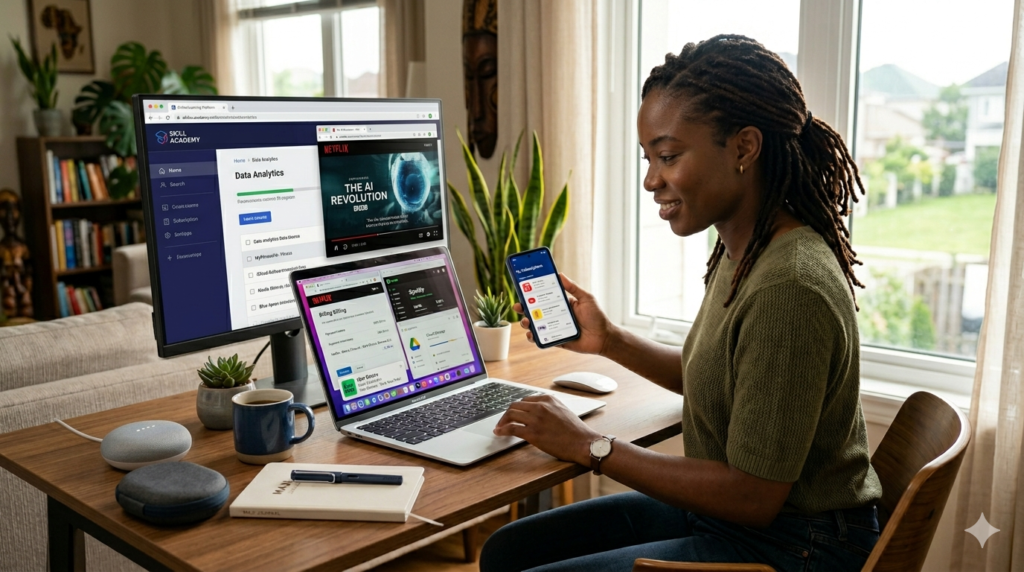
4. Software Moved From Ownership to Access
Software companies increasingly shifted from one-time purchases to subscription-based services.
Modern software subscriptions often include:
- Continuous updates
- Cloud storage
- Technical support
- Security improvements
- Cross-device access
This model benefits both businesses and users by providing ongoing service improvements and predictable revenue.
Software-as-a-Service (SaaS) has become a major component of the subscription economy.
5. Personalized Experiences Increase Value
Many subscription services use customer data to personalize experiences.
Personalization may include:
- Content recommendations
- Customized products
- Tailored learning paths
- Personalized promotions
- Curated selections
These customized experiences often increase customer satisfaction and retention.
Personalization strengthens the perceived value of subscription services.
6. Businesses Benefit From Predictable Revenue
Subscription models provide businesses with more stable and predictable income.
Recurring revenue helps companies:
- Forecast growth
- Plan investments
- Improve budgeting
- Reduce revenue fluctuations
Financial predictability often supports long-term business stability and expansion.
Subscription-based businesses frequently focus on customer retention as a key growth strategy.
7. Customer Relationships Become More Important
In subscription models, long-term customer relationships are essential.
Businesses must continually provide value to encourage renewals.
This often leads to greater emphasis on:
- Customer satisfaction
- Service quality
- User experience
- Ongoing engagement
Retaining subscribers is often more cost-effective than constantly acquiring new customers.
Strong relationships become a competitive advantage.
8. Subscription Services Expand Beyond Digital Products
The subscription economy is no longer limited to digital services.
Today, consumers can subscribe to:
- Meal delivery kits
- Fitness memberships
- Transportation services
- Beauty products
- Household essentials
- Health and wellness programs
Physical subscription services have expanded the reach of recurring business models into everyday life.
Consumers increasingly value access and convenience over ownership.

9. Subscription Fatigue Is Emerging
While subscriptions offer benefits, some consumers are experiencing subscription fatigue.
Common concerns include:
- Managing multiple subscriptions
- Rising monthly costs
- Underused services
- Automatic renewals
- Subscription overload
As the number of subscription options grows, consumers are becoming more selective about which services they maintain.
Businesses must demonstrate ongoing value to retain customers.
10. Technology Continues to Fuel Growth
Advancements in technology support the expansion of subscription-based services.
Modern technology enables:
- Automated billing
- Customer analytics
- Personalized recommendations
- Digital delivery systems
- Seamless account management
These innovations make subscription models easier to manage and scale.
Technology remains a key driver of subscription economy growth.
11. The Future of the Subscription Economy
The subscription economy is expected to continue evolving across industries.
Future trends may include:
- Greater personalization
- Flexible subscription plans
- AI-powered recommendations
- Hybrid ownership-access models
- Industry-specific subscription services
As consumer expectations continue changing, businesses will likely explore new ways to deliver recurring value.
The focus will increasingly be on convenience, customization, and customer experience.
Conclusion
The rise of the subscription economy has transformed how consumers access products and services. By offering convenience, flexibility, personalization, and continuous access, subscription-based models have become a major force across both digital and physical industries.
For businesses, subscriptions provide predictable revenue and stronger customer relationships. For consumers, they offer simplicity and ongoing value.
As technology advances and consumer preferences evolve, the subscription economy will likely continue shaping how people purchase, consume, and interact with everyday services.
References
- Harvard Business Review — The Growth of Subscription Business Models
Harvard Business Review - McKinsey & Company — Consumer Trends in Subscription Services
McKinsey & Company - Deloitte — The Future of Subscription-Based Businesses
Deloitte Insights - Forbes — Why the Subscription Economy Continues to Grow
Forbes - World Economic Forum — Digital Business Models and Consumer Behavior
World Economic Forum