

Introduction
Technology has transformed the way people store, access, and use information. Smartphones, search engines, cloud storage, digital calendars, and note-taking applications allow individuals to retrieve information almost instantly without relying solely on their own memory.
While these innovations have improved convenience and productivity, they have also changed how people remember, learn, and process information. Instead of memorizing large amounts of data, many people now focus on knowing where information can be found.
As digital tools become increasingly integrated into everyday life, understanding how technology affects human memory is becoming an important topic in psychology, education, and cognitive science.
1. Understanding Human Memory
Human memory is the brain’s ability to encode, store, and retrieve information.
Memory supports:
- Learning
- Decision-making
- Problem-solving
- Communication
- Personal experiences
Memory is not a single system. It includes various forms such as:
- Short-term memory
- Long-term memory
- Working memory
- Procedural memory
These systems work together to help people navigate daily life.
2. Technology Has Become an External Memory System
Modern technology allows people to store information outside their minds.
Examples include:
- Smartphones
- Digital calendars
- Cloud storage
- Contact lists
- Reminder applications
- Search engines
Instead of remembering every detail, individuals often rely on devices to store and retrieve information when needed.
This phenomenon is sometimes referred to as “digital memory” or “external memory support.”
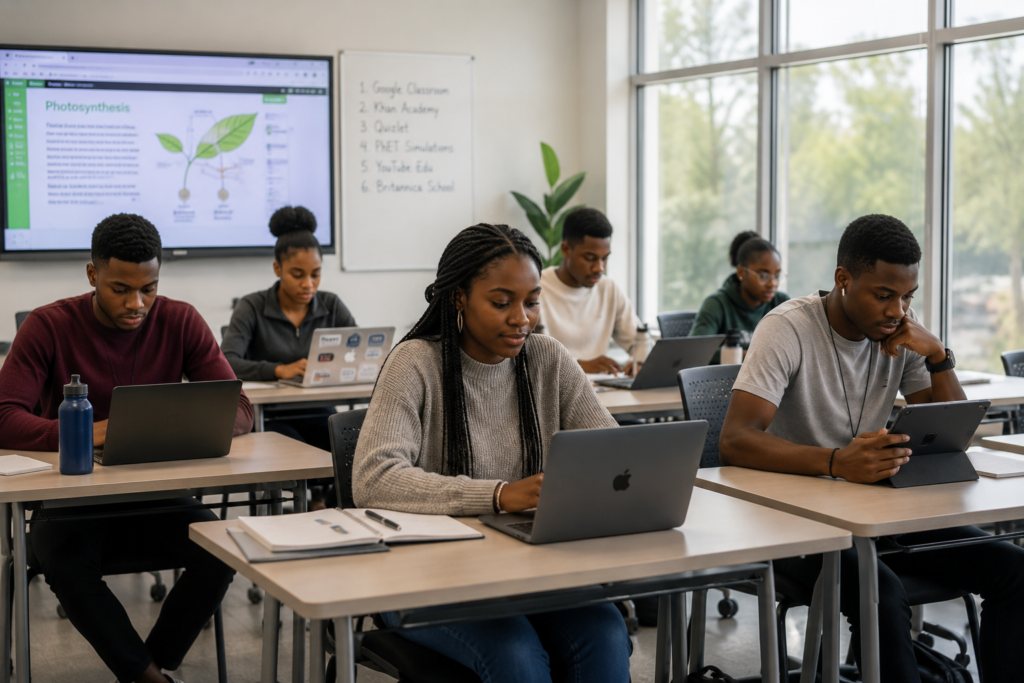
3. Search Engines Changed Information Recall
Before widespread internet access, people often memorized facts because information was less accessible.
Today, search engines allow users to find information within seconds.
As a result, many individuals focus less on remembering specific facts and more on remembering:
- Where information is located
- How to access it
- Which source provides it
Technology has shifted some cognitive effort from memorization to information retrieval.
4. Digital Tools Improve Organization
Technology can enhance memory by helping people organize information more effectively.
Digital tools assist with:
- Scheduling
- Task management
- Note-taking
- File storage
- Reminders
These systems reduce the likelihood of forgetting important tasks and appointments.
Technology often acts as a cognitive support system that supplements natural memory.
5. Information Overload Can Affect Retention
The digital age provides access to enormous amounts of information.
People are exposed to:
- News updates
- Social media content
- Videos
- Messages
- Notifications
Constant information exposure can make it difficult to focus deeply and retain information effectively.
The brain may struggle to process and store large volumes of rapidly changing content.
Attention and memory are closely connected.
6. Multitasking May Reduce Memory Performance
Technology often encourages multitasking.
People frequently switch between:
- Emails
- Social media
- Messaging apps
- Work tasks
- Entertainment content
Frequent task switching can reduce concentration and interfere with memory formation.
Research suggests that focused attention generally supports stronger learning and retention than constant digital interruptions.
7. Technology Supports Learning in New Ways
Digital tools also provide significant benefits for learning and memory.
Technology enables:
- Interactive learning experiences
- Educational videos
- Digital flashcards
- Online courses
- Personalized learning systems
These tools can improve understanding and reinforce memory through repeated exposure and engagement.
Technology can strengthen memory when used intentionally and effectively.

8. Visual and Multimedia Content Influences Recall
Digital platforms increasingly use images, videos, animations, and interactive content.
Visual information often:
- Captures attention quickly
- Enhances understanding
- Improves recall
- Simplifies complex concepts
Multimedia learning experiences can support memory by engaging multiple senses simultaneously.
The way information is presented affects how well it is remembered.
9. Digital Dependence Raises Concerns
Some experts express concerns that excessive dependence on technology may reduce certain memory-related skills.
Potential concerns include:
- Reduced memorization practice
- Increased distraction
- Lower attention spans
- Overreliance on digital reminders
While technology offers convenience, balancing external memory tools with active learning remains important.
Human memory still plays a vital role in critical thinking and problem-solving.
10. Memory Is Adapting Rather Than Disappearing
Technology is not necessarily weakening memory—it may be changing how memory functions.
People increasingly use mental resources for:
- Evaluating information
- Solving problems
- Making decisions
- Managing digital systems
Rather than storing every detail, the brain adapts to environments where information is readily available.
Human cognition evolves alongside technological changes.
11. The Future of Memory in a Digital World
Emerging technologies such as artificial intelligence, wearable devices, and augmented reality may further influence how people interact with information.
Future developments may include:
- Smarter digital assistants
- Enhanced memory support tools
- Personalized learning systems
- AI-driven information retrieval
These innovations could continue reshaping the relationship between human memory and technology.
The challenge will be balancing convenience with the development of strong cognitive skills.

Conclusion
Technology is changing human memory by altering how people store, access, and use information. Digital tools provide valuable support for organization, learning, and information retrieval, making everyday life more efficient and connected.
At the same time, information overload, multitasking, and dependence on digital systems present new challenges for attention and memory retention.
Rather than replacing human memory, technology is transforming how memory operates in the modern world. Understanding this evolving relationship can help individuals use technology more effectively while continuing to develop strong learning and critical-thinking skills.
References
- Pew Research Center — Technology, Information Access, and Human Behavior
Pew Research Center - Harvard Business Review — Technology and Cognitive Performance in the Digital Age
Harvard Business Review - American Psychological Association — Memory, Learning, and Digital Technology
American Psychological Association - MIT Technology Review — How Technology Is Reshaping Human Thinking
MIT Technology Review - World Economic Forum — The Future of Human Cognition and Technology
World Economic Forum