
Introduction
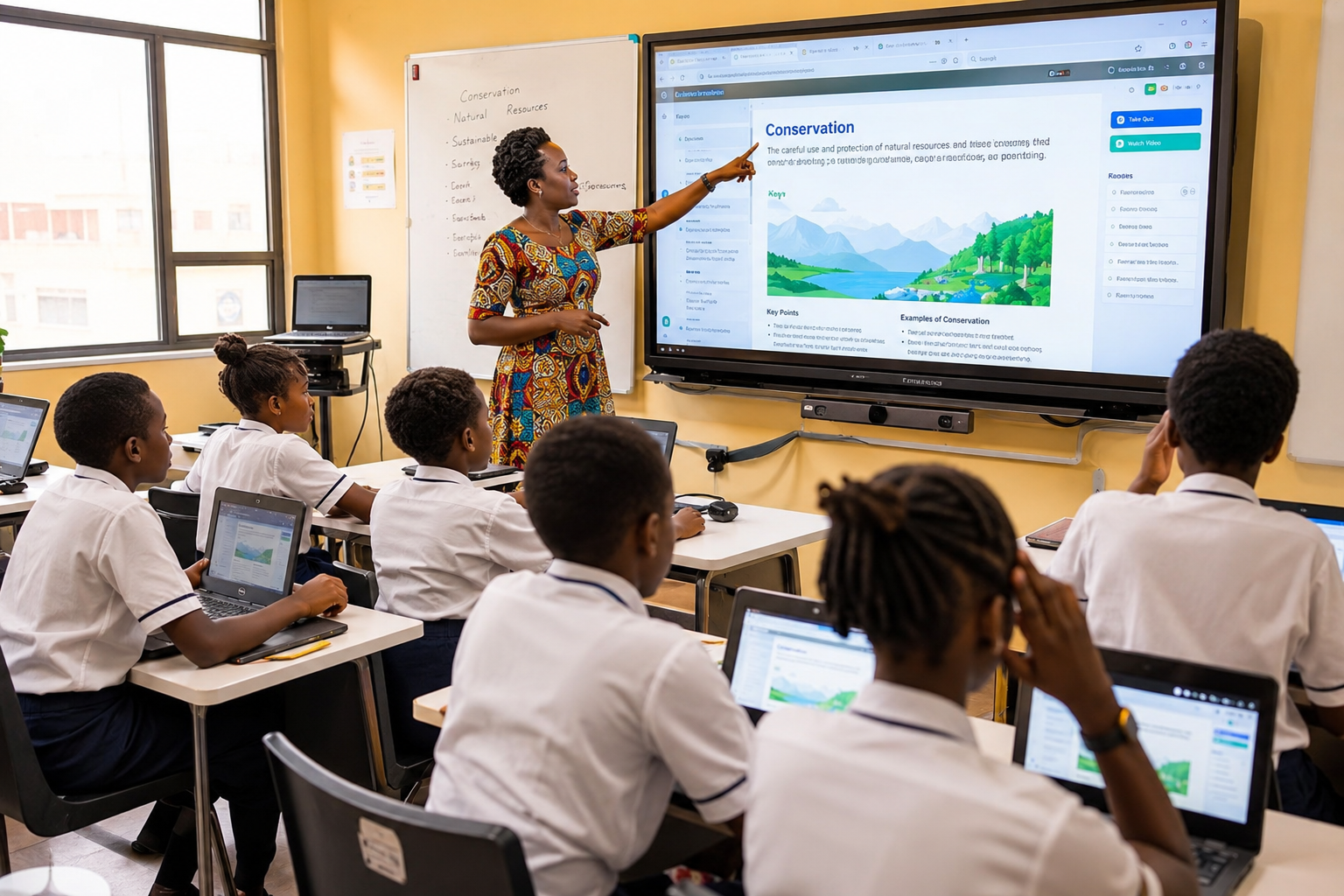
Technology has transformed nearly every aspect of modern life, and education is one of the areas experiencing the greatest change. Digital tools, online learning platforms, artificial intelligence, and interactive resources are reshaping how students learn, how teachers teach, and how educational institutions operate.
Traditional classrooms are no longer limited to textbooks, physical classrooms, and face-to-face instruction. Technology has expanded access to knowledge, created new learning opportunities, and enabled more personalized educational experiences.
As digital transformation continues, technology has become an essential part of modern education, helping learners develop the skills needed for an increasingly connected world.
1. Expanding Access to Education
One of the biggest benefits of technology in education is improved access to learning resources.
Digital platforms allow students to access:
- Online courses
- Educational videos
- Digital libraries
- Research materials
- Virtual classrooms
- Learning applications
Students can now learn from anywhere with an internet connection, removing many geographical and physical barriers.
Technology is making education more accessible to more people.

2. Supporting Online and Remote Learning
The growth of online learning has changed how education is delivered.
Virtual learning platforms allow students to:
- Attend classes remotely
- Access recorded lessons
- Submit assignments digitally
- Communicate with instructors online
- Learn at flexible times
Remote learning provides opportunities for students who may not be able to attend traditional classrooms.
Flexibility has become a major advantage of digital education.
3. Personalizing the Learning Experience
Technology enables more personalized approaches to education.
Digital learning systems can help identify:
- Student strengths
- Learning challenges
- Progress levels
- Areas requiring improvement
Artificial intelligence and adaptive learning platforms can provide customized recommendations based on individual needs.
Personalized learning helps students learn at their own pace.
4. Improving Student Engagement
Technology has introduced more interactive ways of learning.
Students can engage through:
- Educational games
- Simulations
- Virtual reality experiences
- Interactive quizzes
- Multimedia lessons
These tools make learning more engaging and encourage active participation.
Interactive education can improve understanding and retention.
5. Enhancing Teaching Methods
Technology also supports teachers by providing new tools for instruction.
Educators can use technology to:
- Create digital presentations
- Analyze student performance
- Access teaching resources
- Collaborate with other educators
- Provide faster feedback
Technology allows teachers to focus more on guiding students and creating meaningful learning experiences.
Digital tools enhance teaching effectiveness.
6. Improving Collaboration and Communication
Technology makes collaboration easier among students, teachers, and institutions.
Students can work together through:
- Online discussion platforms
- Shared documents
- Video conferencing tools
- Digital project spaces
These tools encourage teamwork and communication skills.
Collaboration prepares students for modern workplaces.

7. Artificial Intelligence in Education
Artificial intelligence is becoming increasingly important in education.
AI can support learning through:
- Intelligent tutoring systems
- Automated feedback
- Personalized recommendations
- Language learning tools
- Educational assistants
AI helps educators and students make better use of learning data.
Responsible use of AI can improve educational outcomes.
8. Developing Digital Skills
Modern workplaces require strong digital abilities.
Technology in education helps students develop skills such as:
- Digital literacy
- Online communication
- Data analysis
- Problem-solving
- Technology adaptation
These skills prepare learners for future careers.
Education must evolve alongside technological change.
9. Supporting Lifelong Learning
Technology has made continuous learning easier.
Professionals and individuals can develop skills through:
- Online certifications
- Digital workshops
- Educational platforms
- Virtual training programs
- Self-paced courses
Learning is no longer limited to formal education periods.
Technology supports lifelong personal and professional development.
10. Challenges of Technology in Education
Despite its benefits, technology in education also presents challenges.
These include:
- Digital inequality
- Limited internet access
- Technology costs
- Privacy concerns
- Teacher training requirements
- Distractions from digital devices
Addressing these challenges is important to ensure technology benefits all learners.
Equal access remains essential for inclusive education.

11. The Future of Technology in Education
The future of education will continue to be shaped by technological innovation.
Emerging trends include:
- AI-powered learning assistants
- Virtual and augmented reality classrooms
- Advanced learning analytics
- Global digital classrooms
- More personalized educational experiences
As technology develops, education will become increasingly flexible, interactive, and accessible.
The future classroom will combine human teaching with digital innovation.
Conclusion
Technology has become a powerful force transforming modern education. By expanding access, improving engagement, supporting personalized learning, and developing digital skills, technology is helping create new opportunities for students and educators around the world.
While challenges such as digital inequality and responsible technology use must be addressed, the benefits of educational technology continue to grow.
The most successful approach will be one that combines technological innovation with effective teaching, human connection, and a commitment to improving learning outcomes.
Ultimately, technology is not replacing education—it is enhancing the ways people learn, teach, and share knowledge in the modern world.
References
- UNESCO — Technology in Education and Digital Learning Resources
UNESCO - World Economic Forum — The Future of Education and Digital Transformation
World Economic Forum - OECD — Digital Education and Learning Research
OECD - EdTech Hub — Research on Technology and Education Systems
EdTech Hub - Microsoft Education — Digital Learning and Classroom Technology Solutions
Microsoft Education