
How Augmented Reality Is Transforming Product Marketing
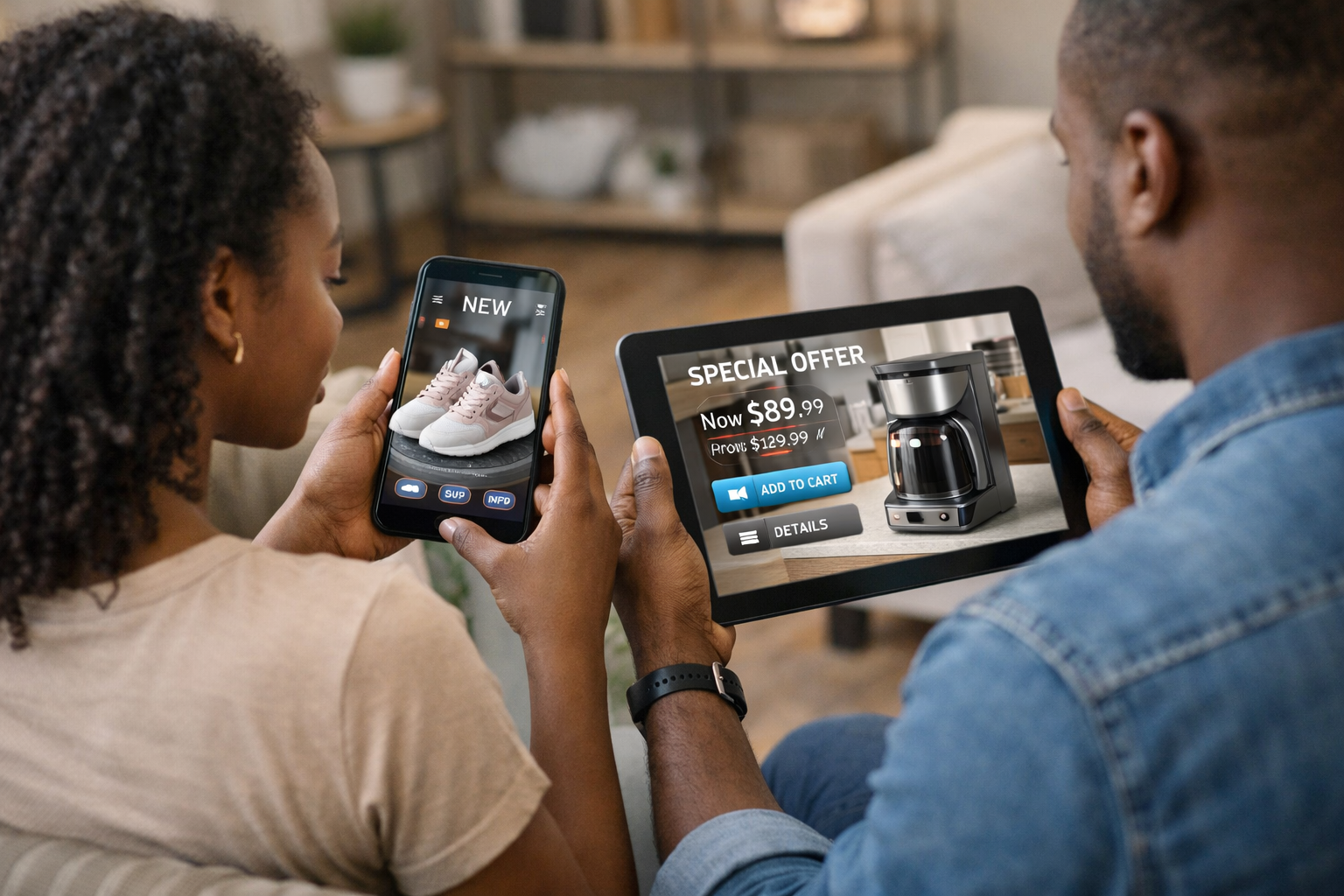
As consumers become more digitally savvy, traditional product marketing is no longer enough to capture attention or drive confidence. People want to see, experience, and interact with products before buying. This is where Augmented Reality (AR) is changing the game.
By blending digital elements with the real world, AR is redefining how brands showcase products, engage customers, and influence buying decisions.
1. What Is Augmented Reality in Marketing?
Augmented Reality overlays digital content—such as images, animations, or information—onto the real-world environment through smartphones, tablets, or AR glasses.
In product marketing, AR allows customers to:
- Visualize products in real-world settings
- Interact with products virtually
- Experience features before purchase
This bridges the gap between online browsing and in-store experience.

2. Why AR Is Gaining Momentum Now
Several factors have accelerated AR adoption:
- Widespread smartphone usage
- Improved camera and processing capabilities
- Increased comfort with interactive digital experiences
- Growth of e-commerce and remote shopping
AR solves one of the biggest online shopping challenges: lack of physical interaction.
3. Enhancing Product Visualization
One of AR’s biggest strengths is visualization.
With AR, customers can:
- See how furniture fits in their home
- Try on makeup, glasses, or clothing virtually
- Explore product details in 3D
Better visualization reduces uncertainty and increases buyer confidence.
4. Creating Interactive and Memorable Experiences
AR transforms passive viewing into active engagement.
Interactive experiences:
- Increase time spent with a product
- Improve brand recall
- Make marketing feel entertaining rather than intrusive
Memorable experiences lead to stronger emotional connections with brands.
5. Boosting Conversion Rates and Reducing Returns
When customers understand products better, they make better decisions.
AR helps by:
- Setting accurate expectations
- Reducing guesswork
- Lowering product return rates
This benefits both customers and businesses.
6. AR in Social Media and Mobile Marketing
Social platforms have become major AR channels.
Brands use:
- AR filters and lenses
- Interactive product try-ons
- Gamified brand experiences
Social AR encourages sharing, organic reach, and peer-driven discovery.
7. Personalization Through AR
AR enables personalized marketing at scale.
Examples include:
- Customized product colors or styles
- Location-based AR experiences
- Personalized recommendations within AR environments
Personalized experiences increase relevance and engagement.
8. AR Builds Trust Through Transparency
Seeing is believing.
AR allows brands to:
- Show products realistically
- Demonstrate functionality clearly
- Reduce misleading imagery
Transparency builds trust, which is critical in competitive markets.

9. Challenges and Considerations
Despite its benefits, AR adoption requires planning.
Challenges include:
- Development costs
- Technical compatibility across devices
- User education and adoption
- Ensuring performance and usability
Successful AR marketing prioritizes simplicity and value over novelty.
10. The Future of AR in Product Marketing
AR is moving from innovation to expectation.
Future developments may include:
- AR-powered shopping assistants
- Deeper integration with AI
- Wearable AR experiences
- Seamless in-store and online AR journeys
As technology evolves, AR will become a standard part of product marketing strategies.
Conclusion
Augmented Reality is transforming product marketing by making experiences more immersive, informative, and engaging. By helping customers visualize products, interact confidently, and make informed decisions, AR bridges the gap between physical and digital shopping. Brands that adopt AR thoughtfully will stand out, build trust, and drive stronger customer relationships in the years ahead.
References (External Links)
- Harvard Business Review – How AR Is Changing Customer Experience
https://hbr.org - Think with Google – The Impact of AR on Shopping Behavior
https://www.thinkwithgoogle.com - Forbes – How Brands Are Using Augmented Reality in Marketing
https://www.forbes.com - Snap Inc. – AR and Consumer Engagement Insights
https://forbusiness.snapchat.com - PwC – Seeing Is Believing: How AR and VR Are Transforming Business
https://www.pwc.com