Introduction
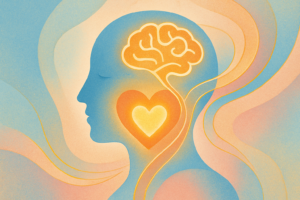
The connection between creativity and mental health has fascinated psychologists, educators, and artists for decades. From painting and writing to music, design, and everyday problem-solving, creative expression plays a major role in how people process emotions and make sense of their experiences.
Modern research shows that the relationship is complex. Creativity can support emotional well-being, stress relief, and resilience, while mental health challenges can sometimes shape how people think, feel, and express themselves. Rather than viewing creativity and mental health as opposites, it is more accurate to see them as deeply interconnected.
1. Creativity as Emotional Expression
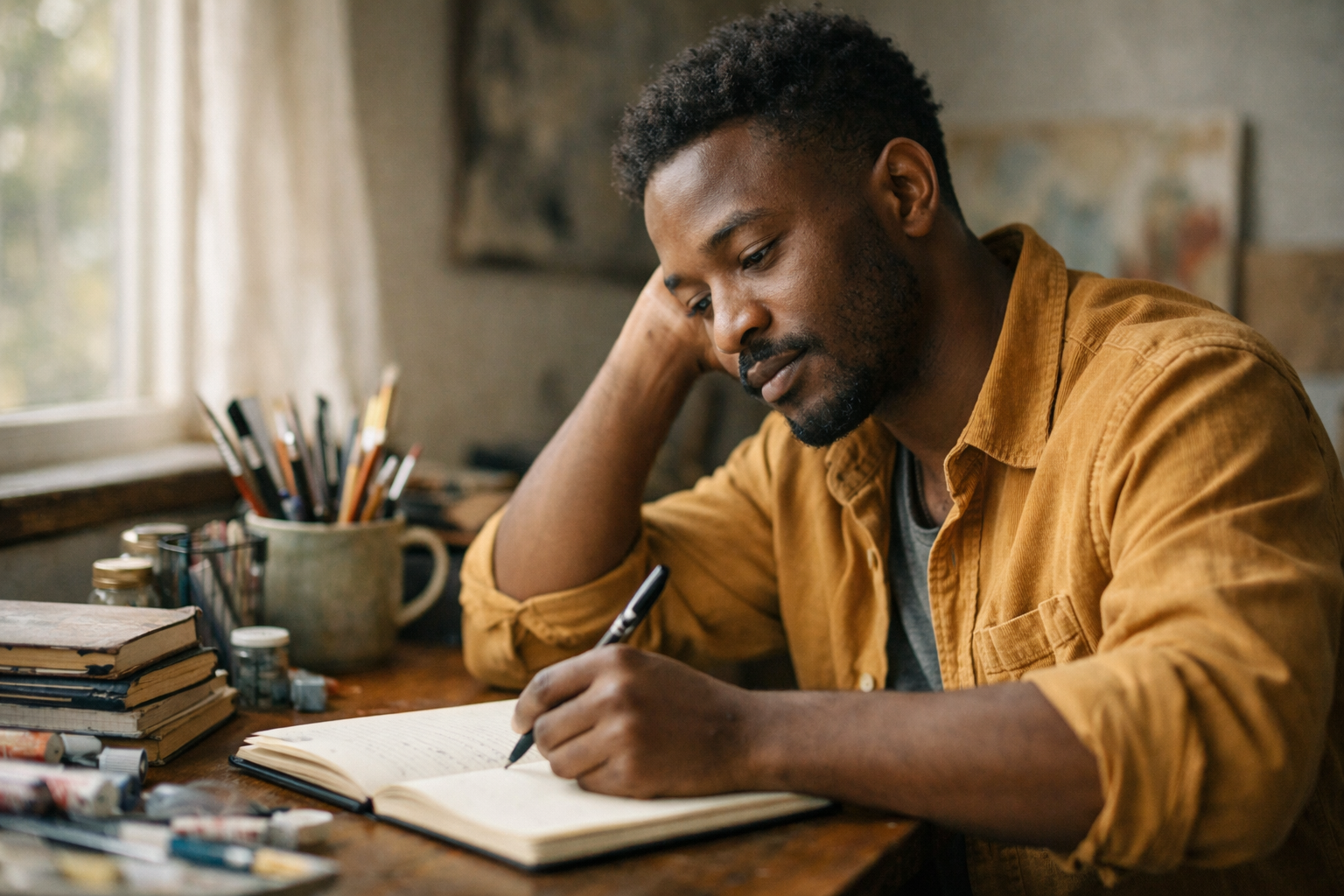
One of the most important benefits of creativity is its ability to help people express thoughts and emotions that may be difficult to communicate directly.
Creative outlets such as:
- Journaling
- Painting
- Music
- Photography
- Storytelling
allow individuals to process complex feelings in a safe and constructive way.
This form of expression can reduce emotional pressure and support self-awareness. Studies on creative expression consistently show benefits for mood regulation and emotional resilience.
2. Stress Reduction and Mental Well-Being
Engaging in creative activities often promotes relaxation and mindfulness. When people become deeply involved in a creative task, they may enter a “flow state,” where attention is fully focused and stress temporarily fades.
Benefits include:
- Lower stress levels
- Reduced anxiety
- Improved mood
- Better emotional balance
Creative hobbies such as drawing, writing, crafts, and music can therefore act as practical tools for everyday mental wellness.
3. Creativity Improves Cognitive Flexibility
Creativity strengthens the mind’s ability to see multiple perspectives and explore alternative solutions. This mental flexibility is valuable for coping with life challenges.
People who regularly engage in creative thinking often develop stronger:
- Problem-solving skills
- Adaptability
- Perspective-taking
- Emotional reframing
These abilities support resilience and can improve how individuals respond to stress and uncertainty.
4. The Myth of “Suffering for Art”
A long-standing cultural myth suggests that mental suffering is required for creativity. While some studies have explored links between certain psychiatric traits and divergent thinking, modern evidence shows the relationship is not simple or universal.
In reality:
- Poor mental health can reduce energy and focus
- Severe distress can interrupt creative work
- Healthy routines often support better creative output
Creativity thrives best when people have enough psychological safety and support to explore ideas freely.
5. Creativity as a Healing Practice
Creative activities are increasingly used in wellness and therapeutic settings.
Examples include:
- Art therapy
- Music therapy
- Expressive writing
- Drama and movement therapy
These approaches help individuals process emotions, improve self-esteem, and strengthen coping mechanisms.
Research increasingly supports creative practice as a meaningful contributor to mental health support and recovery.
6. Social Connection Through Creativity
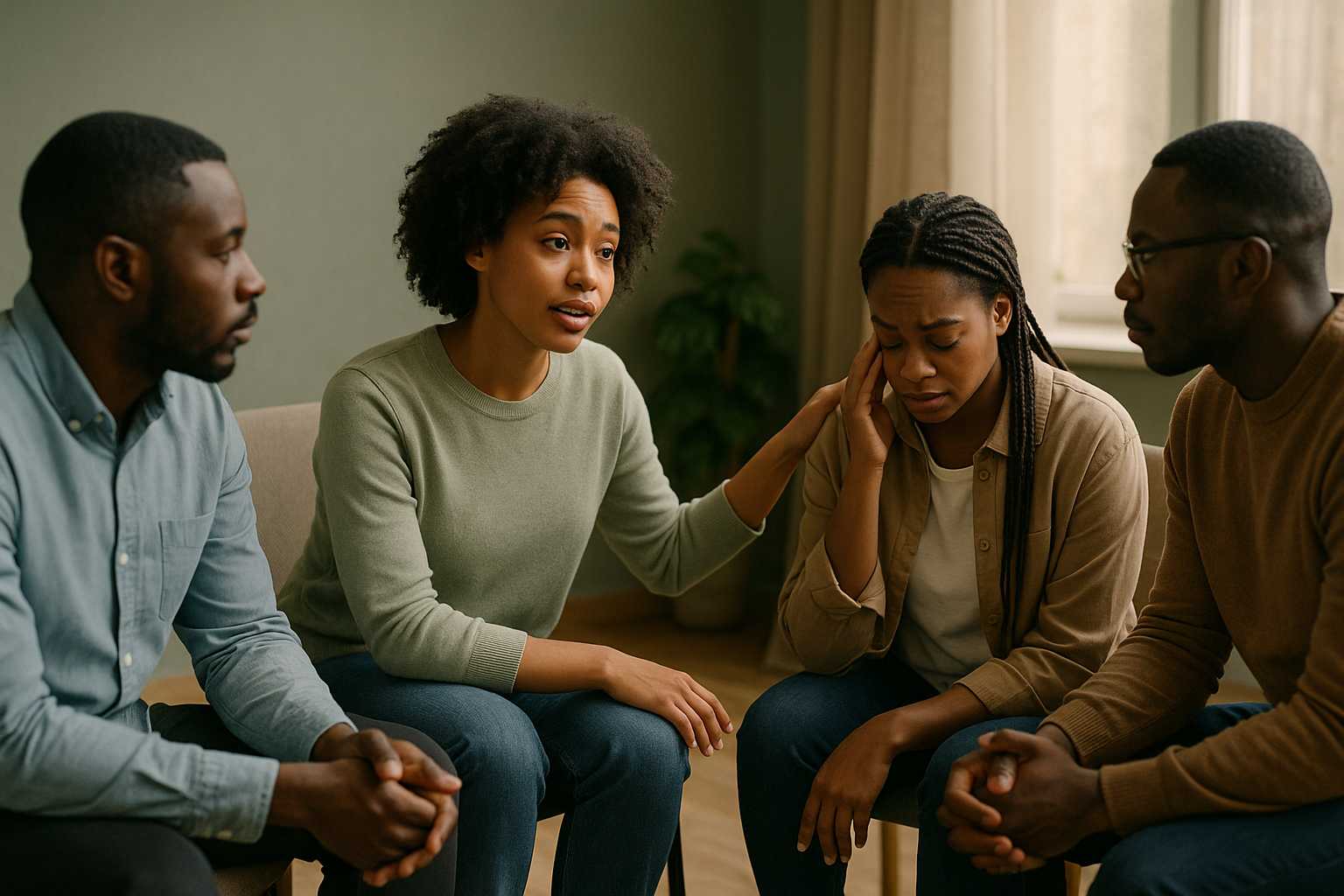
Creativity can also improve mental health by strengthening social bonds.
Collaborative creative spaces such as:
- Writing communities
- Music groups
- Craft circles
- Theatre groups
- Digital creator communities
create belonging, shared identity, and emotional support.
Social connection is a major protective factor for mental well-being, and creative communities often provide both expression and connection.
7. Everyday Creativity Matters
Creativity is not limited to professional artists. Everyday acts of creativity—trying a new recipe, decorating a room, journaling, or solving a problem in a new way—can all contribute positively to mental wellness.
Small creative habits encourage:
- Mindfulness
- Confidence
- Joy
- A sense of accomplishment
This makes creativity a practical wellness tool for anyone.
Conclusion
The relationship between creativity and mental health is best understood as a two-way connection. Creativity supports emotional expression, reduces stress, strengthens resilience, and can even contribute to healing and recovery.
At the same time, mental and emotional experiences often shape how creativity is expressed.
Rather than romanticizing suffering, the healthier perspective is that creativity can be a powerful resource for well-being, self-discovery, and human connection.
References
- Frontiers in Psychiatry. An Updated Evaluation of the Dichotomous Link Between Creativity and Mental Health
https://pmc.ncbi.nlm.nih.gov/articles/PMC8802834/ - Journal of Creativity. Creative Expression and Mental Health
https://www.sciencedirect.com/science/article/pii/S2713374524000098 - BMC Public Health. The Impact of Performing Arts on Mental Health, Social Connection, and Creativity
https://link.springer.com/article/10.1186/s12889-025-22552-3 - Frontiers in Psychology. Mental Health and Creativity in University Students
https://www.frontiersin.org/journals/psychology/articles/10.3389/fpsyg.2025.1647823/abstract - PubMed. Relationship Between Creativity and Schizophrenia
https://pubmed.ncbi.nlm.nih.gov/40744084/