

Introduction
Big life changes rarely happen because of one dramatic decision. More often, they are the result of small actions repeated consistently over time. The habits people practice every day quietly shape their health, mindset, productivity, and long-term success.
Behavioral science shows that repeated micro-actions gradually become automatic, reducing mental effort and making progress easier to sustain. Even tiny routines can compound into meaningful transformation when practiced consistently.
This is the real power of small daily habits: they turn progress into a system instead of a struggle.
1. Small Habits Create Big Results
Tiny actions may seem insignificant in the moment, but their cumulative effect is powerful.
Examples include:
- Reading 5 pages daily
- Drinking water first thing in the morning
- Writing one paragraph every day
- Saving a small amount consistently
- Taking a 10-minute walk
Over weeks and months, these actions build visible results through consistency rather than intensity. This “compound effect” is why small habits often outperform short bursts of motivation.

2. Habits Reduce Decision Fatigue
One major advantage of habits is that they reduce the need for constant decision-making.
Once a behavior becomes automatic, the brain spends less energy deciding whether to do it.
This helps reduce:
- Procrastination
- Mental resistance
- Overthinking
- Decision fatigue
Habits free up mental energy for more important and creative tasks.
3. Momentum Builds Motivation
Many people think motivation comes first, but in reality, action often creates motivation.
Completing even a small task creates a sense of progress, which boosts confidence and encourages the next action.
This creates momentum through:
- Small wins
- Visible progress
- Reinforced confidence
- Reduced psychological resistance
Progress itself becomes energizing.
4. Habits Shape Identity
Daily habits influence how people see themselves.
For example:
- Reading daily reinforces the identity of a learner
- Exercising daily builds the identity of a healthy person
- Writing daily strengthens the identity of a creator
Repeated behavior gradually becomes self-belief.
Over time, people begin to think:
“I am someone who does this.”
This identity shift makes habits stronger and more sustainable.
5. Small Habits Lower the Barrier to Action
Large goals often feel overwhelming, which creates avoidance.
Small habits solve this by making the starting point easy.
Examples:
- One push-up
- One paragraph
- Two minutes of meditation
- One page of reading
When the habit feels too easy to fail, consistency becomes more realistic.
The easier the action, the more likely it is to stick.
6. Habits Strengthen Discipline
Discipline is not always about force—it is often about repetition.
Small daily habits strengthen:
- Self-trust
- Reliability
- Consistency
- Emotional resilience
Every completed habit becomes proof that progress is possible.
Over time, this builds discipline naturally rather than through pressure alone.
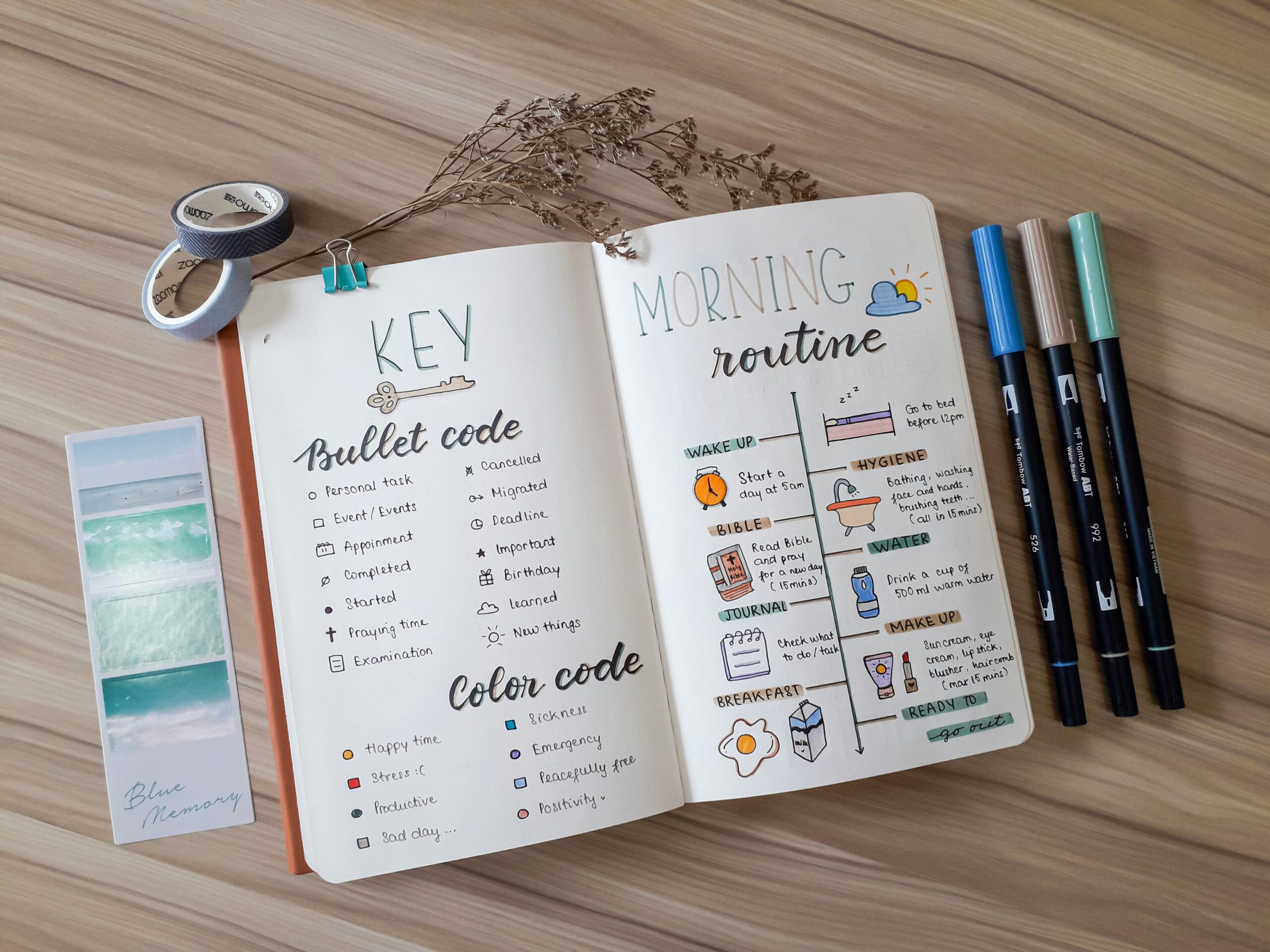
7. Keystone Habits Create Ripple Effects
Some small habits improve multiple areas of life at once.
These are known as keystone habits.
Examples include:
- Making the bed
- Morning journaling
- Daily exercise
- Consistent sleep times
One positive routine can trigger improvements in productivity, mood, and decision-making throughout the day.
8. Why Consistency Beats Perfection
The true power of small habits lies in consistency, not intensity.
Missing one day is rarely the problem. The real risk is giving up because perfection feels impossible.
Sustainable progress comes from:
- Showing up regularly
- Keeping habits simple
- Recovering quickly after missed days
- Focusing on systems over emotion
Small actions repeated imperfectly still create transformation.
Conclusion
The power of small daily habits lies in their ability to turn meaningful change into something manageable and repeatable. Tiny routines reduce friction, build momentum, shape identity, and compound into long-term growth.
Success is rarely built in one moment.
It is built in the quiet repetition of small choices.
In the long run, the little things people do every day often matter far more than the big things they do occasionally.
References
- NIH / PMC. Behavior Change and Habit Science
https://pmc.ncbi.nlm.nih.gov/articles/PMC7946166/ - Tava Health. The Psychology of Forming Healthy Habits That Stick
https://www.tavahealth.com/resources/forming-healthy-habits - Real Simple. Keystone Habits Help New Routines Stick
https://www.realsimple.com/what-are-keystone-habits-11925758 - Stanford Behavior Design (BJ Fogg). Tiny Habits Framework
https://tinyhabits.com/ - Frontiers / Habit Modeling Research. Theory-Based Habit Modeling for Behavior Prediction
https://arxiv.org/abs/2101.01637